Driving frustration: The most stressful cities for motorists

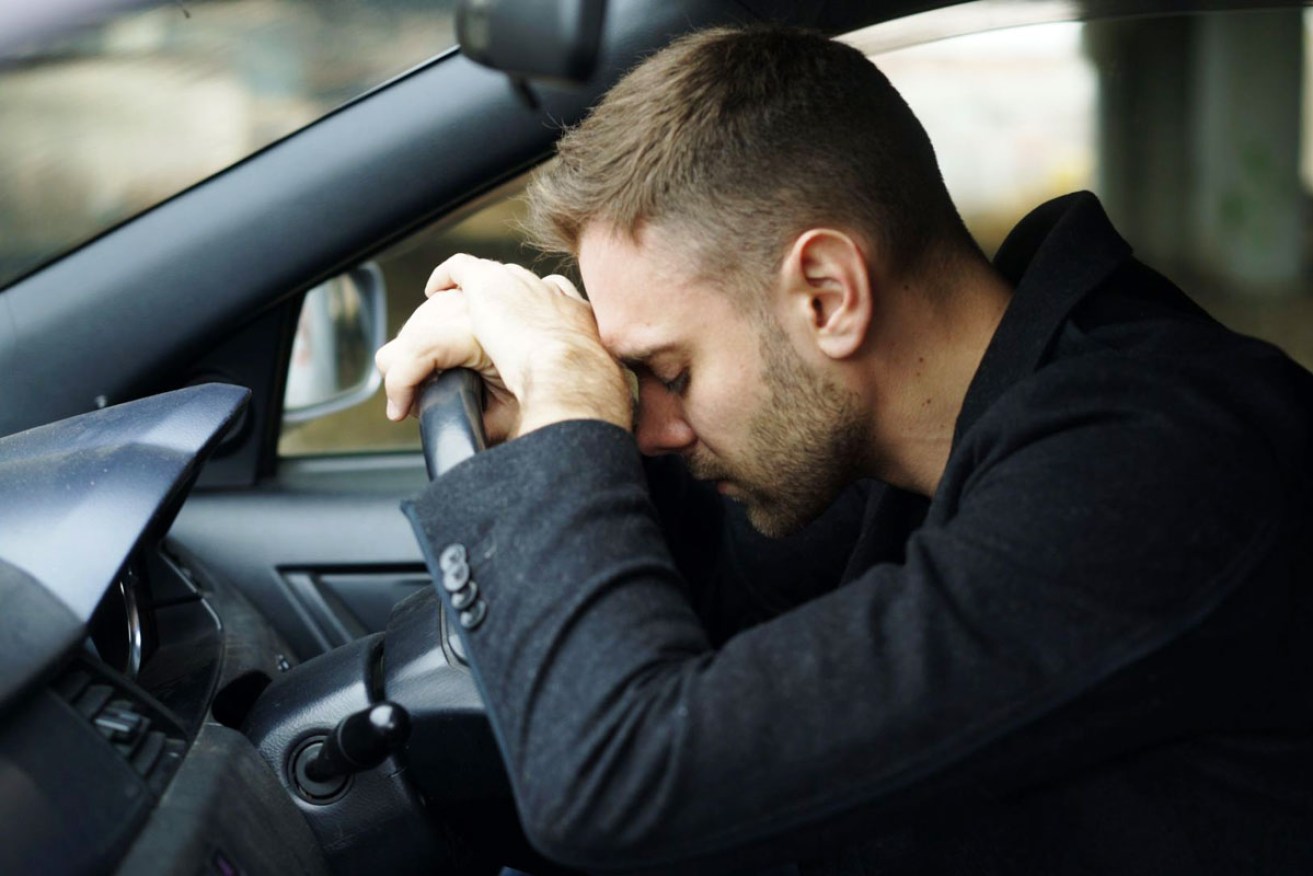
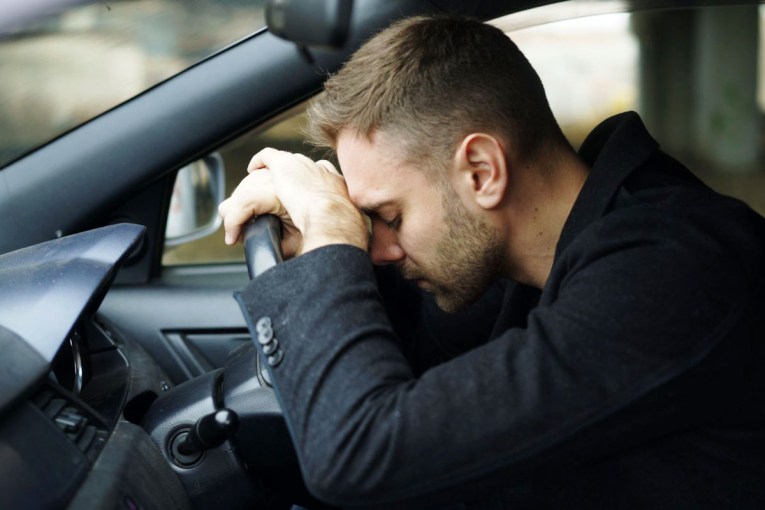
Stressed drivers are often facing multiple pressures at once. Photo: Pexels
Soaring fuel prices aren’t the only issue that cause stress for drivers. Getting stuck in a jam while running late for work, lack of parking options, roadworks and myriad other traffic annoyances can also leave city motorists tearing their hair out.
But when it comes to the most stressful cities for driving in Australia – and indeed the world – a new survey has delivered some unexpected results.
While Sydney was ranked No.1 in the Compare the Market research, Adelaide – which has a population of just 1.49 million compared with the Harbour City’s 5.64 million – came in second, ahead of bigger cities such as Melbourne, Brisbane and Perth.
Comparison experts assigned rankings from one to 10 based on a number of factors that can impact on driving stress levels, including congestion, average commute time, parking difficulty (taking in both the availability and cost of parking), average speed, number of adverse weather days, and “traffic inefficiency” (based around inefficient stop-start travel patterns).
“Sydney takes the cake as the most stressful city in Australia to drive in,” the study concluded.
“With a high driver stress index score of 56.54 [out of 100], a low average speed of 25km/h, 43.52 minutes as the average [one-way] commute time… and a high parking difficulty score of 32.05, it leads the nation in driving frustration.”
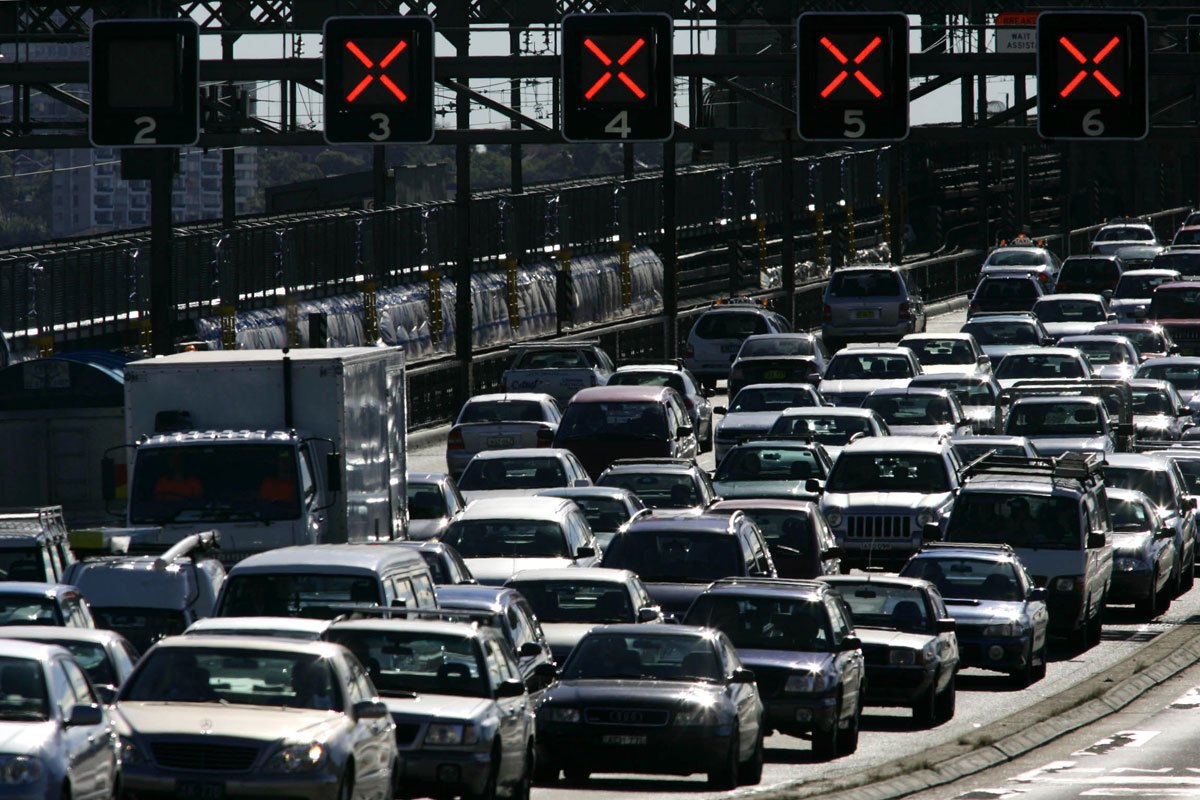
Sydney leads the nation in driving frustration. Photo: AAP
Adelaide was awarded a total stressful driving score of 51.15, which was blamed largely on traffic inefficiency and a congestion level of 55.10 per cent – more than 10 per cent higher than in Sydney. (Locals might also point to burst water mains and roadworks as aggravating factors.)
Next in the top-10 list of most stressful Australian cities to drive in was Melbourne, where parking was comparatively easier but congestion, average speed and commute time (just over 42 minutes) were high.
It was followed by Brisbane, the Gold Coast, Hobart, Newcastle, Perth, Wollongong and Canberra.
With an average commute time of just over 20 minutes, the Northern Territory capital of Darwin was found to be the least stressful city in which to drive – although that may depend on whether your car has good air-conditioning.
“Our research into the most stressful cities to drive in shows that there’s rarely one single cause,” said Adrian Taylor, Compare the Market’s chief executive of general insurance.
“Instead, drivers are often facing several pressures at the same time.
“Planning ahead can help to reduce some of that driving stress, whether that means allowing extra time for your journey, checking traffic and weather conditions before setting off or researching parking options in advance.”
Global road trips
In total, the Compare the Market analysis looked at 79 cities across Australia, the US and Europe, with Sydney also coming in sixth spot on the global list of most stressful places to drive.
While Los Angeles, London, New York and San Francisco all made the top 10, Dublin was found to be the most stressful city of all.
The Irish capital is known for its bustling centre, with authorities moving in recent years to ban private cars and commercial vehicles from key streets in a bid to reduce traffic travelling through the city.
The new research awarded Dublin an overall driver stress score of 68.38, noting that it had 72.9 per cent congestion and an average traffic speed of around just 17km/h.
Ditching your car might seem like the most obvious way to reduce driving stress. However, a research project by urban planners at the University of Queensland earlier this year found that asking drivers to go without their vehicles can be stressful in itself.
The project asked 10 Brisbane car owners to follow their regular schedules using only public transport, cycling, walking and micro-mobility devices like scooters for three weeks.
Associate Professor Dorina Pojani said that while the participants were enthusiastic at the outset, by the end of the experiment it had become “disorientating and fraught” – partly due to major gaps in public transport services outside the inner city.
“The overwhelming feedback was that it’s just too hard to live without a car in Brisbane,” Pojani said.