How our new car checklist has changed as cost-of-living pressures bite

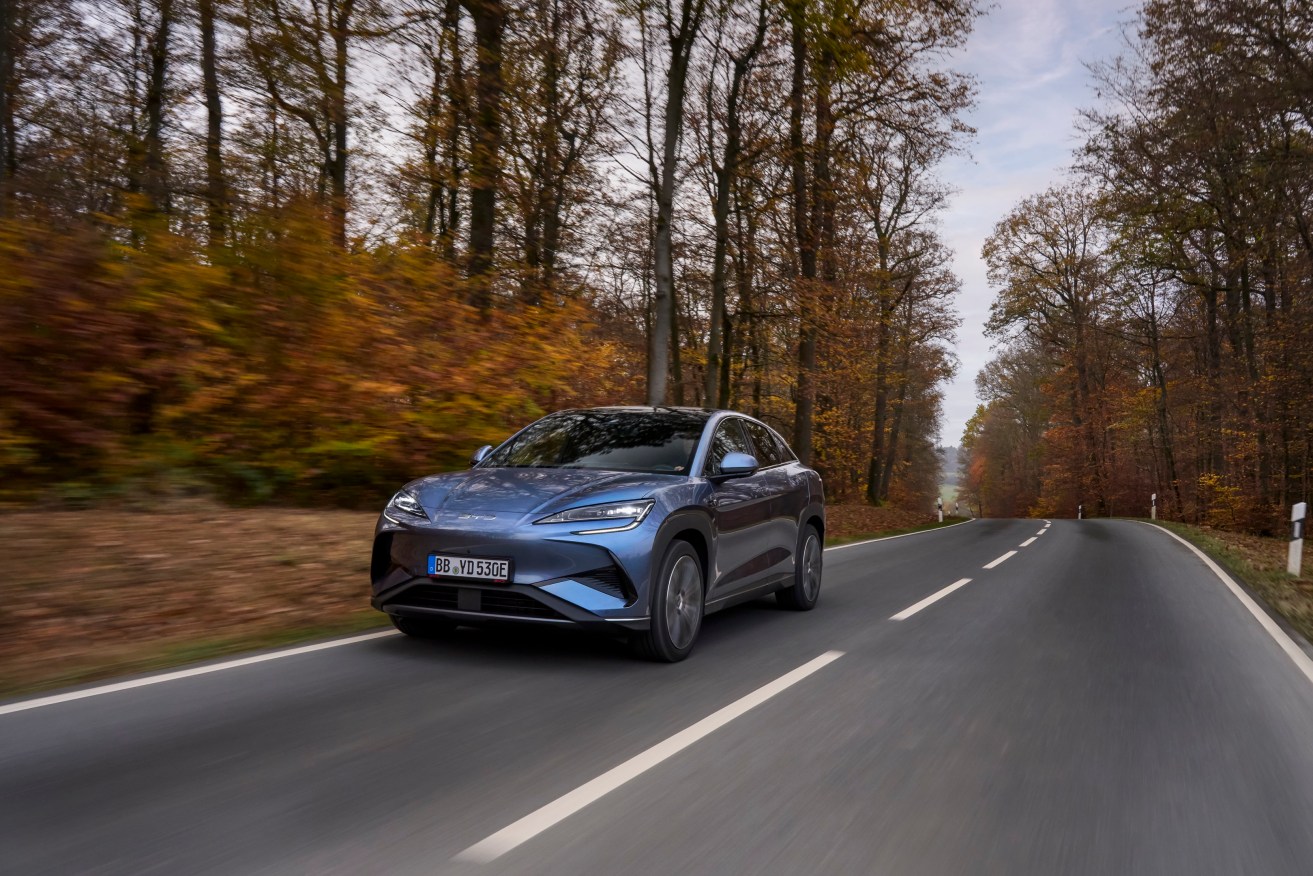
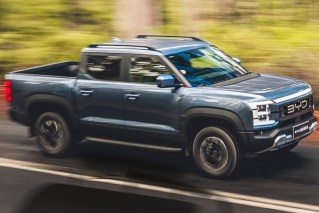
The BYD Sealion 7 has captured the interest of Australian car buyers. BYD
Cost pressures are reshaping what Australians value in a new car, with buyers increasingly prioritising purchase price, fuel economy, technology and safety when weighing up their next purchase.
New data from RACV shows affordable electric vehicles from BYD and MG have dominated searches on its Car Match platform, as motorists grapple with higher fuel costs amid household budget pressures.
“Cost of living and a desire to find cheaper ways to stay on the road is top of mind for Australians, and we’re seeing how that is changing our local car market and consumer preferences,” RACV Head of Policy James Williams said.
The BYD Atto 1, starting from just under $28,000 drive-away, was the most searched vehicle, followed by the BYD Atto 2, BYD Sealion 7, BYD Dolphin and MG4.
“Manufacturers such as BYD and MG have become major players in the Australian market as motorists increasingly prioritise value for money, technology and safety features, with ongoing pressure at the bowser pushing more everyday Victorians to electric,” Williams said.
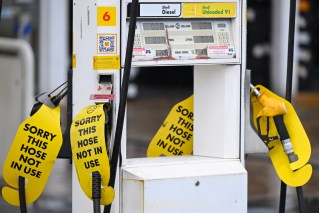
RACV said the trend accelerated since the conflict in the Middle East started in February, as motorists faced ongoing uncertainty around fuel prices, with previous data showing EV searches jumped 461 per cent in March compared with February.
National data suggests the increased search interest in electrified vehicles is also converting to sales.
According to the Australian Automobile Association’s latest EV Index, almost half (49.16 per cent) of all new light vehicles sold were either battery electric, plug-in hybrid or hybrid models in the June quarter.
Battery electric vehicle sales more than doubled between the June and March quarters, rising from 34,435 vehicles to 69,414, while petrol and diesel-only vehicles recorded their lowest market share since the index began in 2022.
The shift is also eroding the dominance of traditional manufacturers.
According to the June 2026 VFACTS report, many established brands recorded declining sales in the first half of the year, while several newer Chinese manufacturers posted triple-digit sales growth. Many offer lower-priced vehicles with technology and safety equipment that were once reserved for premium cars.
The changing market is also reflected in where Australia’s new vehicles are coming from. For the first time, China (175,151) overtook Japan (144,430) as Australia’s most prolific car supplier.
Despite the rapid rise of newer players in the market, Toyota remains by far the biggest-selling car brand in Australia, claiming 15.7 per cent of sales in the first half of 2026. While it is down from 19.9 per cent in 2025, it was well ahead of BYD (8.6 per cent) and Ford (7 per cent).
The VFACTS report showed SUVs remain the country’s most popular vehicle type, suggesting buyers still want space and versatility – but are increasingly seeking better value and lower running costs.
As EV popularity continues to grow in Australia, Williams said motorists should do their homework before making the switch.
“Before purchasing an EV, we encourage motorists to look beyond the cost and ensure their vehicle is a long-term lifestyle match,” he said.
“Consider how and where your EV will charge, differences in driving style and driving range, and safety features.”
Want to see more stories from The New Daily in your Google search results?
- Click here to set The New Daily as a preferred source.
- Tick the box next to "The New Daily". That's it.
RBA’s inflation warning stokes rate rise fears