Electric U-turn: ‘Everyone knows someone with an EV’
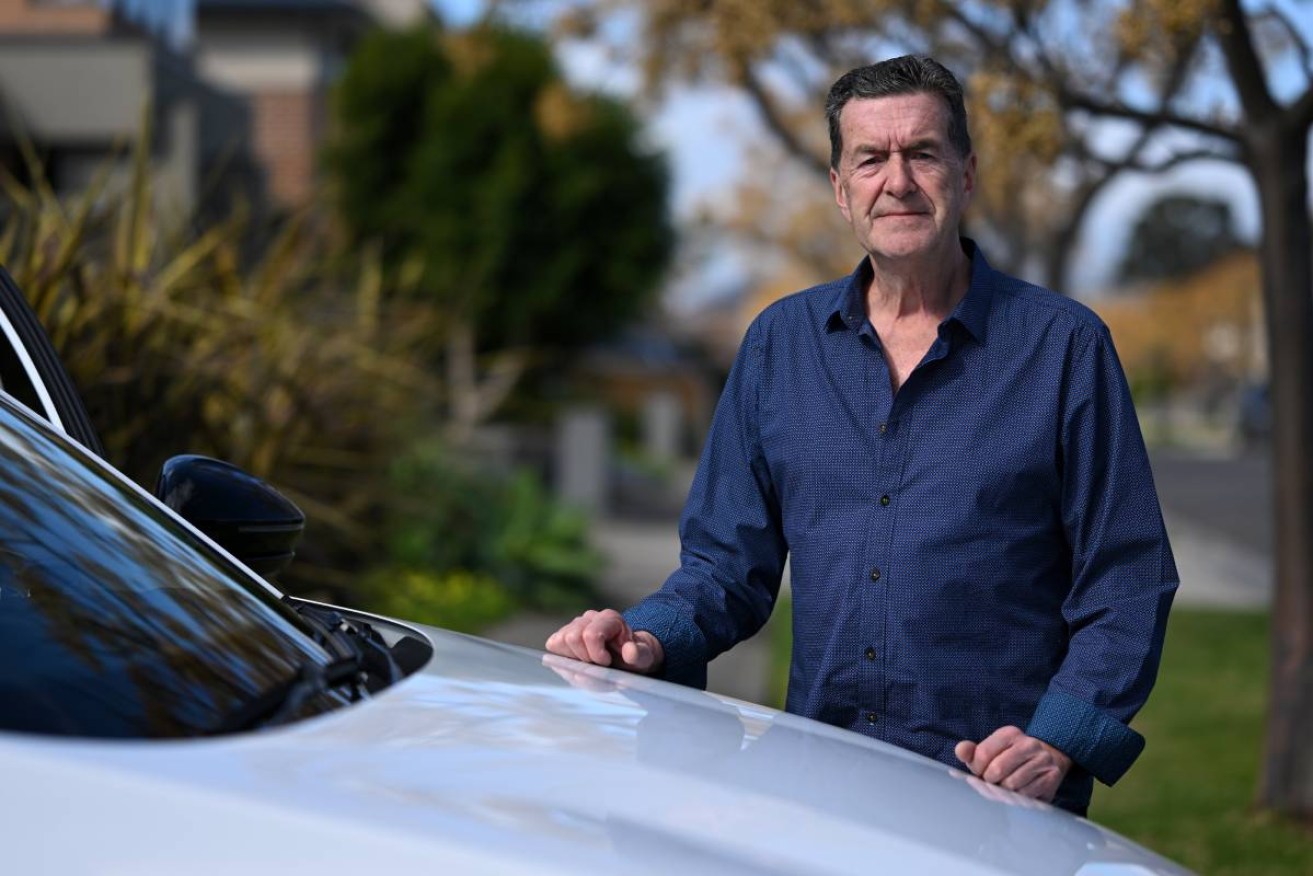
Uber driver Bruno Ricotta spends just 10 charing his car to travel 1000km each week. Photo: AAP
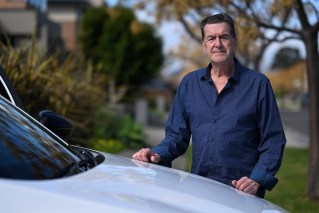
Bruno Ricotta is an unlikely electric vehicle advocate.
Until three months ago, the Melbourne Uber driver had only ever owned petrol cars and covered hundreds of kilometres each week.
But when fuel prices began rising in March, and friends and colleagues shared their experiences with battery-powered cars, he reconsidered his stance.
“For about two months, I was doing research on Google and going to car yards, test-driving cars, doing mathematics, working out my expenses, and I thought, it’s a no-brainer,” he says.
“I’m just wasting my money on nothing.”
Driving a Chery E5 SUV will save him up to $8000 a year in petrol and servicing costs, he says, and has already made him a go-to source of advice for other motorists.
“I have Uber drivers approach me in the car park at the airport and ask me how much does it cost you to charge,” he says.
“I do roughly 1000 kilometres a week and it costs me $10.
“I asked this chap how much he’s spending and he goes, well, I’m spending about $60 a day, seven days a week.”
Cutting costs has become one of the leading factors when choosing a new vehicle, industry experts say, mirroring Ricotta’s experience.
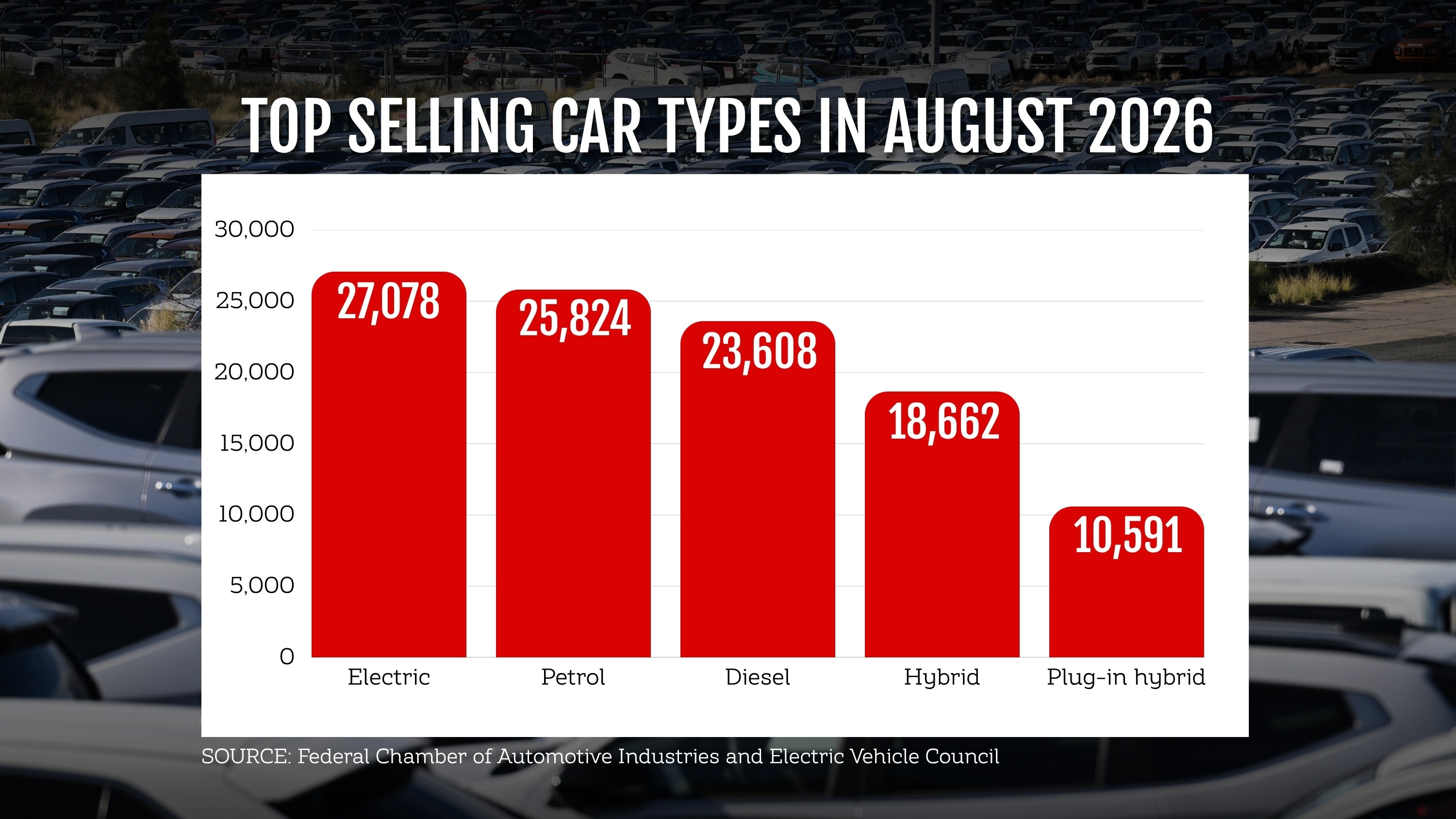
Electric vehicles overtook petrol-powered cars for the first time in August, representing almost one in every four new vehicles sold after months of accelerating demand.
Source: AAP
More than 100,000 battery-electric cars have joined Australian roads in six months, but experts warn the boom may not be self-sustaining and its future could depend on incentives, taxes, and developments in the Middle East.
Analysis from OnlyFacts shows more than 108,000 electric cars were sold in Australia between March and July – a rise of 142 per cent compared to the same period in 2025.
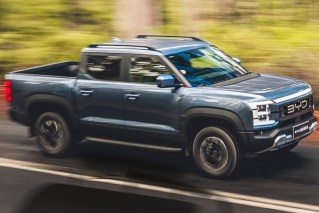
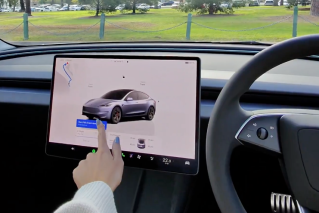
Tesla’s Model Y also topped the list of Australia’s best-selling vehicles in August, and another three EVs – the BYD Sealion 7, Geely EX5, and Zeekr 7X -–also ranked in the top 10.
Australia’s rapid shift towards electric cars might have seemed implausible two years ago, University of Queensland electrical engineering and computer science lecturer Dr Kai Li Lim says, but drivers are increasingly scrutinising their petrol bills.
“We are being pushed to make more sustainable choices – sustainable in a price sense,” Lim says.
“A lot of it comes down to cost, and the increased cost of running a petrol car these days.”
A study by consulting firm Wood Mackenzie found the rising price of fuel could fast-track electric car sales by 50 per cent, and slash global oil demand.
Some drivers would resist the trend, Lim says, but they could find it hard to ignore if petrol prices remained above $2 a litre.
“There are still pockets (of people) in the community who believe the fuel price rises are temporary and will go down,” he says.
“They’re holding onto that expectation and sticking with their petrol vehicles.”
But reluctance to buying an electric car is easing, according to an NRMA Insurance report called Changing Gears.
Almost one in three Australians (31 per cent) say they are open to buying an electric car, up from 20 per cent, while more than half will consider a plug-in hybrid vehicle (58 per cent).
Beyond costs, having more than half a million EVs on Australian roads will encourage more motorists to make the switch, Electric Vehicle Council policy head Aman Gaur says.
“It has that community effect of ‘oh, my neighbour owns an EV and my friend’s brother bought an EV,’ and that’s probably where we’re at in terms of acceptance – everyone knows one person or another who is driving an EV,” he says.
“One of the biggest ways to earn trust is actually from people you already know in your community – your childhood friend or the neighbour you’ve chatted with for years.”
The latest sales figures suggest Australia has driven through the first two stages of electric car adoption, Gaur says: innovators and early adopters.
Motorists are now entering an early majority phase, he says, but the trend is not guaranteed to proceed at the same pace and will require government and regulatory support.
“It can definitely continue but … nothing is predetermined,” he says.
“Looking ahead, we know we have to fight really hard to provide the benefits of electrified transport to Australians because it doesn’t take much for that action to evaporate or even go backwards.”
Government incentives should target those who may find the switch to electric cars financially challenging, he says, including households on lower incomes and in rental accommodation without off-street parking.
Any road-user charge, such as the model proposed by the NSW government for July 2027, should also be equitable and national, Mr Gaur says, to avoid spooking new EV drivers.
Whatever changes lie around the corner, Dr Lim says the electric cars bought in the last six months will make a long-term difference to Australia’s automotive market.
They will include a Tesla Model 3 that the academic himself ordered to cut transport costs.
“The vehicle stock that is currently on the rise in this country will stay in this country for the next 10 to 20 years,” he says.
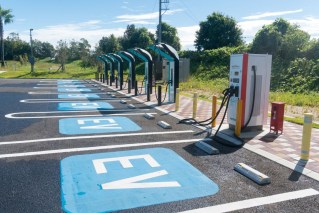
“We’ll need to have good infrastructure to support these vehicles.”
-AAP