‘Asia’s next breakout country’: The off-grid destination luring Aussie travellers

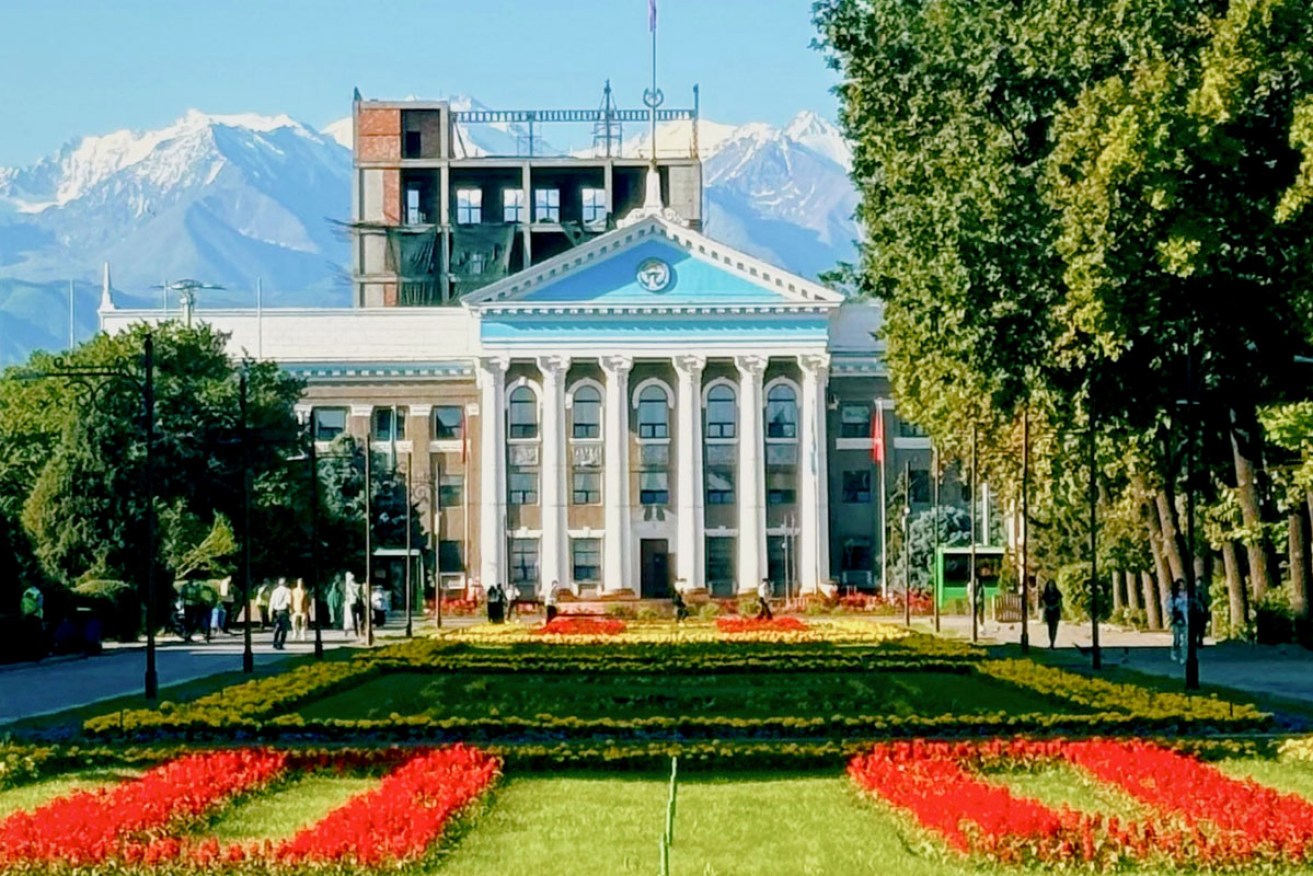
Bishkek is the gateway to adventure in Kyrgyzstan. Photo: supplied
There’s something about Kyrgyzstan.
This landlocked and mountainous Central Asian country with a population of around 7.5 million people may not boast the world’s best beaches or restaurants, but its unique landscapes and nomadic culture are proving a huge drawcard for adventurous travellers.
Kyrgyzstan’s capital of Bishtek topped a list of trending destinations for 2027 released last week by Skyscanner, beating other hotspots such as Marseille in France, Iloilo in the Philippines, Australia’s Lord Howe Island and Da Nang in Vietnam.
The findings – based on the increase in the number of Australians searching for return flights – reflects travellers’ growing interest in exploring “meaningful experiences” that won’t necessarily break the bank, according to the booking website’s Jarrod Kris.
“This is particularly evident in the growing interest in Central Asia, with destinations such as Kyrgyzstan seeing more than 800 per cent year-on-year growth in searches,” Kris said.
“Aussies are increasingly seeking unique, off-the-beaten-path experiences, supported by improved accessibility through organised tours and recent airport developments in this region.”
He said destinations all across Central Asia were experiencing record growth as social media platforms such as TikTok highlighted their attractions and inspired travellers to look beyond traditional holiday hotspots.
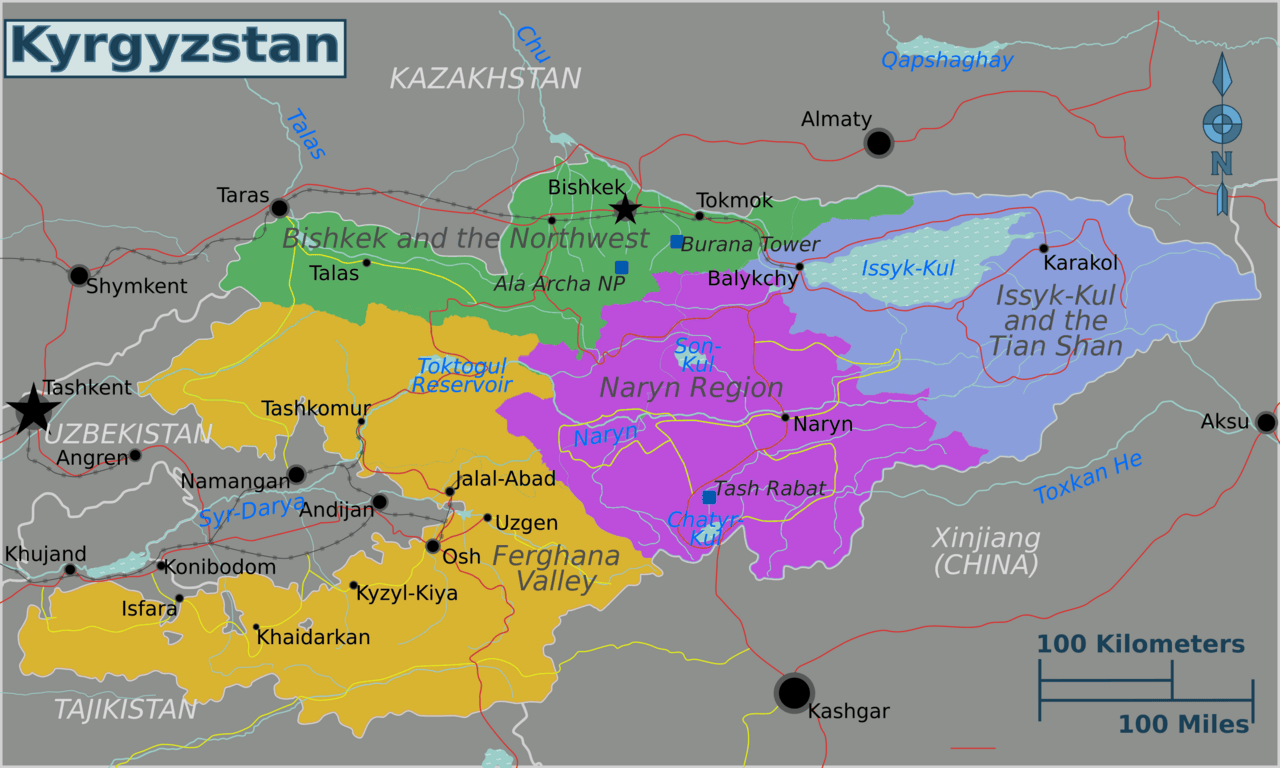
Source: Wikimedia Commons
Kyrgyzstan – not to be confused with its neighbour Kazakhstan or the Iranian province of Kurdistan – is riding a wave at the moment, with some travel bloggers and vloggers dubbing it “Asia’s next breakout country”.
It was recently named the world’s top solo adventure destination by travel website Much Better Adventures, and its Tian Shan mountain range was ranked 31st in the New York Times list of the 52 best travel destinations for 2026. It also featured on Intrepid Travel’s 2026 “Not Hot List” of lesser-known places that might appeal to “curious, conscientious travellers”.
According to Skyscanner, Kyrgyzstan is an affordable gateway to authentic, off-the-grid travel, especially as interest grows in what are known as the “Stan” countries.
“Adventure starts in Bishkek, where mountain trails, horse trekking and alpine lakes showcase a wilder side of Central Asia,” it says.
Australians don’t require a visa for stays of up to 30 days in Kyrgyzstan and several airlines offer return flights from capital cities starting from around $1500 return in off-peak periods.
Lonely Planet extols the country’s “joyously unspoilt mountain-scapes, stark craggy ridges and rolling jailoos (summer pastures)” which are “brought to life by semi-nomadic, yurt-dwelling shepherds”.
Visitors can go horse-trekking through the mountains and explore alpine destinations such as the stunning Issyk-Kul Lake, the 60-metre Belogorka Waterfall, and Ala-Archa Nature Park, which offers a range of hiking trails amid rivers, glaciers and soaring peaks.
Attractions in Bishtek itself include the Osh Bazaar market, as well as numerous museums offering insight into the country’s history.
However, while many travel websites and writers say the country is safe for visitors, it should be noted that Australia’s SmartTraveller site advises travellers to exercise a high degree of caution due to the potential threat of terrorist attacks, demonstrations in the capital, and violent crime.
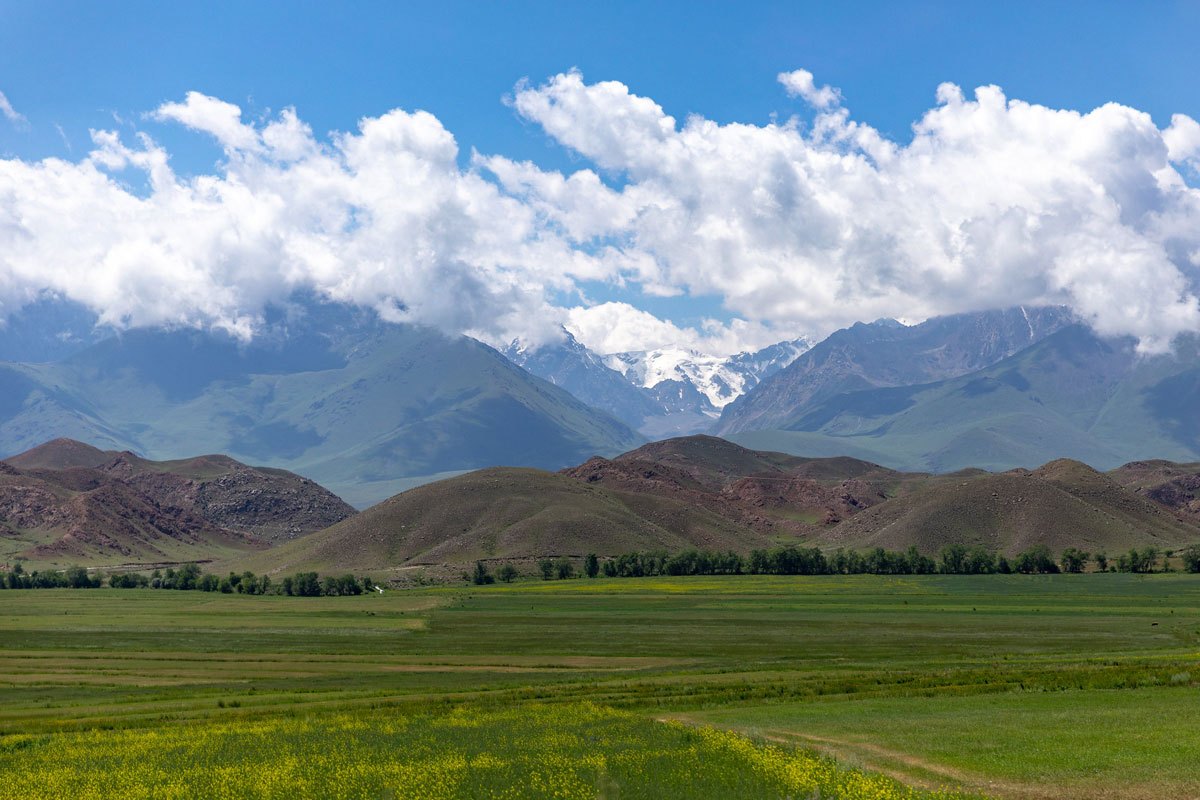
Kyrgyzstan’s Tian Shan mountain range. Photo: Flickr
For travellers more interested in best-value destinations, Skyscanner found the places that experienced the biggest price drop for return economy flights in 2026 were Mexico City, Hamilton in New Zealand, Montreal in Canada, Okinawa in Japan and Vienna in Austria.
Its Travel Trends 2027 report, based on search data and insights from 2000 Australian travellers, also found that despite cost-of-living pressures, 78 per cent of people were planning to travel as much, if not more in 2027.
However, with today’s constant connectivity causing “digital fatigue”, an increasing number of Aussies are seeking “off-grid” travel experiences that enable them to connect with nature, local culture and loved ones.
Other key trends identified included the “gymcation” – holidays that prioritise fitness and wellbeing – as well as “grand odysseys” taking in historical attractions and architectural wonders.
Kris predicts 2027 will usher in “a new age of travel discernment”.
“We’re seeing Aussie travellers become more selective about where they go, how they spend and the experiences they prioritise,” he said.
“Rather than chasing crowded hotspots or social media trends, Aussies are seeking deeper connections, lasting personal fulfilment, and better value from every journey. The 2027 Travel Trends reinforces how travel is becoming much more than a holiday.”

Celebrate Halloween with 10 spooky destinations