 Subscribe
Exclusive: Australian women warned to plan for longer retirement as early exits spike
Australian women are being warned to plan for a longer-than-expected retirement after new research found females were retiring early at almost double the rate of men.

- Women accounted for 68 per cent of Australians who retired earlier than planned, compared with 32 per cent of men, a Vanguard survey found.
- Many are leaving with less financial know-how, with the literacy gap widest among those aged 45 to 54, where women scored 58 per cent against 76 per cent for men.
- Melbourne lawyer Diane Ridgway, 53, says she is set to retire early by choice after more than a decade of saving and investing.
Australian women are being warned to plan for a longer-than-expected retirement after new research found females were retiring early at almost double the rate of men.
Vanguard’s new How Australia Retires report, shared exclusively with The Money Edition, found that women comprised 68 per cent of Australians who retired early, compared to just 32 per cent of men.
Vanguard warns that if Australians leave the workforce earlier than expected, “they may need to fund a longer retirement than anticipated,” and women typically live longer, with a life expectancy of 85 compared with 81 for men.
“People often think they’ll get to choose the date they retire but for many Australians, particularly women, the journey is not always that straightforward,” Vanguard Chief of Personal Investor Renae Smith told The Money Edition.
Almost half (48 per cent) of Australians who retired in the past five years said they stopped working earlier than planned, at an average age of 59, four years younger than those who retired on schedule.
Those who retired early were more than twice as likely to report low retirement confidence (42 per cent) as those who retired when expected (19 per cent), the survey of more than 1,800 Australians found.
That was the case for Melbourne lawyer Diane Ridgway, who chose to retire early by design rather than by circumstance.
“I thought, well, I don’t want to be working until I’m 70; some people don’t have a choice,” Ridgway, aged 53, told The Money Edition in an exclusive interview.
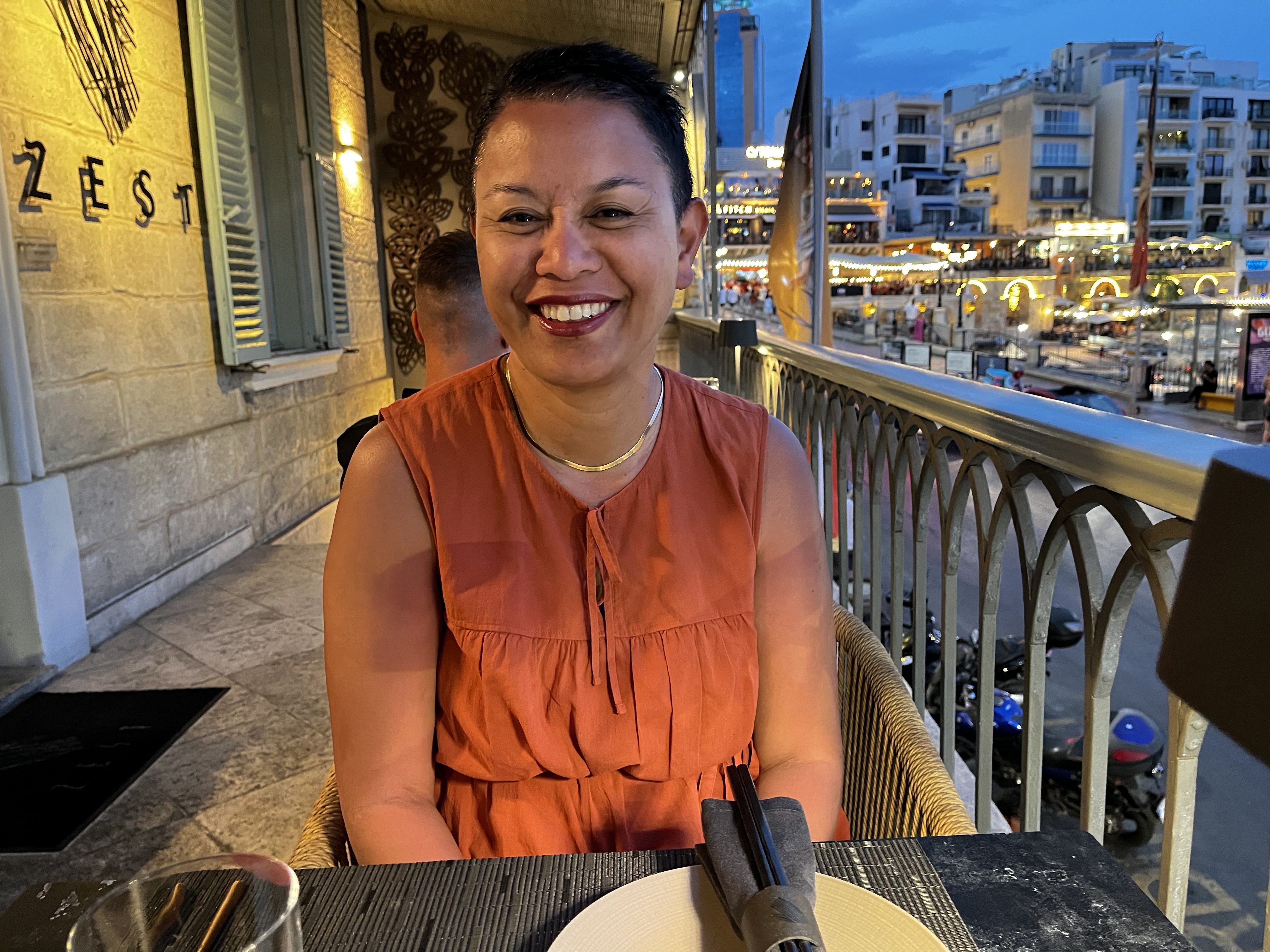
Now less than six months from retirement, she is leaving work more than a decade before the age most working Australians expect to retire.
For Ridgway, planning began when a financial planning talk at a firm she worked for led her to seek professional advice.
An adviser, who has worked with her and her husband since 2011, assessed the couple’s risk profile and goals, “and one of those goals was to retire as soon as we could,” she said.
“I think a lot of people see retirement as an age, but it’s actually a dollar figure,” she said.
The couple redirected part of their pay into super, a form of voluntary contribution that nearly one in two Australians have never made.
The couple invested in shares to “build a bridge to basically fund our lifestyle” until they could “eventually access our super,” and Ridgway said the key was to “be consistent and just keep investing”.
She said most of her contemporaries are still working, noting how “a lot of people are very much sort of stuck on the hedonic treadmill”.
Women’s outsized share of early retirees “suggests women are more likely to experience work disruptions later in life,” the report said, noting how retirement timing is often influenced by factors outside their control.
“Life events such as caring for children or grandchildren, supporting ageing parents, health challenges or unexpected changes in employment can reshape retirement plans, sometimes years earlier than expected,” Smith said.
After adjusting for income, wealth, home ownership and age, Vanguard found women were still nine percentage points more likely than men to report low retirement confidence.
Data from the Australian Bureau of Statistics (ABS) shows that among people aged 45 and over who retired in 2024-25, women did so at an average age of 62.7, compared with 64.9 for men.

Mid-life literacy gap hitting women harder than men
Women scored lower than men on financial literacy across every age group, with the widest gap among those aged 45 to 54, where women scored 58 per cent against 76 per cent for men.
The gap carries into investing, with separate Vanguard research finding just 35 per cent of women invest outside super, compared with 52 per cent of men.
“Women make important financial decisions every day, but many don’t give themselves enough credit when it comes to managing their money and planning for the future,” Smith said.
Only 38 per cent of respondents correctly identified the age at which Australians can generally access their super, and fewer than 30 per cent of women aged 18 to 34 answered correctly.
Ridgway said investing in shares was once “very much sort of seen as a rich person’s game,” but people can now start with as little as $50 or $100.
“I’ve heard people think that if you’re investing in the share market that you are gambling, but it’s only because it’s quite volatile,” she said, describing it instead as “a long-term pathway”.
She built her knowledge through books, podcasts and YouTubers in Australia and overseas, which she said made investing in the share market feel far less daunting.
Doing your own homework is the most common approach, with Vanguard finding 38 per cent of Australians rely on their own research when planning for retirement, more than turn to partners, family or financial advisers.
Planning pays off
Vanguard says super funds have “a clear opportunity to help members start planning earlier, particularly women and Australians in mid-life, who are more likely to report lower confidence.”
Having a retirement plan was one of the factors most strongly associated with confidence, with 75 per cent of Australians who have a detailed plan reporting high confidence, compared with 4 per cent of those with no plan.
Working-age Australians with a detailed plan reported a gap of under two years between their ideal and realistic retirement ages, compared with nearly 10 years for those with no plan.
Yet 45 per cent of working-age Australians reported having no retirement plan.
Ridgway said early retirement does not require a high income, telling young women, “you just need to spend less than you earn,” invest, and avoid debt where possible.
“I don’t think you need to be in a high-paying job to do it. I just think you need to start as early as possible so that you can get the benefit of compounding interest,” she said.
With retirement now months away, Ridgway plans to join a gym, travel, finally catch up on reading for pleasure, and spend time on the simple things, like going for a walk and taking time to “smell the roses”.
“Life is so short, and there are no guarantees for tomorrow, so I just want to make the most of the time that we have,” she said.
Topics: money, Retirement, Retirement income, The Money Edition