 Subscribe
Australia’s unemployment rate rises to hotter-than-expected level
Australia has a new unemployment rate — here's what it means for your hip pocket and how it might sway the RBA at its next meeting.

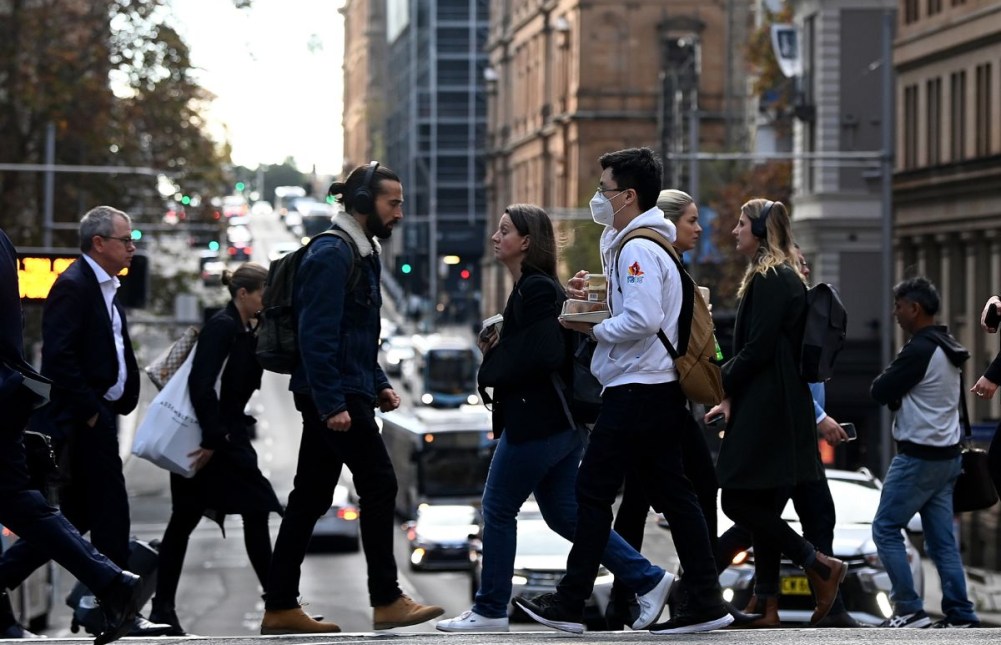
- New data from the Australian Bureau of Statistics (ABS) shows Australia’s unemployment rate has lifted to a hotter-than-expected 4.7 per cent.
- Data for the month of September showed that 39,000 Australians found employment, while 9,000 Australians left the workforce.
- Analysts and market expectations had priced in unemployment to stay at 4.6 per cent and around 20,000 Australians to find full-time work.
Australia’s unemployment rate has risen to a hotter-than-expected 4.7 per cent, weakening the case for the Reserve Bank of Australia (RBA) to lift rates at its November meeting.
New data from the Australian Bureau of Statistics (ABS) showed that 39,000 Australians joined the workforce in September, while 9000 Australians left employment.
Market expectations had widely expected the rate to remain steady at 4.6 per cent, with 20,000 jobs added.
Sean Crick, head of labour statistics at the ABS, said more Australians remained unemployed longer than in prior years.
“This September a higher proportion of people remained unemployed compared to recent years,” he said.
“This follows from last month when a higher proportion of people who were previously not in the labour force moved to being unemployed.”
Today’s figures come after August saw a surprising jump in the unemployment rate, which the Reserve Bank warned it was treating with “considerable caution” given the seasonality of winter work.
“Members acknowledged that the trade-off between inflation and full employment had deteriorated because of global cost pressures,” the board said in its minutes.
“They confirmed that their strategy was still to return inflation to target in a timely manner, while preserving as many of the gains in employment as possible.
“However, executing this strategy in an environment of more persistent adverse supply shocks would require accepting slower growth in demand and employment than would otherwise be the case.”
How does the unemployment rate affect me?
For many Australians, the unemployment rate has little discernible impact on their lives if they are already working.
But on a macroeconomic scale, swift changes in a nation’s employment rate can have profound consequences.
It isn’t as simple as having a job or not.
If unemployment rises, competition for jobs increases. This means businesses tend to cut back on their headcount, and more work will fall to existing employees on the payroll.
What’s more, as the job market becomes more competitive, there is potential for salaries to fall.
High unemployment also reduces consumer spending, because fewer people are earning money, and puts greater strain on government welfare programs, which may lead to higher taxes.
If unemployment is falling, it suddenly becomes a job-seekers market. Economists sometimes call this a “tight” labour market.
In a tight market, businesses struggle to find workers, so employees can push for pay rises and hold out for jobs that suit them.
Australia’s labour market, with an unemployment rate below 5 per cent, is currently considered to be “tight”.

What does the RBA want the unemployment rate to do?
Technically, the RBA does not want a specific unemployment rate.
The RBA has two key objectives: to keep inflation low and stable, and to support full employment.
Full employment is not every single adult in a job, but simply the maximum amount of people employed without inflation getting too red-hot.
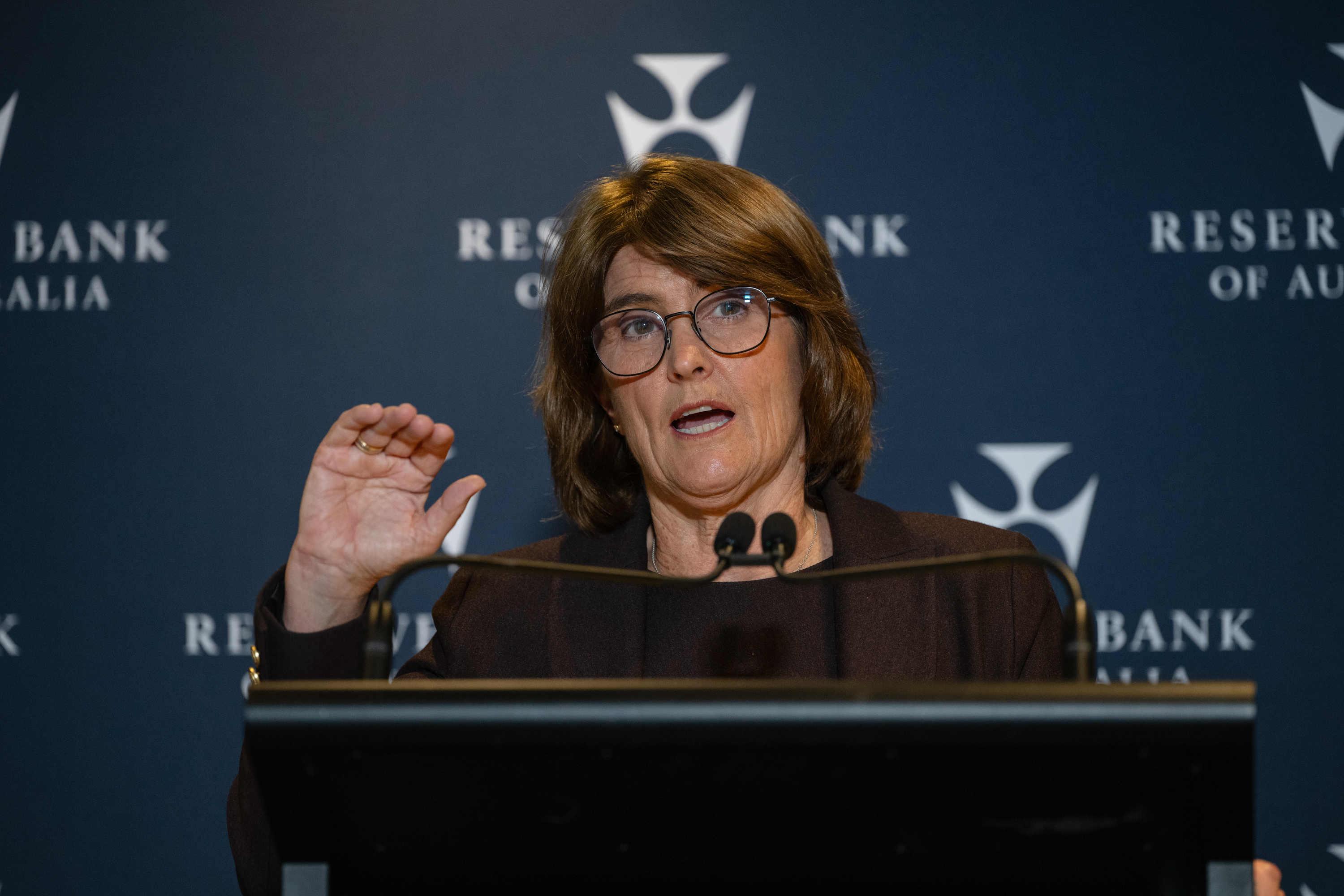
That said, RBA Governor Michele Bullock has said the central bank thinks an unemployment rate in the target range of 4.5 to 5 per cent would support the most economic growth without drastically impacting inflation.
“There are certain levels of unemployment that if you go below that level of unemployment, it introduces a lot of pressure in the labour market, and that can put upward pressure on wages and prices,” she said.
“It puts pressure on costs for businesses, that finds its way into prices.
“Between 4.5 and 5 (per cent) will probably take enough heat out of the labour market that it’ll ease pressure on inflation.”
Topics: Business, Finance, Unemployment Rate