 Subscribe

‘Thick fog’ of risk forecast for Aussie farmers in 2027
Australia's agriculture industry has been warned it will likely have to endure another year of geopolitical risk as supply constraints mount.

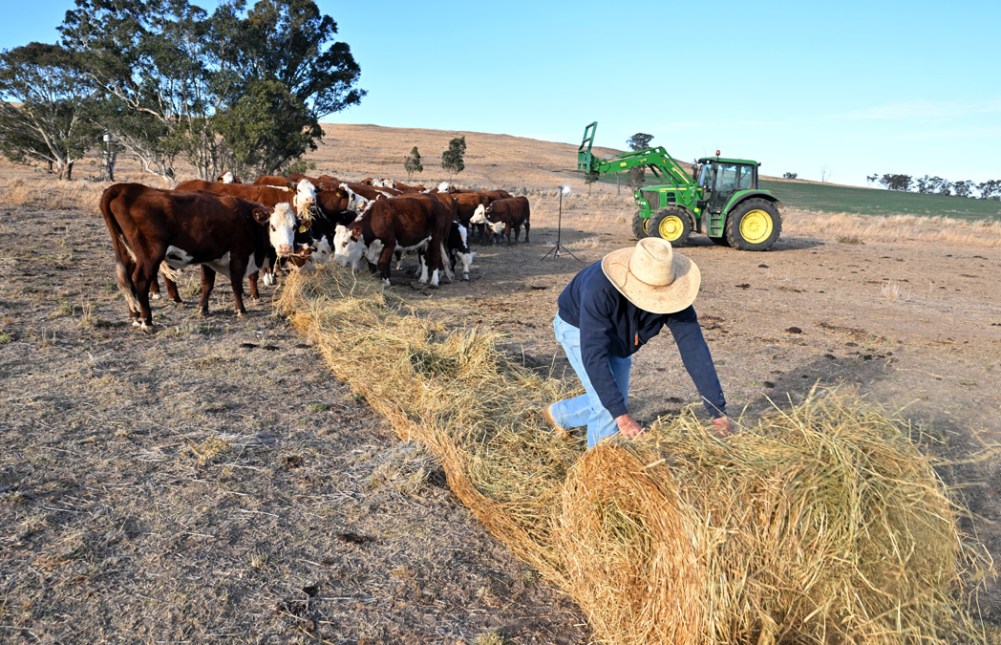
- Australia’s agriculture sector faces a “thick fog” of uncertainty in 2027, compounded by global wars and rising interest rates.
- Without certainty from both the war in Iran, and the Ukraine, farmers are being warned that supply of key commodities like diesel and fertiliser will remain squeezed.
- The report comes amid a startling survey of Australian vegetable growers, who say thin margins are driving them out of business.
Australian farmers have been warned to prepare for a “thick fog” of geopolitical risk and high energy prices as they make their plans for 2027.
Rabobank’s annual Agri Commodity Markets Outlook 2027 report, released today, cautions the nation’s growers and breeders that a groundswell of geopolitical issues could upend their prices.
Of particular note was the unresolved nature of the Iran war, which was pushing up the prices of all farming commodities, from fuel to feed — even in a dusty paddock in outback Australia.
“The constrained container traffic through the Bab al-Mandab Strait, the disruption to transit through the Strait of Hormuz since February and the targeting of grain shipments in the Black Sea since mid year are having persistent consequences for agriculture,” said Carlos Mera, Rabobank’s head of Agri Commodity Markets Research.
“The war in Iran has directly impacted energy and fertiliser costs, while escalation in the Black Sea has disrupted about 30 per cent of global wheat exports – as well as trade in other agricultural commodities – and contributed to a spike in refined fuel prices.”

Mera warned that the agriculture sector was facing a price squeeze in diesel and fertiliser, not just because of supply, but from inflation, interest rates and government red tape.
“Agriculture, transport and industry will continue to face high fuel costs, with a broad return to normal diesel pricing in 2027 unlikely,” Mera said.
“Over the past 24 months, fertiliser affordability has weighed on farm economics and decision-making, but improvement appears likely for growers across the regions in 2027, continuing the trends seen in the second half of this year.”
The report said while “the fog surrounding the 2027 outlook may be unusually thick”, it “is not completely impenetrable.”
“For Australian producers, there are also positive signals, including forecast stronger international wheat and cotton prices, relatively stable US cattle futures markets and the prospect of improving fertiliser affordability,” it reads.
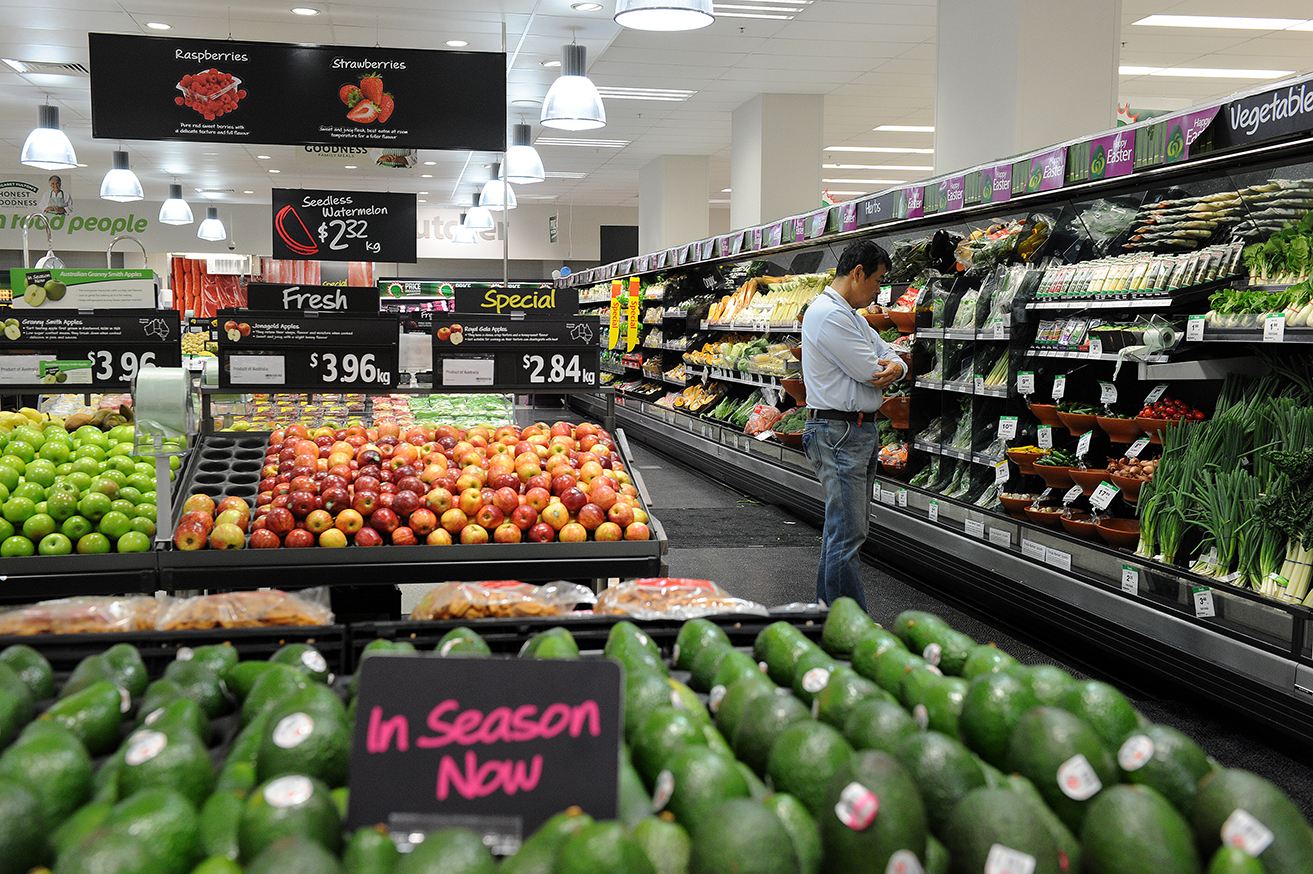
Outlook comes as ’85 per cent’ of vegetable growers consider leaving
Despite the prospect of positive signs, many Australian producers are considering leaving the sector as margins narrow and the prospect of a dry, hot summer looms.
A report by industry body AUSVEG, released last week, found that 85 per cent of growers had considered selling their properties or farming a different commodity.
Nearly 90 per cent of growers who the body spoke to in late 2026 indicated they were less profitable than 12 months ago, up 44 percent compared to January this year.
The primary reasons for the low confidence were poor price returns, increased labour costs and an increase in compliance burdens from authorities.
“Aussie vegetable growers need Aussie consumers on board, because vegetable consumption is at critically low levels. We know households are doing it tough, just like growers,” said AUSVEG CEO Michael Coote.
“In the relentless cost-of-living crisis, vegetables have remained one of the most affordable foods available to consumers, so it’s critical we get every Australian eating more.
“As more and more growers look to leave the industry, we are facing a point of no return when it comes to Australia’s vegetable supply.”