 Subscribe

The Black Friday tricks designed to make you spend more
Black Friday is fast approaching, with retailers offering heavy discounts as debt-laden Australians hunt for bargains ahead of Christmas.

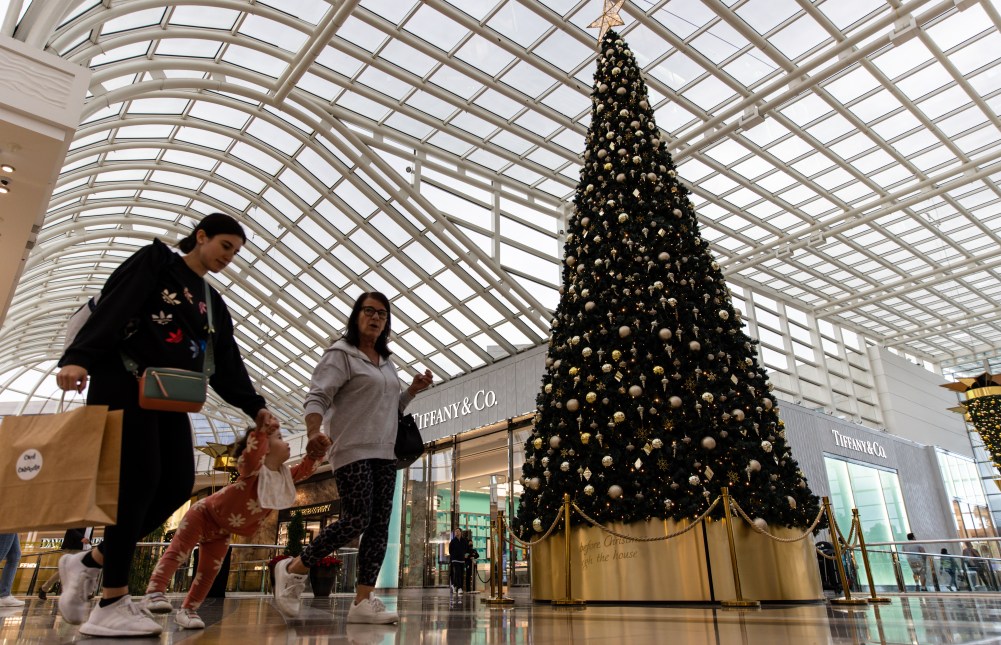
- Australians are forecast to spend a record $7.2 billion over the four-day sales period.
- Online shoppers are making smaller purchases as they search for better value.
- More than half of shoppers surveyed by Choice spent more than intended during last year’s sales.
A growing number of Australians are struggling to keep a roof over their heads, but many are still preparing to spend a record $7.2 billion during the Black Friday sales.
Boxing Day, once considered the biggest day for bargains, is now a distant second.
Research by Finder found that 11.7 million Australians have shopped or plan to shop during major sales events this year, including 7.6 million planning to take part in Black Friday.
Despite cost-of-living pressures, consumers are preparing to spend mostly on clothing, footwear, technology and accessories in the pre-Christmas sales.
Men plan to spend an average of $1,028, compared to $822 for women, according to a survey by the Australian Retail Council and Roy Morgan.
Held just before the Christmas retail bonanza, Black Friday has emerged as a key event in the retail calendar in recent years.
But debt-riddled consumers appear determined to spend wisely, with CommBank data showing Australians are spending more online while cutting the size of individual purchases.
October CommBank iQ analysis, featured in the latest Australia Post eCommerce Report, found Australians spent $25 billion online in the September quarter, up 17 per cent from a year earlier.
Some 8.4 million households made online purchases during the quarter. But while total spending climbed, the average online basket fell 6.8 per cent year-on-year to $90, the lowest level recorded in the dataset.
The figures suggest Australians are still willing to spend online, but are spreading that spending across smaller transactions and looking harder for value as Black Friday, Cyber Monday and the Christmas shopping season approach.
“Australians haven’t stopped spending online, but they are becoming more deliberate about where and how they spend their money,” CommBank iQ CEO Simon Johnson said.
“While overall online spending remains strong, smaller basket sizes suggest consumers are taking a more considered approach and looking for value wherever they can find it.”
Discounts under way
Retailers have already begun advertising heavy discounts in the run-up to Black Friday, slashing prices on everything from furniture and technology to clothing by as much as 60 per cent.
Spending is great if you can afford it. But many Australians are already carrying debt into the Black Friday sales.
Roughly 38 per cent of Australians have credit card debt, while 23 per cent are carrying buy now, pay later balances, according to figures compiled by financial comparison site Savvy.
The average outstanding buy now, pay later balance reached $754 in the March quarter, up from $633 in the June quarter last year.
Meanwhile, Australians had a collective $44.24 billion outstanding on credit and charge cards in May, with nearly half of those balances accruing interest.

Mortgage stress has also intensified alongside rising interest rates, with financial pressure particularly pronounced in Victoria.
Despite these pressures, Australians forked out $5.8 billion on clothing and footwear and $6.6 billion on furnishings and household equipment in November last year, according to Australian Bureau of Statistics household spending data.
But a discounted product can still prove expensive if it’s funded by debt, particularly when interest charges are added to the purchase price.
Think twice before spending
Consumer group Choice urges shoppers to think twice before spending, warning that retailers use a range of promotional tactics to encourage impulse purchases.
A Choice survey conducted last year found 52 per cent of respondents spent more than intended during Black Friday sales, while 48 per cent bought items they didn’t need.
Almost half said Black Friday marketing and promotions made them feel pressured to buy.
Choice urges people to know their rights and shop smart for a bargain.
Do your research, check reviews on larger items such as appliances, mattresses and whitegoods, and compare prices across retailers. Also, be wary of extended warranties, Choice editorial director Mark Serrels said.
“As pressures on household budgets continue to increase, it’s important to do your research if you’re planning to buy something in the Black Friday sales this year to make sure you’re getting the most bang for your buck,” Serrels said.
If you’re after a particular item, compare prices across retailers.
“With a huge number of sales happening throughout November, there’s a good chance you’ll be able to find it cheaper somewhere else. If you need to have the item delivered, it’s worth comparing that cost too.”
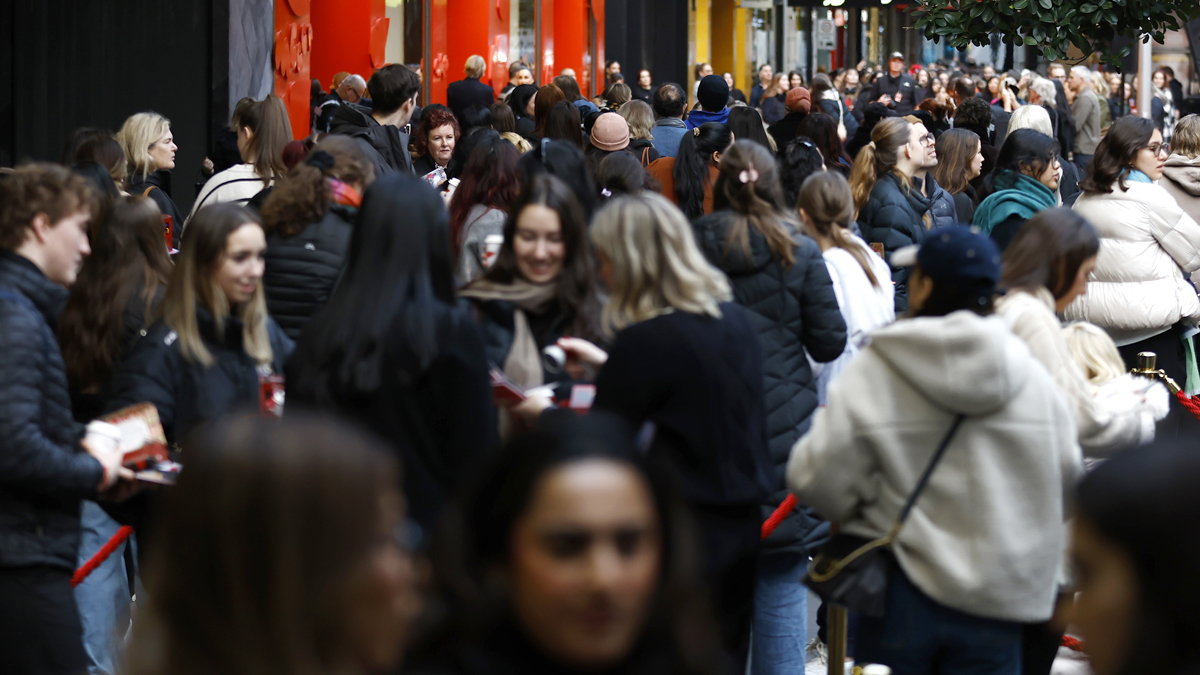
Serrels also said shoppers should try negotiating a better deal, even on discounted products.
“Even when products are on sale, you shouldn’t miss a chance to negotiate a lower price. Ask the salesperson if they can lower the price.”
Many stores also offer price-matching, allowing shoppers to secure the same product at a competitor’s lower price, or sometimes even less.
Also be wary of extended warranties, which often offer little extra value, given that Australian Consumer Law already entitles shoppers to remedies such as repair, refund, or replacement if a product fails to meet consumer guarantees.
Lastly, watch out for scammers looking to take advantage of the sales period.
“There are a few red flags to keep in mind,” Serrels said. “If you spot an unusual URL, big discounts, missing information or poor formatting, it may indicate a website is not legitimate.”
Topics: Black Friday, Consumer, Cost of Living