 Subscribe

Stamp duty wipeout threatens to blow $16 billion hole in NSW accounts
As house prices plummet, the amount of stamp duty the NSW government can collect is expected to go backwards by more than $16 billion.

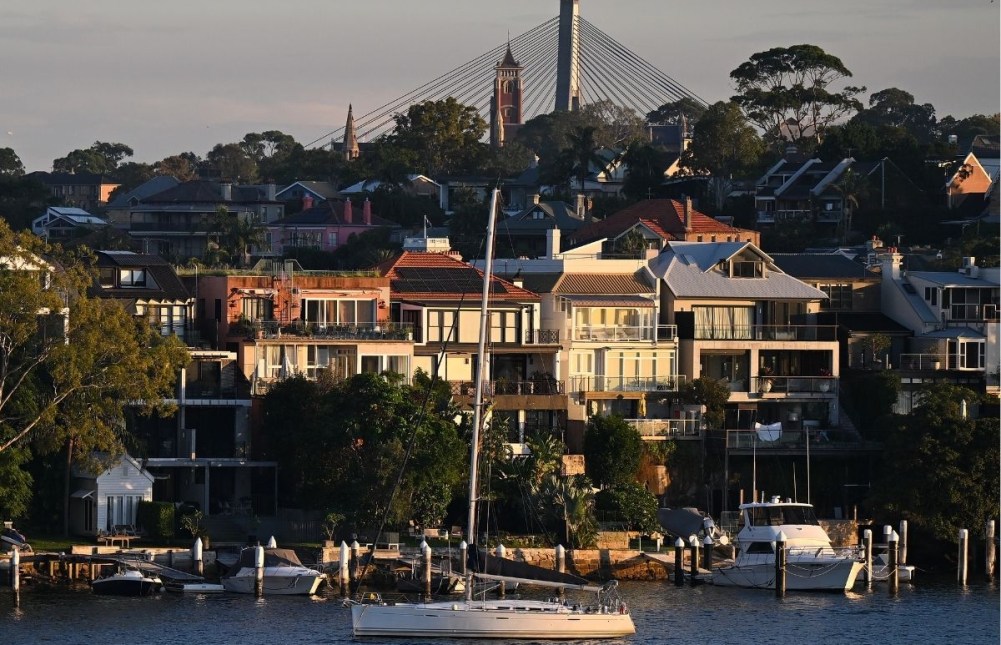
- NSW Treasurer Daniel Mookhey is anticipating a drop in stamp duty will blow a $16 billion hole in the state government’s accounts for the upcoming financial year.
- As house prices drop — and sale volumes — the NSW state government will be unable to collect as much revenue from property.
- Mookhey said federal government policies were impacting house prices and, as a result, weighing on the state’s coffers.
The New South Wales Government expects revenue to dip by up to $16 billion in the year ahead, as plunging house prices create a hole in stamp duty revenue.
Providing an update on the state’s budget on Friday, NSW Treasurer Daniel Mookhey said he expects to write down the state’s forecast land tax and stamp duty revenue by around $8 billion, when the mid-year update is released in February.
That comes in addition to the $8 billion fall flagged in the state budget delivered in June.
Releasing the state’s Report on State Finances, Mookhey said federal tax policy changes, namely those around negative gearing, were indirectly affecting state revenue.
“As the federal treasurer himself has acknowledged, federal tax policy has had an impact on the nation’s property markets and has had an impact on NSW’s property markets,” the treasurer said during a media conference.
“The government has a responsibility to keep NSW government finances stable and our spending restrained during a time of high inflation.
“I urge all the treasurers to do the same.”

In NSW, stamp duty is calculated on the contract purchase price or the property’s unencumbered open-market value, whichever is higher.
For example, a $1 million home bought in NSW in the current financial year would attract a stamp duty of more than $39,000.
Land tax is calculated on unimproved land value for properties worth $1,075,000 and above.
The report said the declining number of auctions meant the stamp duty revenue it was receiving was plummeting.
“While duty revenue grew strongly in the first half of 2025-26, property prices and transaction volumes were declining in the final months to June 2026,” Treasury said.
“Interest rates are expected to stay elevated, and the Report notes this will impact NSW harder than other states because of our large, highly valued housing market.
“Housing conditions have already softened, with price falls most evident at the higher-value end of the Sydney market.”
It also blamed higher fuel prices and interest rates for the expected blow to the state’s bottom line.
“The conflict in the Middle East is also adding to uncertainty, through higher fuel prices, stubborn inflation and lower confidence,” the report reads.
“Higher interest rates also increase the cost of the State’s borrowing.
“These pressures will be reflected in the 2026-27 Half-Yearly Review which will be released early next year.”
NSW’s property correction by the numbers
According to property data firm Cotality, NSW has seen some of the largest swings this year as the housing market corrects:
- Sydney property values down 10.1 per cent from February peak.
- Regional NSW property prices down 1.4 per cent, year-on-year.
- Sydney’s median property value, including both houses and units, is now $1.18 million.
- Over the last three months, the volume of homes going to market in Sydney has fallen by 30 per cent, year-on-year.
- The median time on market has climbed to 39 days, the longest time since winter 2020, during the COVID-19 pandemic.
Topics: NSW, Property, Real Estate