 Subscribe

What Trump’s latest tariffs mean for your bottom dollar
The US has announced a sweeping new raft of tariffs on 14 major trading partners. But the real impact, if any, may take months to be felt by Aussies.

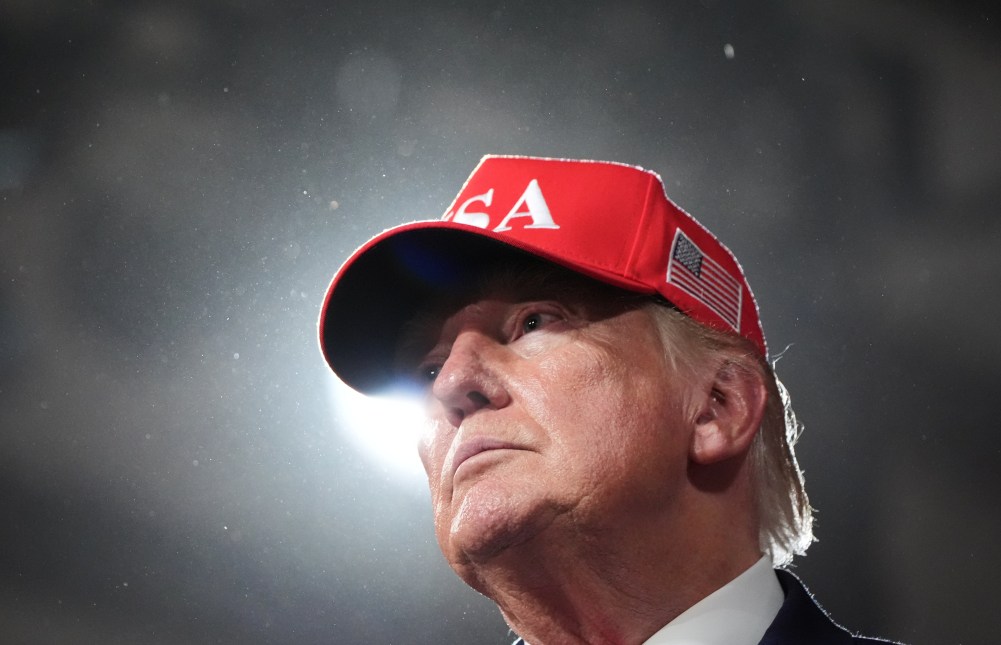
- The US has proposed sweeping new tariffs for 14 major trading partners, including China and the EU.
- The Trump Administration says the new taxes are designed to increase competition for local manufacturers against economies they say suppress labour and wages.
- The tariffs are currently proposed and will be subject to hearings early next year.
US President Donald Trump has revealed a suite of newly proposed tariffs that, if approved, would slug up to 14 of the nation’s biggest trading partners with higher taxes.
The tariffs, which are proposed and not expected to take effect until next year, specifically target nations the Trump Administration believes have an unfair advantage over US manufacturing.
But who is affected, and how will it hit your wallet here at home?
Which economies are targeted by the new round of tariffs?
Jamieson Greer, the Trump Administration’s trade representative, is responsible for determining the policy.
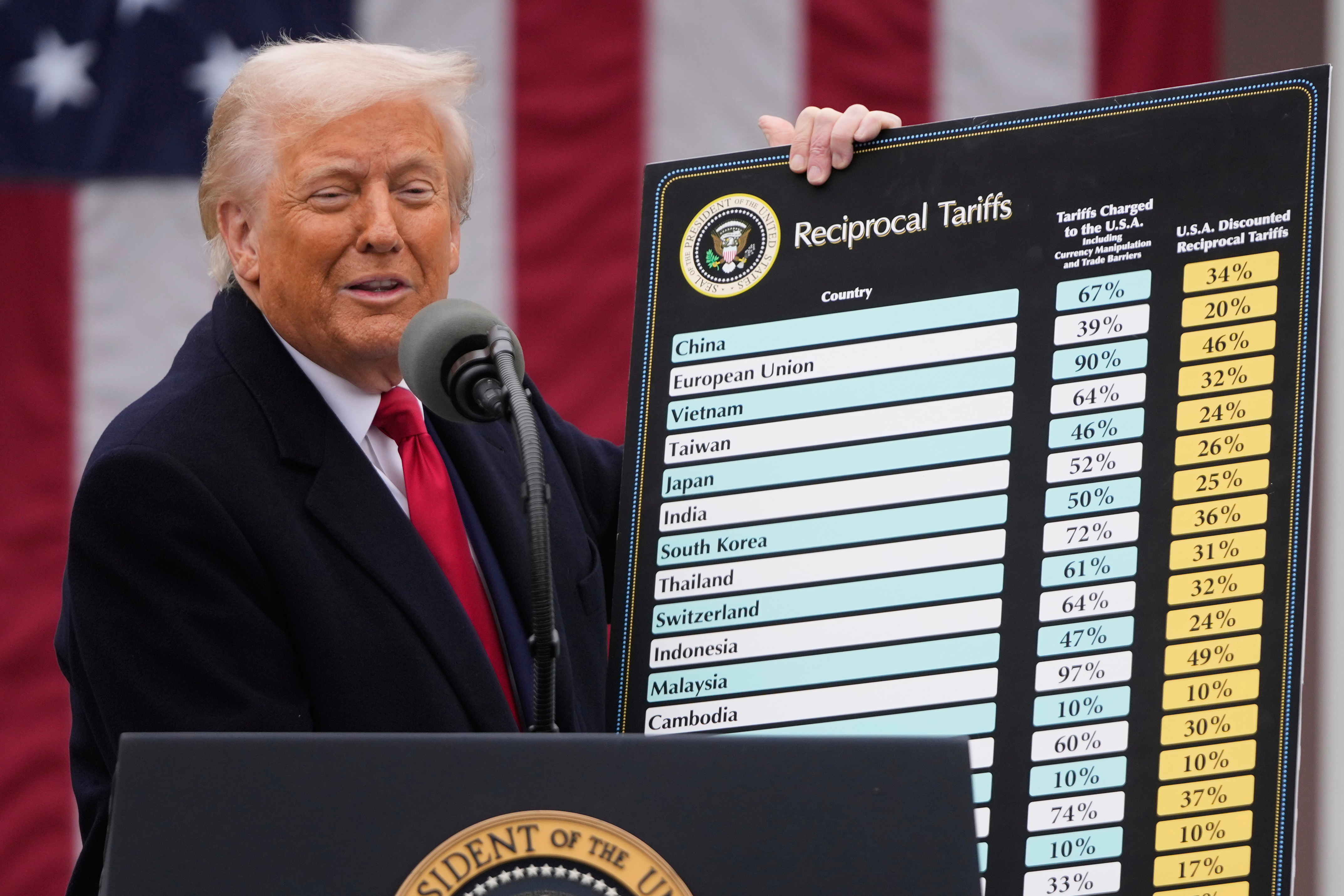
He named 14 major trading partners in the firing line of additional tariffs: China, the European Union, Singapore, Switzerland, Indonesia, Malaysia, Cambodia, Thailand, Korea, Vietnam, Taiwan, Bangladesh, Japan, and India.
No additional tariffs have been announced for Australia.
What impact will these new tariffs have on Australia?
There will be no direct impact on Australia, given our economy was not one of the 14 named by the Trump Administration.
Currently, Australian goods exported to the US remain subject to the 12.5 per cent tariff that was imposed in July.
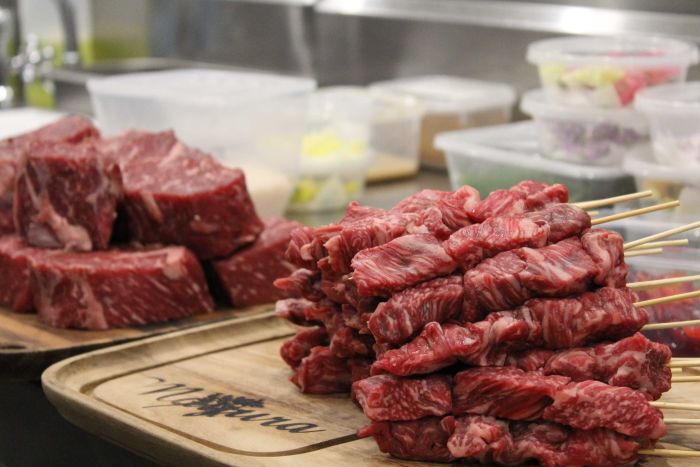
Exemptions do apply to certain goods, such as Australian beef, gold and some copper products.
But the US is a global economic superpower, and any movement has repercussions which eventually flow through to Australia.
Overnight, Wall Street markets fell after the announcement, with investors betting against higher operating costs for companies that source materials and stock from China.
In a sign of how little Australia cares about the latest developments from Washington, the ASX 200 is predicted to rise when it opens today.
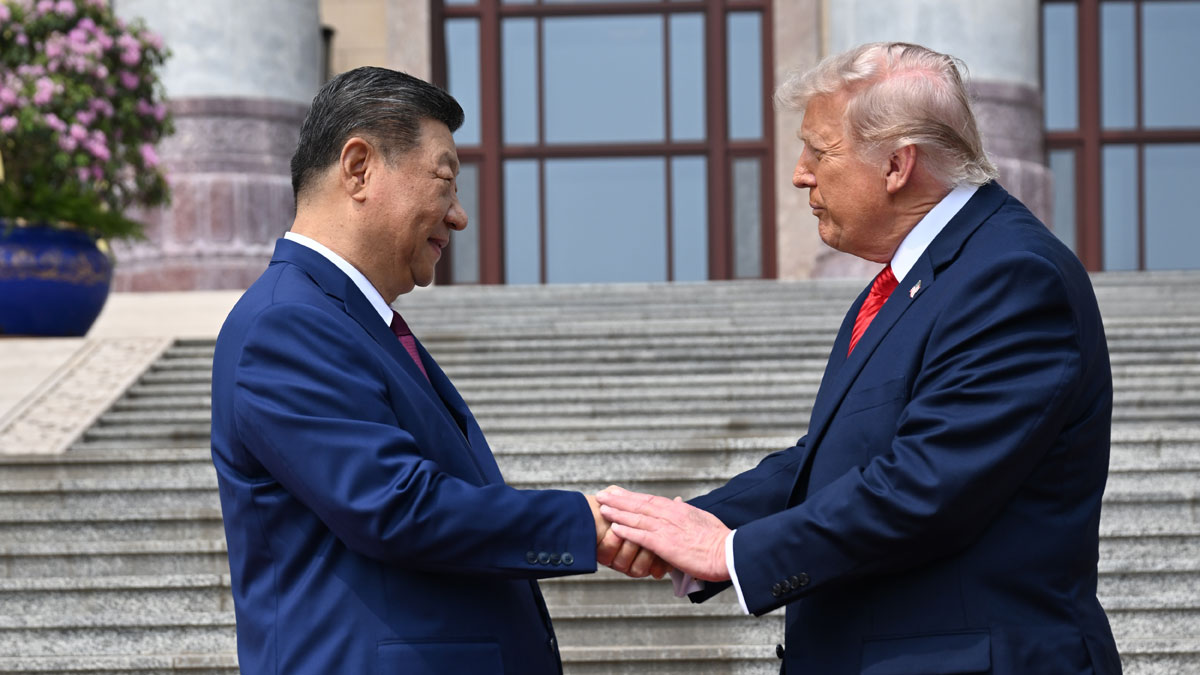
Still, if China is forced to bear the bulk of the new tariffs, it could theoretically increase the cost of shipping Chinese goods to Australia, which could drive up retail prices.
“China faces a 20 per cent tariff on most products,” NAB’s Head of FX Strategy, Ray Attrill, said in a research note on Thursday.
“This is added to Trump’s first-term tariffs but is not stacked on top of the more recent tariffs targeting forced labour.
“There is an overhanging threat that the rate will be lifted to 40 per cent if negotiations between the two countries collapse.”
Why are trading partners being targeted, and how high are the tariffs?
Certain economies are being targeted because they operate with manufacturing structures that are “unreasonable and burden or restrict US commerce,” according to Trump trade representative Greer.
In layman’s terms, the US believes its trading partners and others are using non-free-market tactics to supply cheaper goods into the US, thereby undercutting local manufacturers.
The proposed tariffs differ by trading partner.
China is facing the highest additional tariff at 40 per cent, followed by Vietnam at 35 per cent. The remaining 12 trading partners are facing additional rates of either 20 or 25 per cent.
When will the additional tariffs take effect?
That is the key question.
At this stage, the tariffs are proposed, and hearings will take place in late January next year to hear arguments both for and against the action.
Some doubt has set in about the additional taxes, given that the Trump Administration has often proposed sweeping tariffs that either never come to fruition or are repealed soon after they begin.
Famously, the US Supreme Court found in February this year that Trump’s “Liberation Day” tariffs were illegal, and billions of dollars worth of refunds were issued to US businesses.
So are the announced tariffs meaningless?
They aren’t meaningless, but they should be weighed against the background that the Trump Administration has often used tariff announcements as a bargaining tool for foreign policy.
Stephen Brown, Chief North America Economist at Capital Economics, said many of the new tariffs essentially replace what was already in place.
“The latest US tariff announcement is not as alarming as it looks, with these new tariffs essentially replacing – rather than stacking on top of – the previously announced Section 301 tariffs related to forced labour concerns,” Brown wrote.
“The increase in the effective tariff rate looks set to be a touch lower than we’ve been assuming for our forecasts, although the new tariffs will still provide a marginal boost to prices and keep core goods inflation firm into next year.
“Moreover, the US has left open the option of increasing tariffs if trade agreements — particularly with China — fall apart.”
Topics: Donald Trump, Tariffs, United States