 Subscribe

RBA tipped to hike rates after ‘ugly’ inflation. Here’s how much it will cost you
Financial markets are now forecasting that the Reserve Bank of Australia has an 82 per cent chance of hiking interest rates.

- Financial markets are now pricing in an 82 per cent chance the RBA will raise interest rates when it meets next week.
- The shortening of odds comes after hotter-than-expected inflation figures yesterday proved inflation was becoming sticky.
- If the RBA hikes rates next week, the cash rate will likely rise to its highest level since the GFC.
Financial markets are now forecasting that the Reserve Bank of Australia (RBA) has an 82 per cent chance of hiking interest rates when it meets next week.
The dramatic shortening of odds comes on the heels of hotter-than-expected inflation data, which saw Australia’s headline annual figure rise to 4.3 per cent.
If the RBA raises rates by its customary 25 basis points, Australia’s official cash rate target will rise to 4.85 per cent, a figure not seen since November 2008 during the recovery from the Global Financial Crisis.
Underlying inflation, which the RBA has said it prefers because it removes seasonal shocks, came in at 3.6 per cent, still well above the central bank’s target band of 2 to 3 per cent.
Underlying inflation has now been above the RBA’s target band for 14 consecutive months.

All of Australia’s “big four” banks now predict the RBA will lift rates by 0.25 per cent, with CBA and NAB adjusting their forecasts following yesterday’s inflation data.
Global X ETFs senior investment strategist Marc Jocum said the data was an “ugly” result for the bank’s goal of reducing inflation.
“This is an ugly number for the RBA and significantly strengthens the case for another rate hike next week,” he said.
NAB Chief Economist Sally Auld said her team now expects the RBA to hike rates in November, then leave them stable in December.
“A 25bp hike in November will see the cash rate at 4.85 per cent in November, 150bps above the RBA’s estimate of neutral and 50bps above the previous peak,” she said.
“Based on historical experience, a gap of this magnitude should be consistent with restrictive monetary policy and thus leave the balance of risks to domestic monetary policy more balanced from here.
“As such, we expect that the RBA will likely pause post November but will nonetheless remain a long way from declaring victory on inflation and the end of the tightening cycle.”
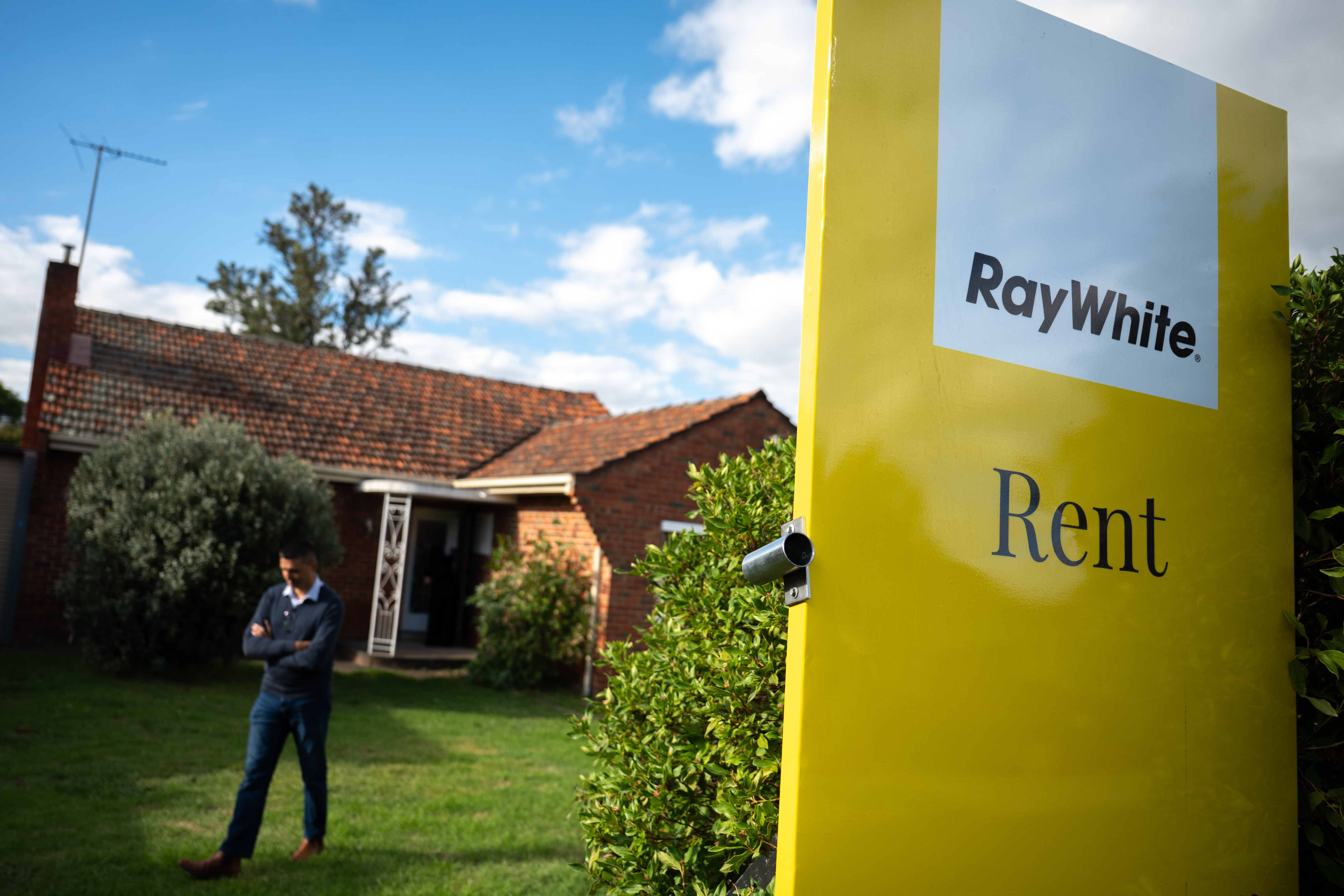
How much another rate hike will cost you, depending on the size of your mortgage
If the RBA lifts rates by 25 basis points to 4.85 per cent, how much it will cost you will depend on the size of your outstanding loan.
A borrower with $600,000 debt and 25 years remaining could face a $92-a-month increase as a result of the hike. Since the start of this year, that same borrower would be facing a cumulative $456 per month increase
If that mortgage rises to $800, they would need to find $123 a month ($607 since the start of 2026). And if that mortgage were a round $1 million, these borrowers would need to find an extra $153 per month, or $759 extra since rate hikes began in February.
Sally Tindall, data insights director at Canstar, said the “uncomfortable reality” was that the RBA didn’t quell inflation sufficiently when it had the chance after the pandemic.
“Rate hikes are always a bitter pill for borrowers to swallow. Now these households look set to be pushed to up the prescription for a fifth time this year,” she said.
“That’s going to translate into a very different Christmas for many households than the one they had even just last year.
“Borrowers feeling ripped off by the relentless rate hikes are right to question the RBA’s toolkit, but don’t expect a change any time soon.
“The central bank continues to rely on a single, blunt instrument – one that heavily penalises mortgage holders and cascades down to renters, while actively rewarding cashed-up savers.”