 Subscribe

Regional house prices fall nearly twice as fast as buyers turn cautious
Regional Australia was once immune from the peaks and troughs of the capital cities — until now.

- Cotality’s latest report found regional dwelling values fell 2 per cent in the three months to October, after a 1.1 per cent drop in the three months to July.
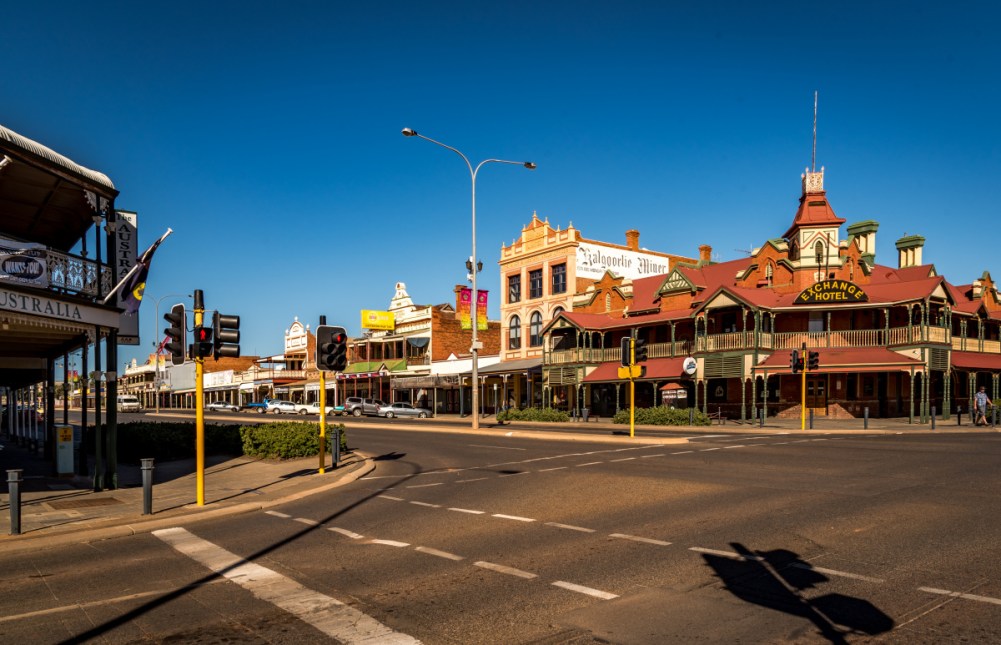
- Regional Queensland recorded the steepest fall at 2.7 per cent, while Kalgoorlie–Boulder in Western Australia posted the strongest growth at 3.4 per cent.
- Homes are taking longer to sell in 40 of the 50 largest regional centres, while gross rental yields rose to 4.4 per cent.
Regional home values have dropped 2 per cent in three months, almost double the previous quarter’s fall, as interest rate rises squeeze how much buyers can borrow.
Values across the 50 largest regional centres fell in the three months to October, according to the latest regional market update from property data firm Cotality.
The combined capitals fared worse over the same period, with values down 4.5 per cent.
The faster decline shows regional markets are now feeling the same strain as the cities, even as people keep moving out of the capitals.
“Regional markets have held up better than the capitals, but they’re not immune to the same pressures,” said Gerard Burg, Cotality Australia’s head of research.
“Some of the strongest performers of recent years are now recording substantial declines, while more affordable centres with stronger local economies are continuing to attract buyers.”
Burg said five interest rate rises, economic uncertainty and cost-of-living pressures had cut into borrowing capacity and buyer confidence.
Where are values falling fastest?
Regional Queensland led the country’s declines at 2.7 per cent, with Gold Coast–Tweed Heads down 3.7 per cent and Bundaberg down 3.1 per cent.
“Relative affordability had helped support demand in regional Queensland, but strong price growth has eroded some of that advantage,” Burg said.
Regional New South Wales (NSW) values dropped 2.1 per cent, dragged down by Ballina (3.9 per cent) and Wollongong (3.8 per cent).
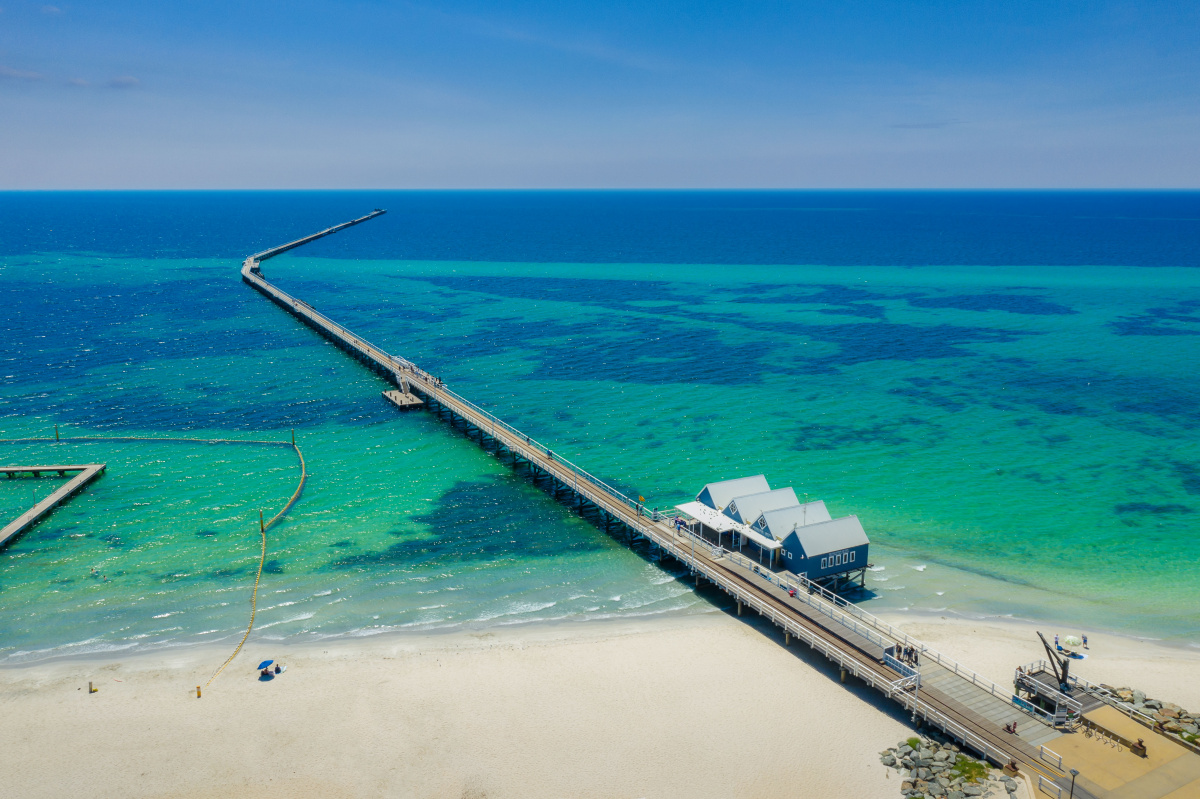
In Western Australia (WA), Busselton posted the largest fall of any of the 50 biggest regional centres at 4.1 per cent, after values in the state’s south-west climbed more than 77 per cent over five years.
Regional Victoria recorded a milder 1.5 per cent drop, which Burg put down to the state’s market already being weaker for longer than others.
Kalgoorlie–Boulder in WA topped the nation with quarterly growth of 3.4 per cent, up 24.1 per cent over the year.
Regional South Australia (0.1 per cent) and the Northern Territory (2.2 per cent) were the only regional state and territory markets to grow, driven by smaller towns outside the 50 largest centres.
Homes are taking longer to sell in 40 of the 50 largest centres, with Bowral–Mittagong in NSW the slowest at 70 days, while gross rental yields rose from 4.2 per cent to 4.4 per cent.
“Higher rental yields might look attractive, but much of the improvement reflects falling property values rather than stronger rental growth,” Burg said.
What’s next?
Burg expects higher interest rates to keep weighing on demand, which would leave regional markets performing more like the capitals.
“Buyers are undoubtedly more cautious, and there’s little urgency to buy so I’d expect regional conditions to remain softer in the short term,” he said.
Treasurer Jim Chalmers, whose negative gearing and capital gains tax changes the Opposition has blamed for the national downturn, said in Sydney on Tuesday there was “no one factor” behind the volatility in the housing market, urging people to judge the reforms “over a period of years rather than a period of the last few months.”
He said interest rate changes, broader economic conditions and the government’s tax changes were all at play.
Chalmers pointed to Commonwealth Bank data showing lending for first-home buyers “has almost doubled at the same time as lending for investors has almost halved.”
“So, you can see the beginnings of some of that progress but there’s a long way to go,” he said.
Topics: Property, Regional Australia