 Subscribe

Can Australia beat inflation without a recession?
Five interest rate hikes have proven difficult to bring inflation under control. Economists say Australia can avoid a downturn, but the path is narrowing.

- Australian households face further mortgage stress after five interest rate hikes this year, with inflation still running at 4.3%.
- Economists have drawn parallels with the oil shocks of the 1970s, warning that inflation could remain elevated as economic growth slows.
- Government spending restraint and tax reform could help ease inflation, reducing the pressure on the RBA to lift rates further.
Recession fears are growing as households are pushed further into mortgage stress after the Reserve Bank’s decision to hike interest rates earlier this month.
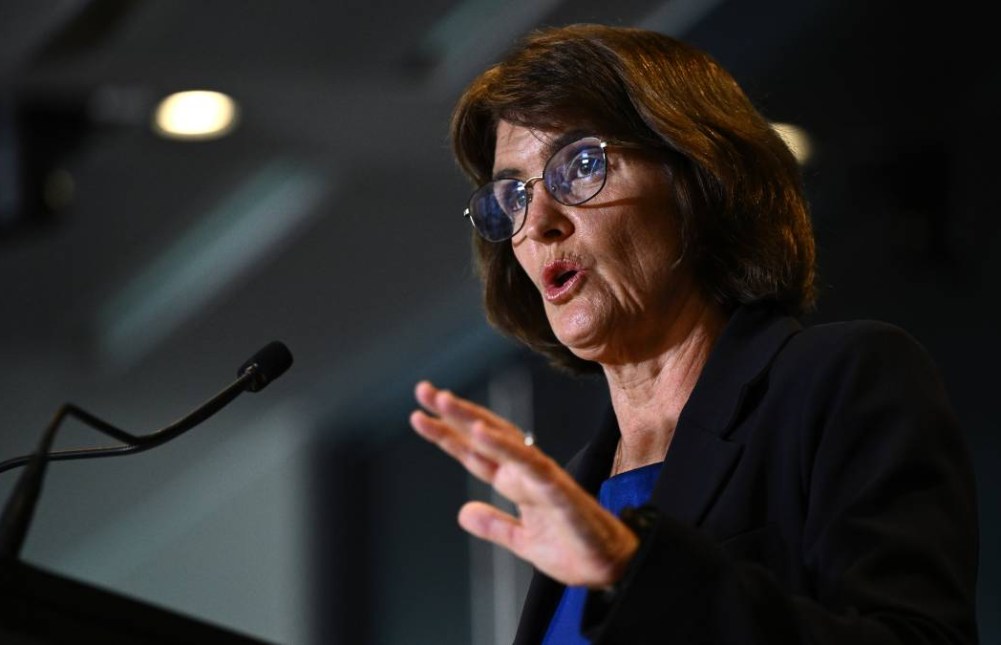
RBA Governor Michele Bullock reassured Australians that the central bank’s forecasts do not see the economy going into recession, but growth is expected to slow markedly.
Canstar’s analysis suggests the November hike adds about $107 a month to repayments on a $700,000 loan, bringing the cumulative increase across 2026 to about $532 a month.
Despite five hikes this year, inflation is still running at 4.3%, raising questions about how much more pain households will need to endure before prices are brought under control.
Economists say Australia can still bring inflation under control without falling into recession, but doing so will require a delicate balance between slowing household spending, keeping inflation expectations in check and avoiding a sharp rise in unemployment.
Why won’t inflation budge?
The RBA has historically used cash rate hikes to cool inflation by reducing spending and borrowing across the economy.
However, several factors have kept inflation elevated beyond the central bank’s 2–3% target range.
The problem dates back to the pandemic, when government stimulus and supply chain shocks pushed prices up worldwide.
Inflation subsequently eased in Australia, but has accelerated again this year as domestic demand pressures and rising oil prices, driven by conflict in the Middle East, added to the challenge.
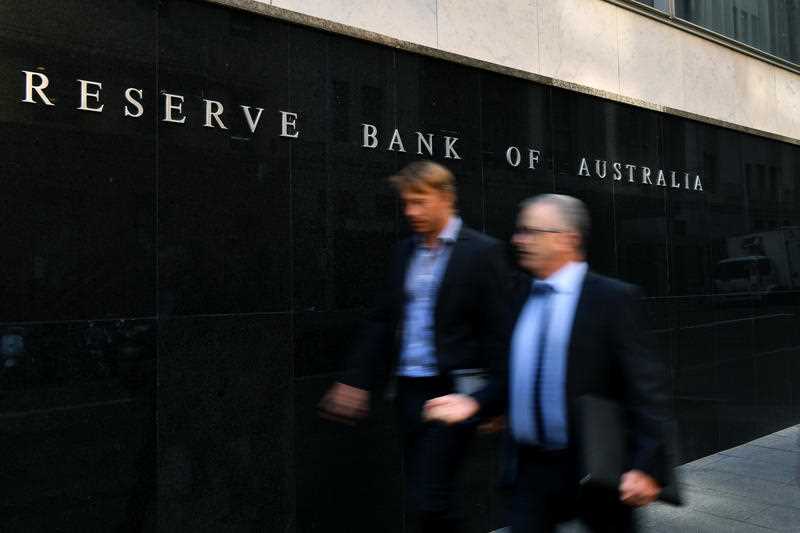
Bullock has acknowledged that interest rates cannot directly influence global oil prices, but said domestic demand continues to exceed what the economy can sustainably supply.
Critics, including Shadow Treasurer Tim Wilson, have pointed towards government spending as a contributing factor.
However, Treasurer Jim Chalmers rejects this blame, pointing to the RBA’s own finding that public sector demand was weaker than expected in early 2026, while promising fresh savings in next month’s budget update.
The challenge for the RBA is that higher interest rates take time to work, with the full impact of this year’s increases yet to flow through the economy.
Is this the 1970s all over again?
A Middle East oil shock, already elevated inflation, and a central bank trying to cool prices while economic growth weakens are all key similarities.
Crude oil rose from roughly US$66 a barrel before the US strikes on Iran in late February 2026 to more than US$113 earlier this year.
That echoes a similar string of events in the 1970s, including the 1973 oil embargo and the 1979 Iranian revolution, which sent energy prices soaring worldwide.
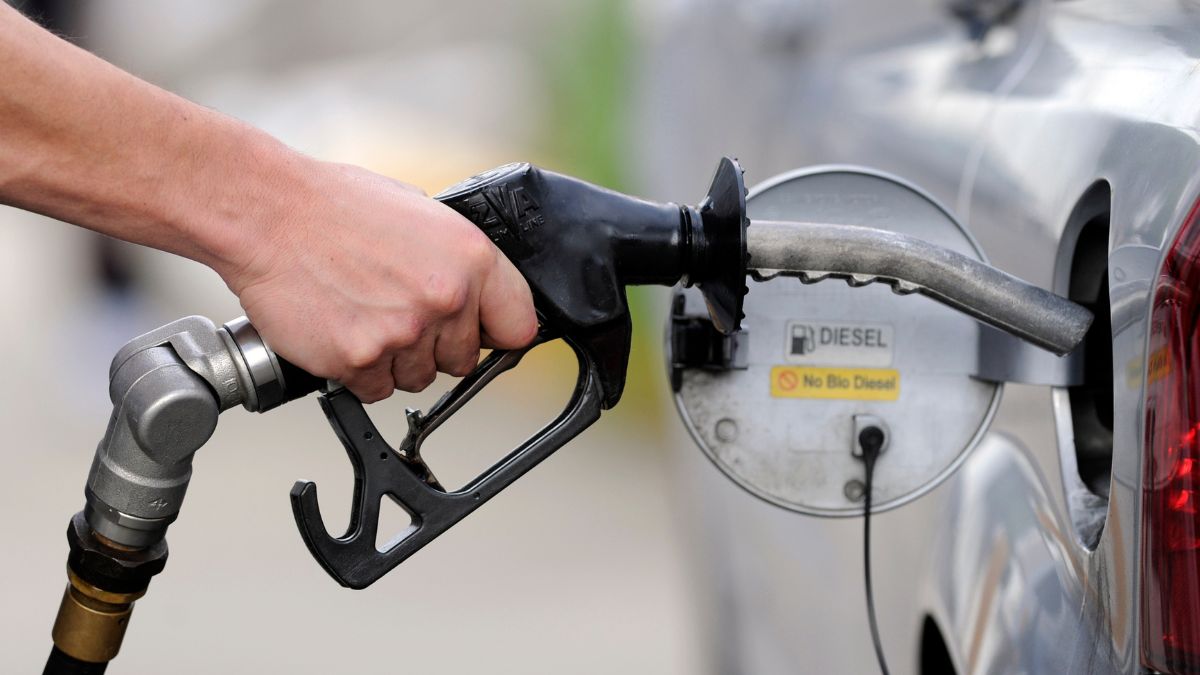
The danger then was that higher prices became entrenched, forcing central banks to take increasingly aggressive action to bring inflation under control.
Today’s economy is different, with the RBA operating under an explicit inflation target and seeking to prevent expectations of persistently higher prices from taking hold.
Recession or soft landing?
The RBA now forecasts underlying inflation will not fall below 3% until the end of 2027, according to its latest Statement on Monetary Policy. This is six months later than previously forecast.
Despite recession fears, Dr Shane Oliver, chief economist at AMP, said evidence shows previous RBA hikes are starting to work.
“There is now increasing evidence that rate hikes are working to slow demand, which will slow inflation,” Oliver said, adding that he expects the RBA to leave rates on hold for an extended period.
The RBA is also counting on a slowdown rather than a recession, with weaker household spending and economic growth expected to gradually reduce inflationary pressure.
But even without a recession, Australians could face rising unemployment, slower wage growth and continued pressure on household budgets.
Mark Verhoeven, an investment manager at Impact, said Australia so far has avoided a technical recession, commonly defined as two consecutive quarters of falling GDP.
“However, future recession risk is growing more and more as households begin to feel the pinch from higher rates, as well as a growing sense of wealth loss as home values stagnate or in some cities decrease,” he said.
“Fiscal policy could hold the key to a soft landing on inflation, but that requires political courage; cutting spending is often a hard sell to voters.”
Is there another solution?
HSBC economists Paul Bloxham and Jamie Culling have argued that tighter federal and state fiscal policy would help return inflation to target and reduce the need for further RBA tightening.
“Priorities include keeping the May-budget NDIS slowdown on track, limiting off-budget spending, subsidies and tax breaks, and restraining public-sector hiring and wages.
“Because many pressures are structural, options also include more targeted policy and tax reform, including higher consumption taxes.”
Reducing government spending could help lower demand across the economy, while higher taxes could also reduce spending without relying entirely on interest rate increases.
However, both approaches would come with trade-offs for households, businesses and public services.
Other measures, including policies to improve productivity and boost housing supply, could also ease price pressures by increasing the economy’s capacity to meet demand, although their effects would take longer to emerge.
“Without slower spending or higher taxes, the RBA must do most of the work, risking a deeper downturn or recession,” Bloxham said.
So does Australia need a recession to beat inflation?
Not necessarily.
The RBA’s forecasts suggest inflation can return to target without the economy falling into recession, provided spending slows enough to ease price pressures without triggering widespread job losses.
But avoiding a recession won’t necessarily mean avoiding further economic pain.
Higher unemployment, weaker wage growth and elevated mortgage repayments could still leave households worse off.
And without some relief from inflationary pressures, the RBA could be forced to raise rates further, increasing the risk of a more severe downturn.