 Subscribe

Is the department store dead? What retailers need to do to survive
David Jones is wallowing in administration, yet Kmart is booming. Why do some department stores thrive while others die off?

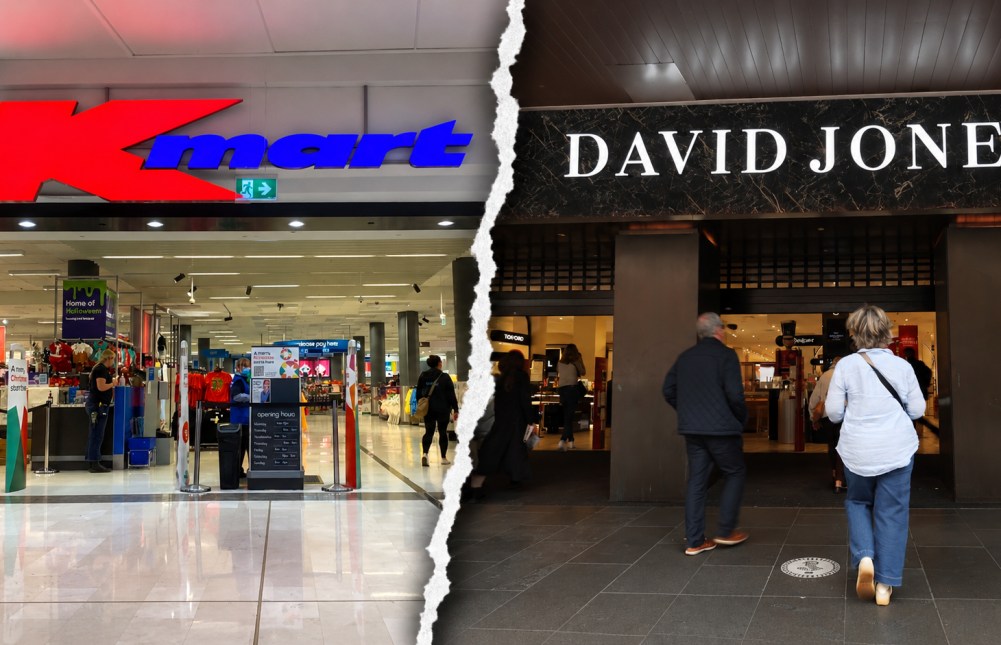
- David Jones could be the canary in the coal mine for traditional department stores, but that doesn’t mean the experience is dead.
- Whether it’s cut-price shopping at Kmart, DIY building at Bunnings or oysters at David Jones, department stores need to focus on the customer’s experience to survive.
- Retail experts say David Jones can survive if it cuts back on stores and goes back to old-school glamour and service.
The news of David Jones’ collapse into administration came like the death of a monarch to many shoppers who always placed the department store atop the throne of Australian retail.
From Boxing Day sales to race day shopping, David Jones was the epitome of destination shopping: From the moment a man with white gloves opened the door to the soft piano being played live, a trip to the city wasn’t complete without a visit to the grand dame of retail.
But like many traditions, David Jones failed to move with the times.
“It was a slow death,” retail expert Professor Gary Mortimer told The Money Edition. “At first we had all these little mini stores and brands and categories all under one roof.
“Then as we started to move into the 70s and the 80s, the traditional department store started to become less trendy and less relevant.”
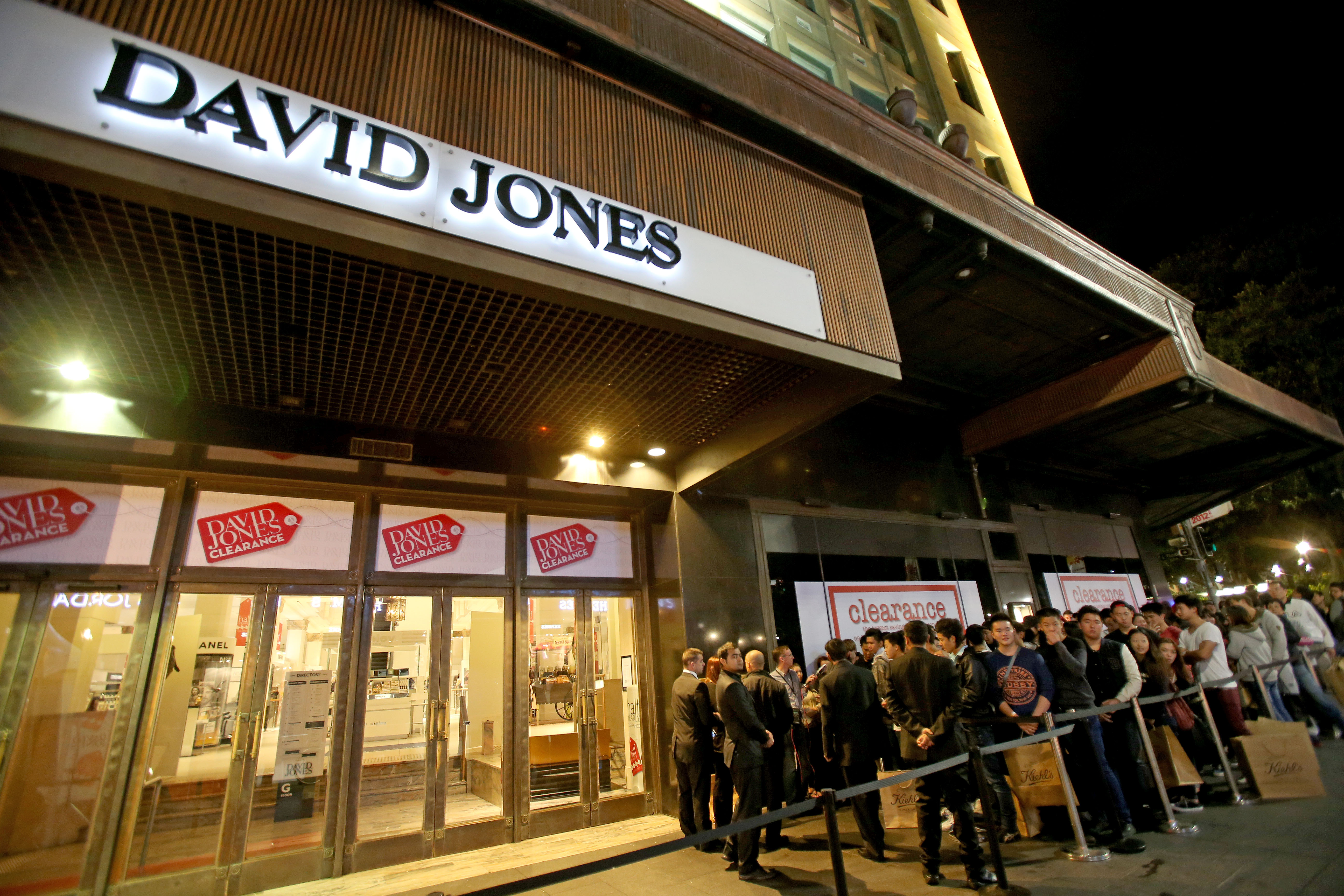
As Mortimer explained, it wasn’t necessarily the products David Jones offered that hurt it as a department store; it was the lack of hyper-specialisation.
“The first thing we saw was the growth of category killers or specialist retailers. Today, it’s Bunnings, it’s JB Hi-Fi, it’s Harvey Norman, it’s Rebel Sport,” he said.
“In the past, you would have gone to a department store to buy school shoes. Now you go to an athlete sport, or you go to Rebel Sport to buy those. So that was the first hit.”
And the second hit? An almost churlish reluctance to adopt online shopping.
In the early 2000s, during the height of the dot-com boom, and the same e-commerce rush that spawned the now-juggernaut Amazon, David Jones’ leadership believed that consumers would never go for online “carts” that had no emotion or experience attached to them.
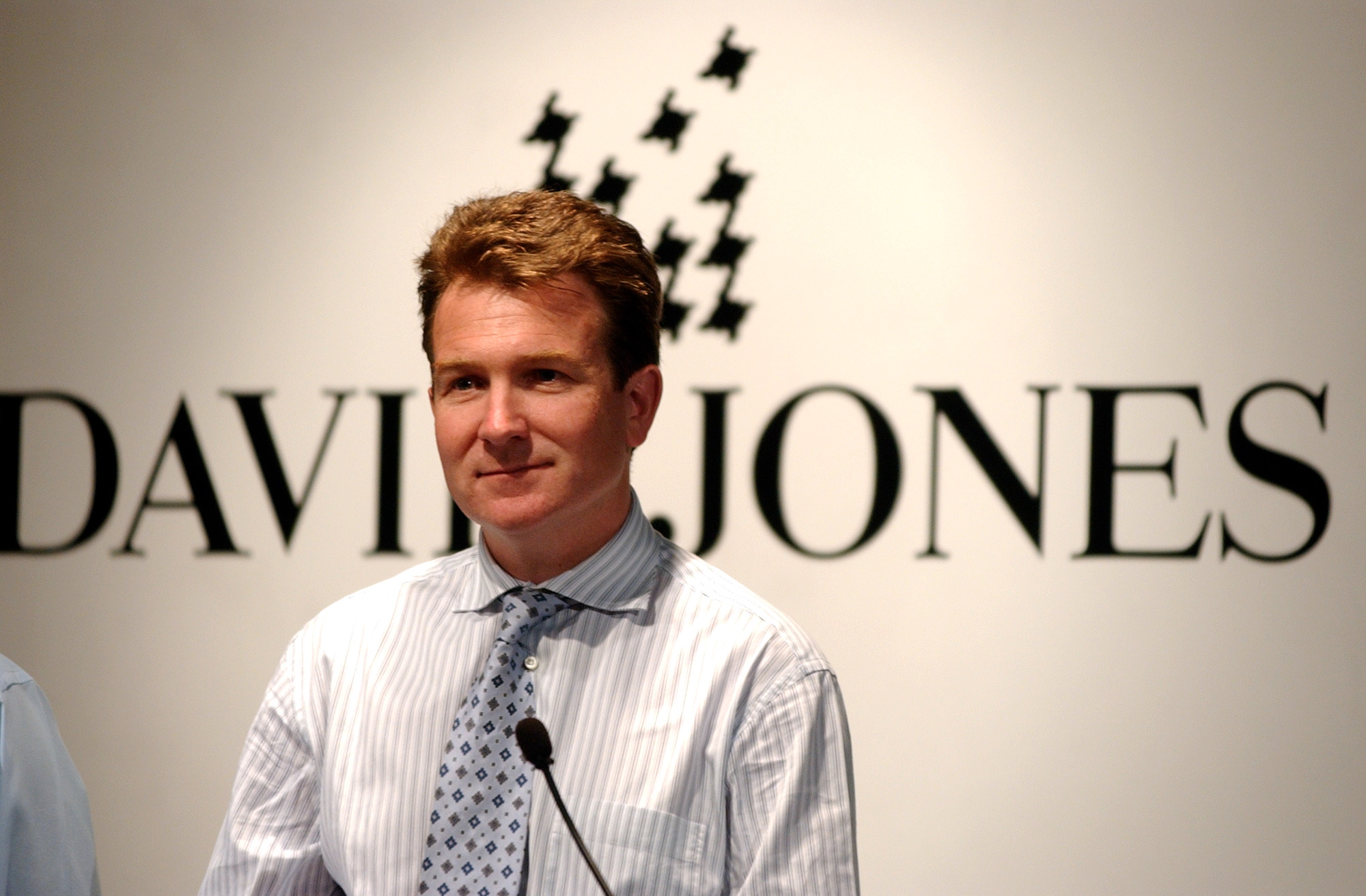
CEO Mark McInnes rejected investment in online shopping, and instead doubled down on physical storefronts.
“Our business is predominantly an apparel business or soft goods business and the concept of retail therapy is alive and well,” he told the media in 2008.
“People like to go shopping, and you’ve got to try things on to see the way they look. And from our perspective that’s everything.”
What’s more, the exclusive luxury brands that David Jones prided itself on were suddenly opening up their own storefronts, leaving the department store in a retail “no-man’s land” between cut-price products and luxury experience.
“The next thing we saw happening in the last sort of 20 to 30 years was retail brands that you once went to the department store to access were becoming retailers in themselves,” he said.
“So in the past, you’d walk into a David Jones store, you could buy Chanel handbags and sunglasses.
“But then you could also do that at the Chanel store directly.”
So is the department store dead?
Yes … and no. Despite a rapid uptick in online shopping, some sell-all retailers are still thriving.
In August, discount retailer Kmart reported $11.75 billion worth of sales, up 11 per cent from the year prior.
Hardware giant Bunnings — which started as a tool shop but now also offers automotive, cleaning and pet departments — raked in $20.4 billion in revenue, up 4.1 per cent.
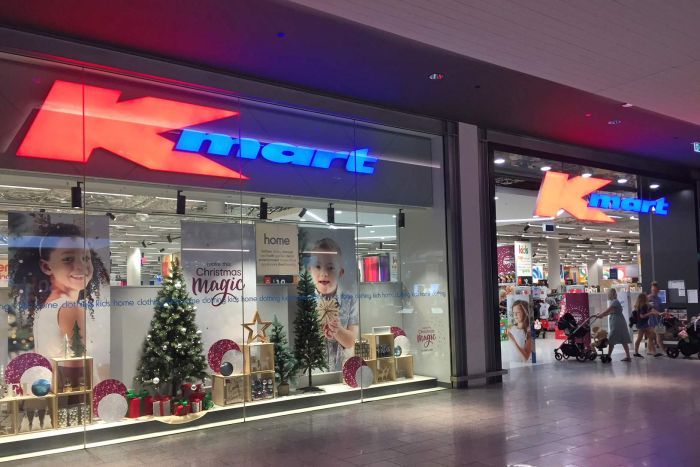
Mortimer said it wasn’t just in the price point. It was in the experience itself.
“Online shopping is great. It’s convenient. It’s one click, and it gets to my house the next day, which is great,” he said. “But it’s purely transactional. It’s not experiential.”
“So, you know, if I’m going to buy an expensive watch or a pair of sunglasses or a tailor-made suit, I want to go in, I want to have a glass of champagne, I want to talk to the sales team, I want a really well-fitted, well-lit change room,” he added.
“I want that experience.”
So what’s the key to David Jones’ revival then?
Reduce the number of stores, move upmarket, and make it exclusive, like the old days.
Mortimer said it was ironic, but the solution to the department store’s woes might actually be going back to what it did best.
“While there’s been no announcement on specifically which stores will close, I think the administrator will look to close a number of stores and get David Jones back to somewhere between 12 and 15 stores,” he said.
“They’ll be in CBD locations; they’ll be in flagship shopping centres. And you will walk in, and there will be a doorman that will open the door and welcome you into the store.
“There will be champagne and oyster bars. You’ll have high tea on level four.
“It’s going back to the future of what David Jones was in the 40s and 50s. There needs to be some exclusivity to it.”
Topics: Australia, David Jones, Retail