 Subscribe

Lamb prices set to stay high for years as nation’s sheep flock nears record-low
Rabobank’s latest research shows Australia’s sheep flock fell to its second-lowest level in more than 100 years in 2026.

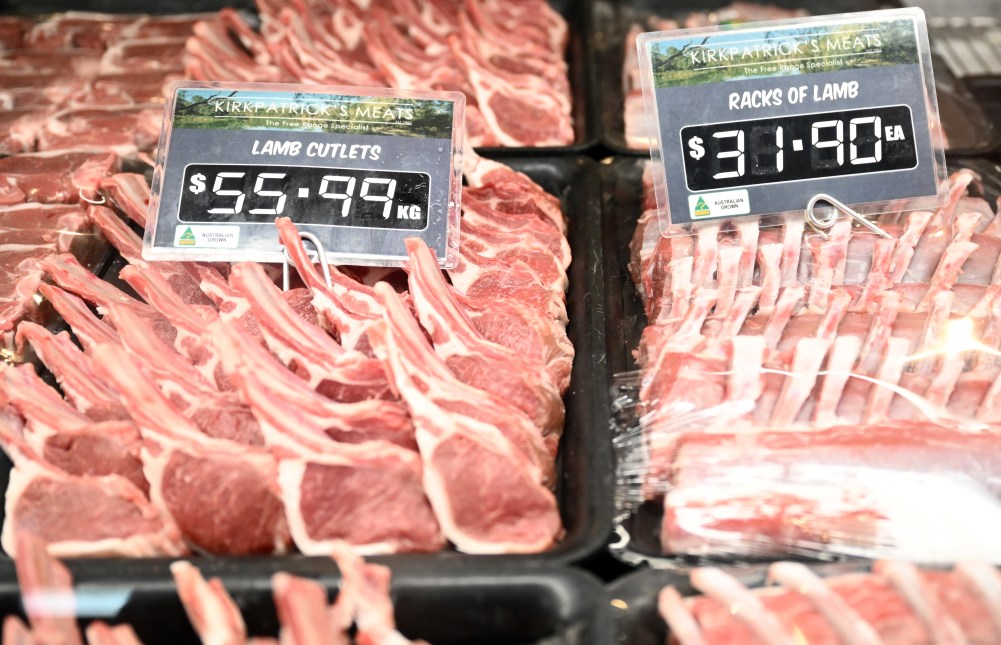
- Rabobank’s latest research shows Australia’s sheep flock fell to its second-lowest level in more than 100 years in 2026.
- Lamb prices are expected to stay near current strong levels for several years, and even a strong flock rebuild is unlikely to push them below today’s levels.
- High restocking costs and the availability and cost of labour are holding back flock expansion, the bank said.
Lamb prices are set to stay high for years, as Australia’s sheep flock sits close to record lows after “profound structural change over recent decades.”
Rabobank’s latest research report found the national flock has shrunk to its second-lowest level in more than 100 years, leaving the industry at an “important inflection point.”
Sheep and lamb prices have already hit record highs, and the bank expects lamb to hold near current levels over the next several years.
Australia is the world’s largest exporter of both sheepmeat and wool, and strong global demand, limited competition and tight supply have created some of the sector’s best conditions in years, says RaboResearch senior animal proteins analyst Angus Gidley-Baird.
“The question now is whether those conditions will be enough to encourage widespread flock rebuilding,” he said.
“While there are certainly individual producers looking to grow numbers, the feedback we are hearing across the industry suggests the appetite for large-scale rebuilding remains relatively subdued.”

Why the flock won’t bounce back
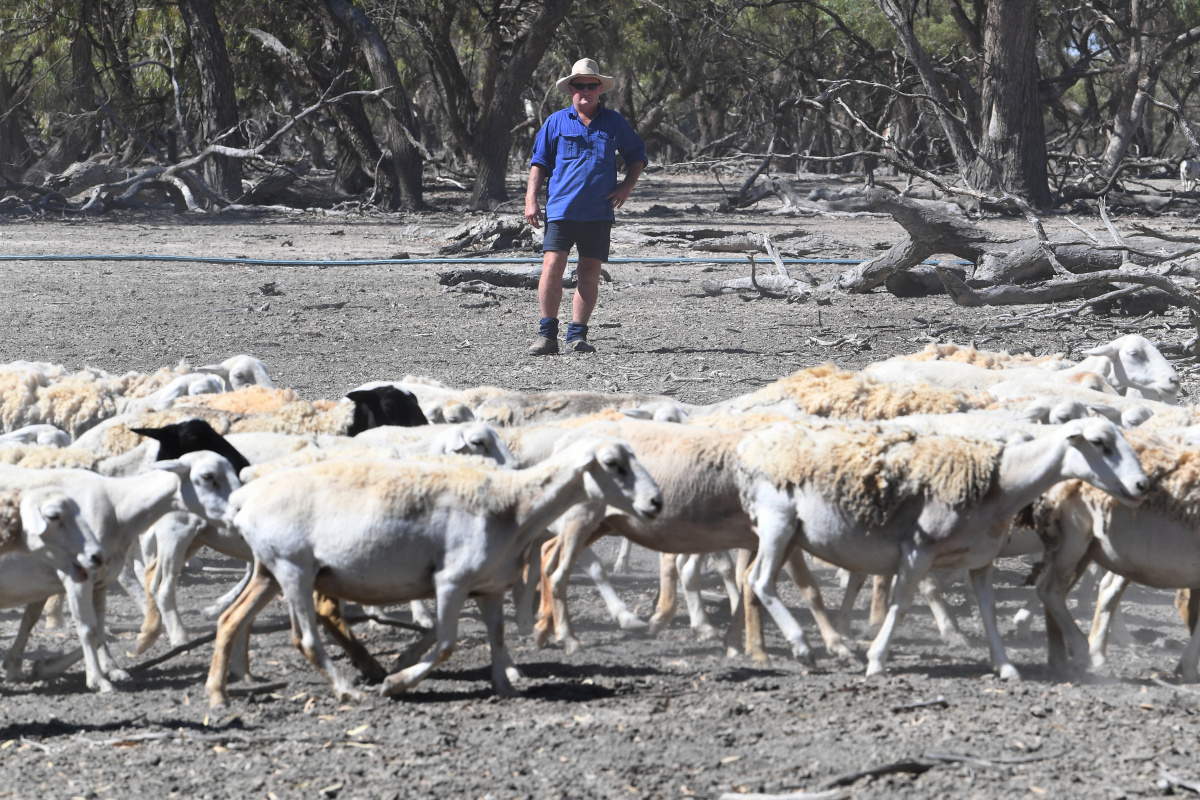
Australia’s flock has dropped from a peak of 180 million head in 1970 to around 66 million today, among the lowest counts since the early 1900s, the report said.
Seasonal uncertainty, high restocking costs and the availability and cost of labour were all holding back flock growth, with labour intensity being “one of the key reasons we don’t expect a material increase in flock numbers over the medium term,” the analyst said.
RaboResearch modelling suggests the breeding flock could grow by around 6 per cent between 2026 and 2030 in an average season, though overall industry growth is tipped to stay modest.
Prices to hold firm
“Higher prices would normally trigger a strong supply response, but in this case, we expect structural constraints to continue limiting expansion,” Gidley-Baird said.
Even if farmers rebuilt strongly, the report said lamb prices would be unlikely to fall below today’s levels.
Demand outpacing supply
Global sheepmeat consumption is set to grow by almost 2 per cent a year to 2030, according to Organisation for Economic Co-operation and Development and Food and Agriculture Organization of the United Nations (OECD-FAO) projections cited in the report.
Global sheepmeat imports are forecast to rise by more than 70,000 tonnes between 2026 and 2031, while key exporters including New Zealand, South Africa and the United Kingdom are not expected to significantly increase exportable supply.
Wool prices have also returned to highs not seen since 2019, and while Gidley-Baird said wool’s demand outlook was “less certain” than sheepmeat’s, he said its renewable and sustainability attributes helped it compete with synthetic fibres.
With flock numbers expected to stay fairly stable, he said future growth was likely to be driven by improvements in genetics, reproductive performance, management practices and technology, while clearer quality signals could add value to existing production.
“The industry’s opportunity is not simply to produce more,” the analyst said.
Topics: farming, Food, Grocery costs