 Subscribe

Chance of Melbourne Cup rate hike lifts after grim RBA warning
The chance of a Melbourne Cup rate hike has increased after the RBA deputy warned the economy is "materially worse" than expected.

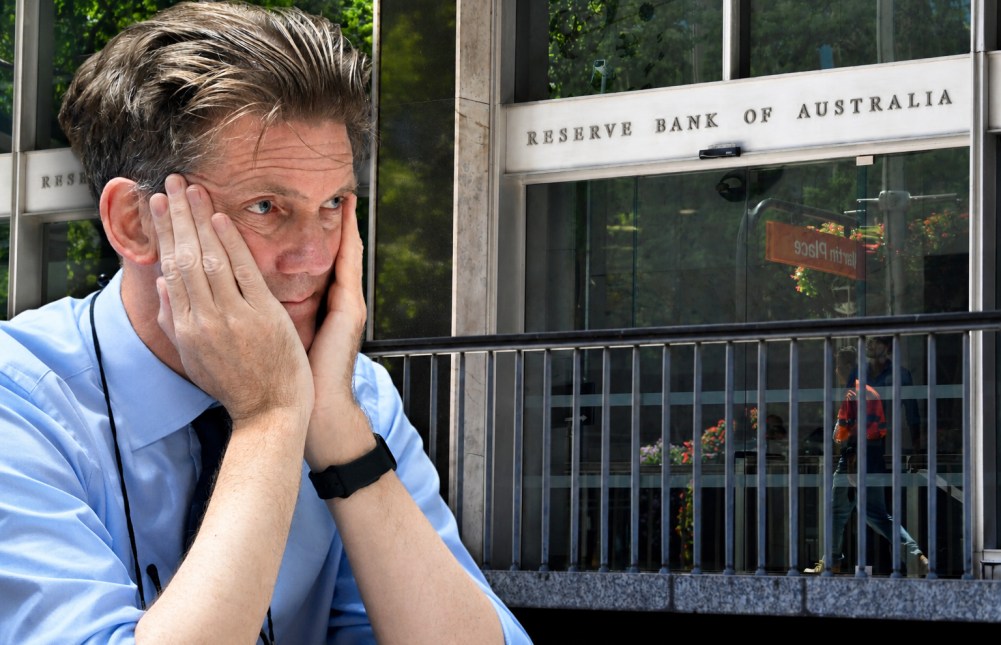
- The chance of a fifth interest rate hike on Melbourne Cup Day has increased following a warning from the RBA’s deputy governor.
- Speaking at a conference this morning, RBA deputy Andrew Hauser reminded the audience that the outlook was “materially worse” than the bank had forecast.
- He did not say whether the bank would raise rates, but warned that the risk of inflation becoming entrenched was far greater than any short-term rate hikes.
The chance of a fifth interest rate hike this year on Melbourne Cup Day has increased after the deputy governor of the Reserve Bank of Australia (RBA) warned that the economic outlook is “materially worse” than expected.
Speaking at Citi’s Australia & New Zealand Investment Conference on Wednesday, RBA Deputy Governor Andrew Hauser warned that the general public must believe the central bank can reduce inflation.
“The basic fact is that inflation’s been high for a very long time now,” Hauser said.
“We are beginning to see some signs that some people in the community are not sure if we’re going to bring inflation back into target at all, or certainly not for an extended period.
“There is an increasing share of businesses who are thinking that maybe 3 per cent, 3.5 per cent is the new normal. And look, that is the central banker’s nightmare.”

The RBA’s inflation target range is 2 to 3 per cent. The latest reading showed the nation’s consumer price index (colloquially known as inflation) at 4.0 per cent.
Hauser said the RBA was facing “hard choices” as it looked to balance downside momentum in the economy by raising rates with the long-term cost of leaving rates where they are.
“It’s a continuous challenge to explain this. The reason is that even though we are laying shorter-term pain on top of pain, is to prevent a longer and potentially far worse pain down the track if inflation expectations get locked in,” he said.
“These are not easy communication challenges. They’re not easy to explain to people or businesses.
“And yeah, it makes central banks work a little tougher.
“I’m not complaining, but we’re all facing that at the moment.”
Hauser sits on the RBA’s Monetary Policy Board and will be one of the voices in the room when the board meets on November 2 to start discussing the cash rate.
The following day, on November 3, the board will announce its decision approximately 30 minutes before the Melbourne Cup kicks off.
The RBA has raised rates eight times on Melbourne Cup Day (and cut them five times), with the two events meeting on the same afternoon being nothing more than a coincidence.
Forecasts for the decision are mixed among Australia’s biggest banks.
ANZ and Westpac expect another hike on November 3, taking the cash rate to 4.85 per cent, while CBA and NAB were more cautious, loosely predicting a hold but acknowledging the risk of a rate hike was increasing.

What would another interest rate rise cost you?
If interest rates were to rise again by 0.25 basis points to 4.85 per cent, some households may need to find an extra $100 a month to meet their repayments.
Canstar analysis of the average owner-occupier paying principal and interest with 25 years remaining shows that on a loan of around $700,000, a rate hike in November could push repayments up by $107 a month.
Over 2026, the cumulative increase from a fifth interest rate hike would mean borrowers with the same $700,000 loan would have to find an extra $532 a month compared to last year.
For borrowers with bigger loans, around $1 million, a fifth interest rate rise would increase their monthly repayment by $153, and their cumulative repayment over five interest rate hikes in 2026 by an eye-watering $759 a month.
Topics: Inflation, Interest Rates, RBA