 Subscribe

‘High levels of anxiety’: How NAB workers found out about redundancies
Thousands of NAB staff found out by email on Tuesday morning that the bank was laying off thousands of workers, with 'meetings to follow'.

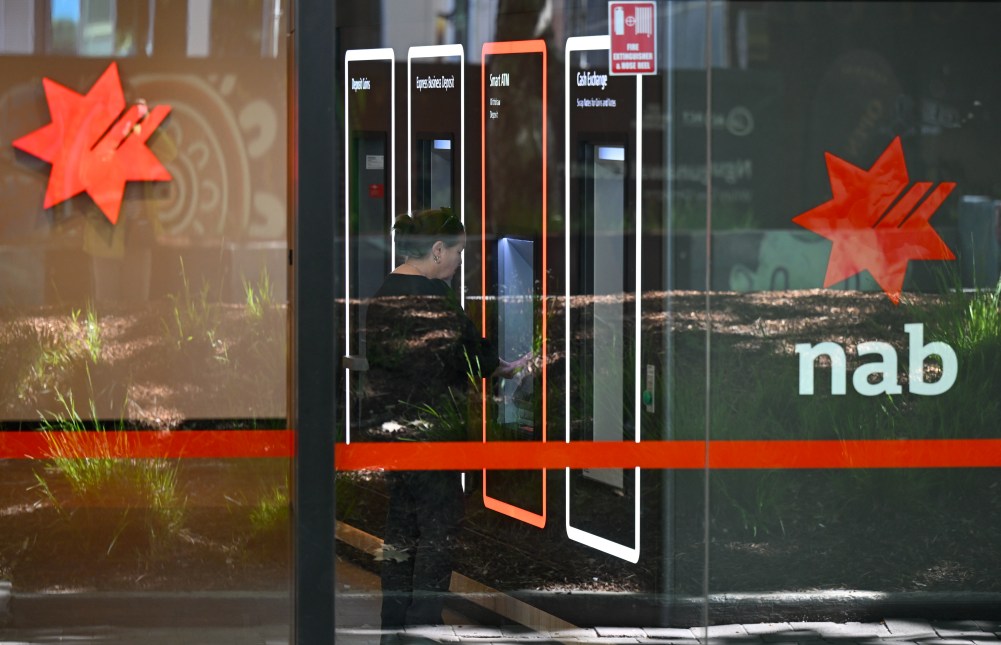
- NAB staff were informed of the bank’s decision to lay off thousands of workers by email on Tuesday morning, at the same time a release went to shareholders.
- The Finance Sector Union (FSU) says staff were already reporting “high levels of stress and anxiety” prior to the layoffs.
- Around 1,500 workers will be made redundant by Christmas, with another 1,000 by the end of the financial year.
Thousands of NAB employees learned they were losing their jobs through an email sent on Tuesday morning, with most affected staff expected to leave by Christmas.
The email, sent at the same time a notice was posted to the ASX for shareholders, told staff of the general changes the bank was making, but did not single out departments or roles.
“Hi everyone. Today I am sharing an important update about changes at NAB,” CEO Andrew Irvine wrote in an email, obtained by The Money Edition.
The email then outlines, in words not dissimilar to the ASX notice, how the bank was simplifying its operating model to “better align the workforce.”
“In FY27 we expect to reduce our internal workforce by up to 2,500 roles, including up to 1,500 roles before the end of 2026. We will also materially reduce our use of consultants and external contractors,” the email continues.
“Senior leaders have been briefed on these changes.
“You may receive a meeting request over the next few days so that leaders can speak privately with affected colleagues.”
Are you a NAB worker impacted by the cuts? Contact me at [email protected].
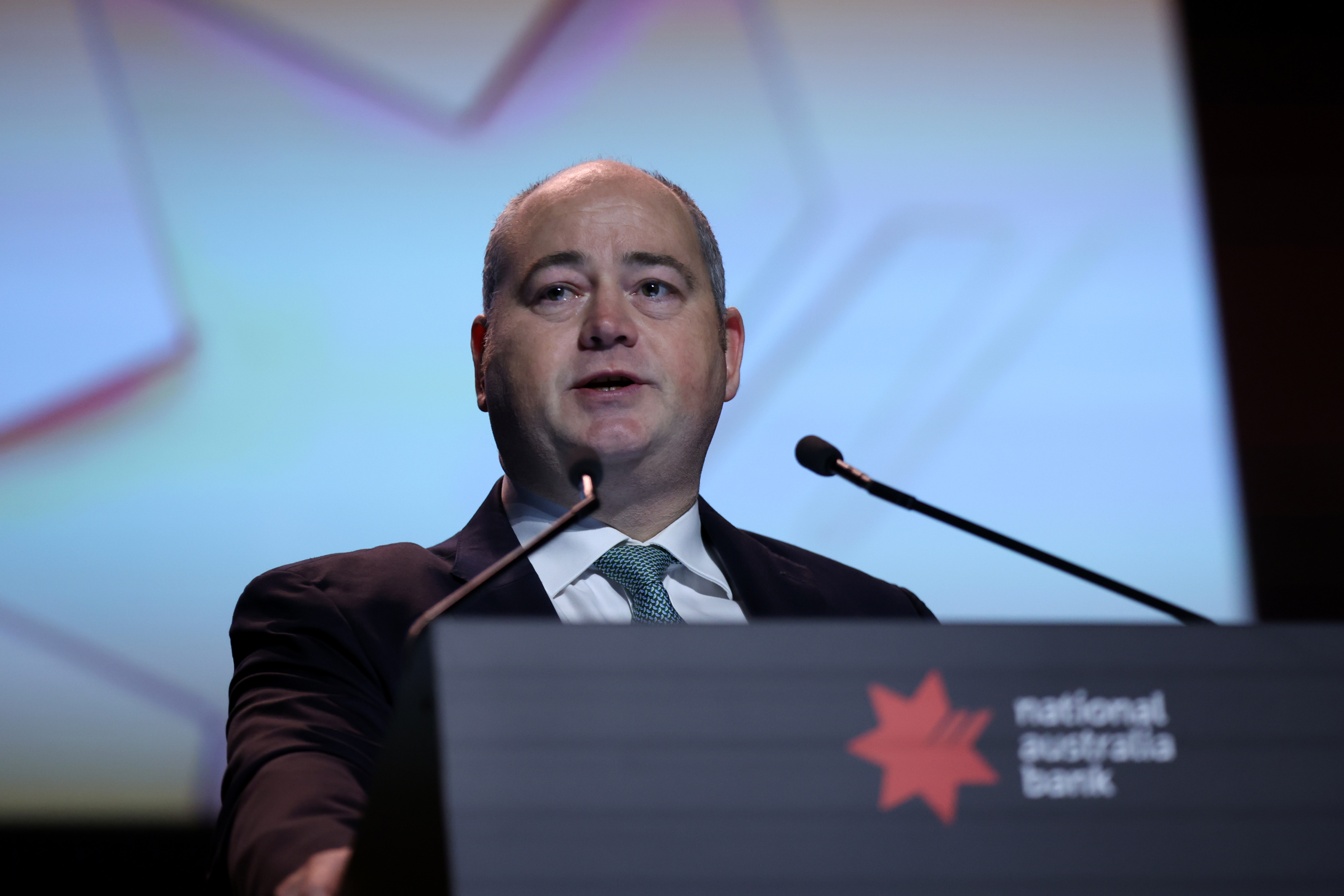
The Finance Sector Union said the decision to lay off thousands of workers, about 6 per cent of NAB’s workforce, came at a time when staff were “already reporting high levels of stress and anxiety from unbearable workloads.”
“NAB staff have suffered a year from hell after previous cuts and were no doubt looking forward to a break from the doom and gloom over Christmas,” FSU National Assistant Secretary Nicole McPherson said.
“Instead, their holiday cheer has been replaced with uncertainty over their futures.
“The actions of NAB management are despicable and have been compounded by the contemptuous way they have kept their workers in the dark.”
The union and NAB met Tuesday morning, a meeting the union says Irvine did not attend.
At the meeting, management did not specify which roles would be cut or confirm whether the cuts were due to AI.
NAB silent on whether layoffs caused by AI
Many have speculated that the layoffs come amid an industry-wide rollout of artificial intelligence programs designed to take over menial tasks by bank workers.
In its official statement yesterday, NAB said the restructure would, in part, help it adjust to “rapid technological change”.
But it did not specifically mention AI. The Money Edition has not received comment from the bank despite repeated requests.
In late August, at the 2026 NAB Business Summit, Irvine said that “organisations who do not adapt to AI will fall behind.”
“I know much of the narrative around AI has been about the impact to jobs, and about the impact to the jobs of our children,” he said.
“Just like with previous industrial revolutions, some roles will go. Some roles will change. And new roles will be created.”
In the speech, he hinted that NAB would not be spared, nor would it shy away from AI-driven changes.
“Decades ago, NAB employed thousands of bank tellers, thousands of administrative clerks, and we had large typing pools. Today, we employ more colleagues than we did then,” he said.
“The point is, our workforce is always changing. What is important is that we help Australians run to AI, not from it, learn how to use it to be better at their work and teach them the skills they need to be future-fit.”