 Subscribe
Major egg producers accused of ‘cartel conduct’ over pricing
Australia's competition watchdog has filed proceedings against some of the largest egg producers, alleging they engaged in cartel conduct.
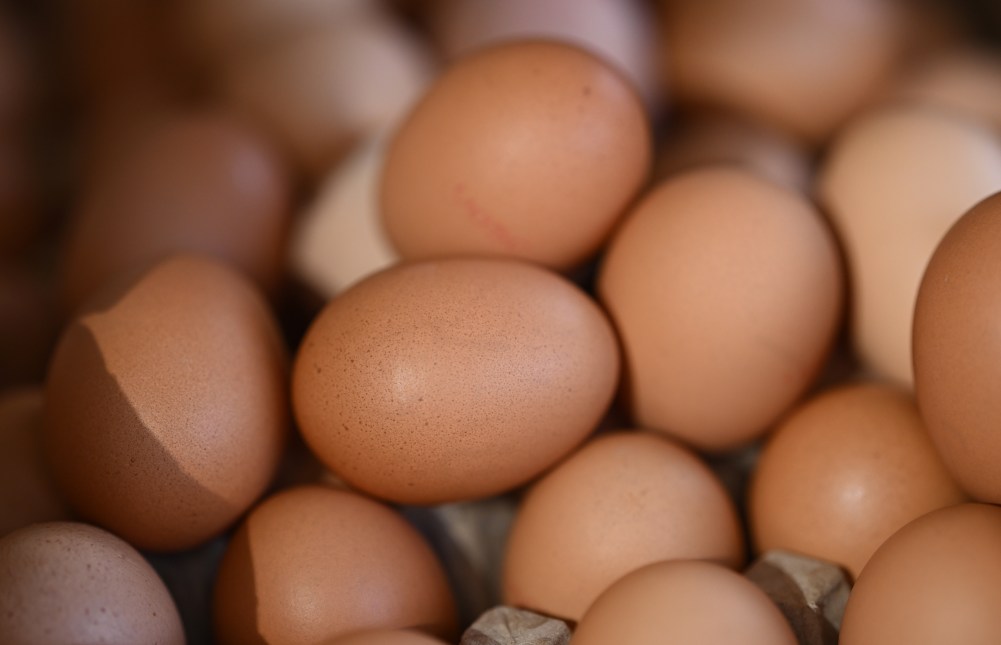
- Australia’s biggest egg supplier Sunny Queen and 11 other egg producers and suppliers are alleged to have breached competition laws by engaging in “cartel conduct”.
- The ACCC filed civil proceedings against the producers, alleging they conspired to maintain or control market growth.
- Eggs are an important consumer staple, with Australians consuming an annual average of over 250 eggs per person.
Australia’s competition watchdog has filed civil proceedings against some of the nation’s largest egg producers, alleging they engaged in cartel conduct to maintain favourable business conditions.
On Tuesday, the Australian Competition and Consumer Commission (ACCC) commenced civil proceedings against Sunny Queen and 11 related egg producers and suppliers, alleging they coordinated output, culling, and expansion from at least October 2020.
The watchdog also alleged the producers decided together how many eggs to produce, when to cull hens and who got to expand.
The filing claims the producers engaged in practices such as cutting cage-egg supply and dividing further cuts as recently as November 2025.
The regulator says it is the first time it has alleged a concerted practice in court since that ban took effect in 2017.
“These companies are alleged to have coordinated in a range of decisions about their business operations, including the retailers each business could supply, what volumes they could produce and when to cull birds to manage periods of perceived over-supply,” ACCC Chair Gina Cass-Gottlieb said.
Sunny Queen supplies roughly a third of eggs sold to Australian retailers in a market the regulator says only a handful of large suppliers dominate.
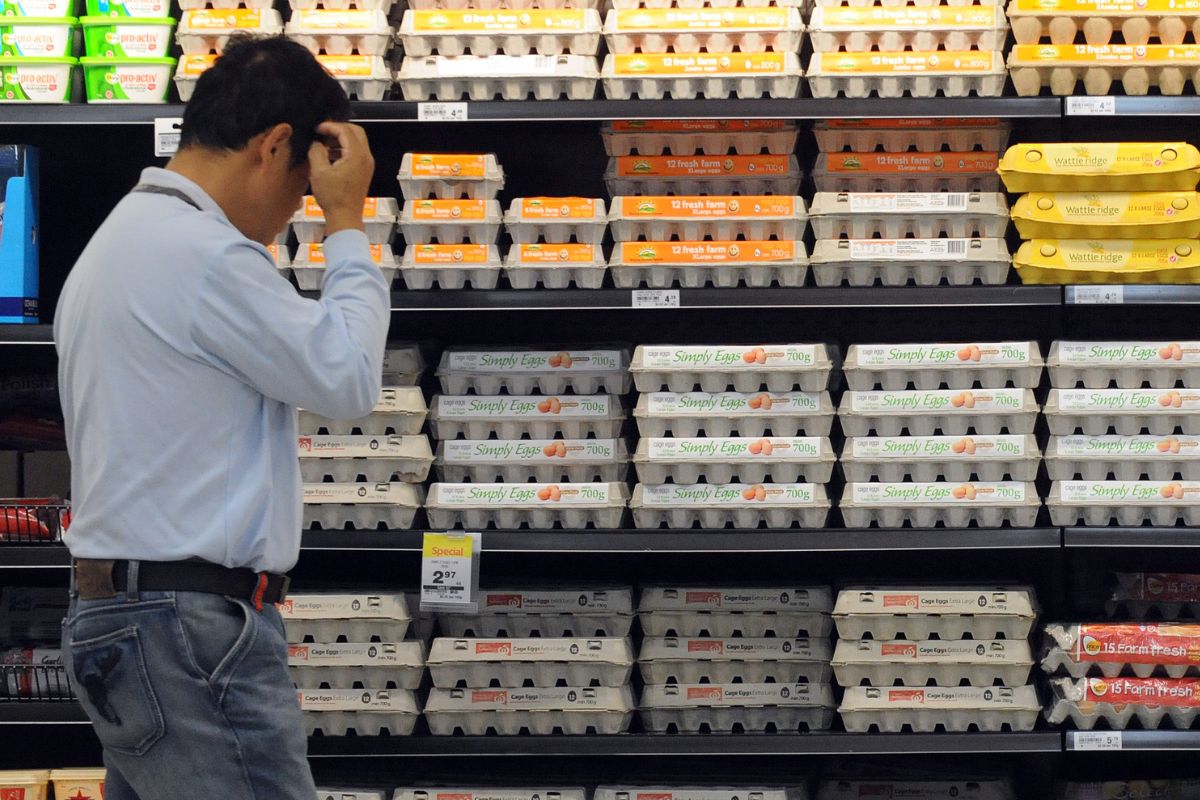
“Anti-competitive conduct disadvantages Australian consumers, who can face reduced choice and higher prices, as well as those businesses seeking to compete fairly or who are seeking to enter markets to provide competing supply,” Cass-Gottlieb said.
The ACCC’s court filing alleges that since at least October 2020, farming groups Hall and McLean “have used their jointly owned Sunny Queen business to coordinate decisions about production, pricing and supply of shell eggs”.
According to the filing, the two groups sold almost all their eggs through Sunny Queen, shared forward production plans and were paid under a common farm-pricing method.
When Sunny Queen needed more eggs, or wanted fewer, Hall and McLean allegedly split the growth opportunities and the output cuts “equitably” between themselves.
This left “little or no competitive rivalry between Hall and McLean as a result of their coordination,” the filing says.
The two groups allegedly agreed to cut cage-egg supply by 200,000 dozen each in December 2021, and divided further organic and free-range cuts between themselves as recently as last November.
Rival producer Kinross Farm was allegedly barred under a December 2020 supply deal from selling to major retailers including Coles, Woolworths and Aldi.
Hall and McLean also allegedly agreed, through a jointly owned company, to buy Queensland’s Yarranlea egg farm by February 2021, a purchase the ACCC says was meant to keep it from rivals.
The regulator is seeking declarations, penalties, injunctions and costs.
The Money Edition has reached out to Sunny Queen and Kinross Farm for comment.