 Subscribe
ATO to delay credit card ban after business backlash
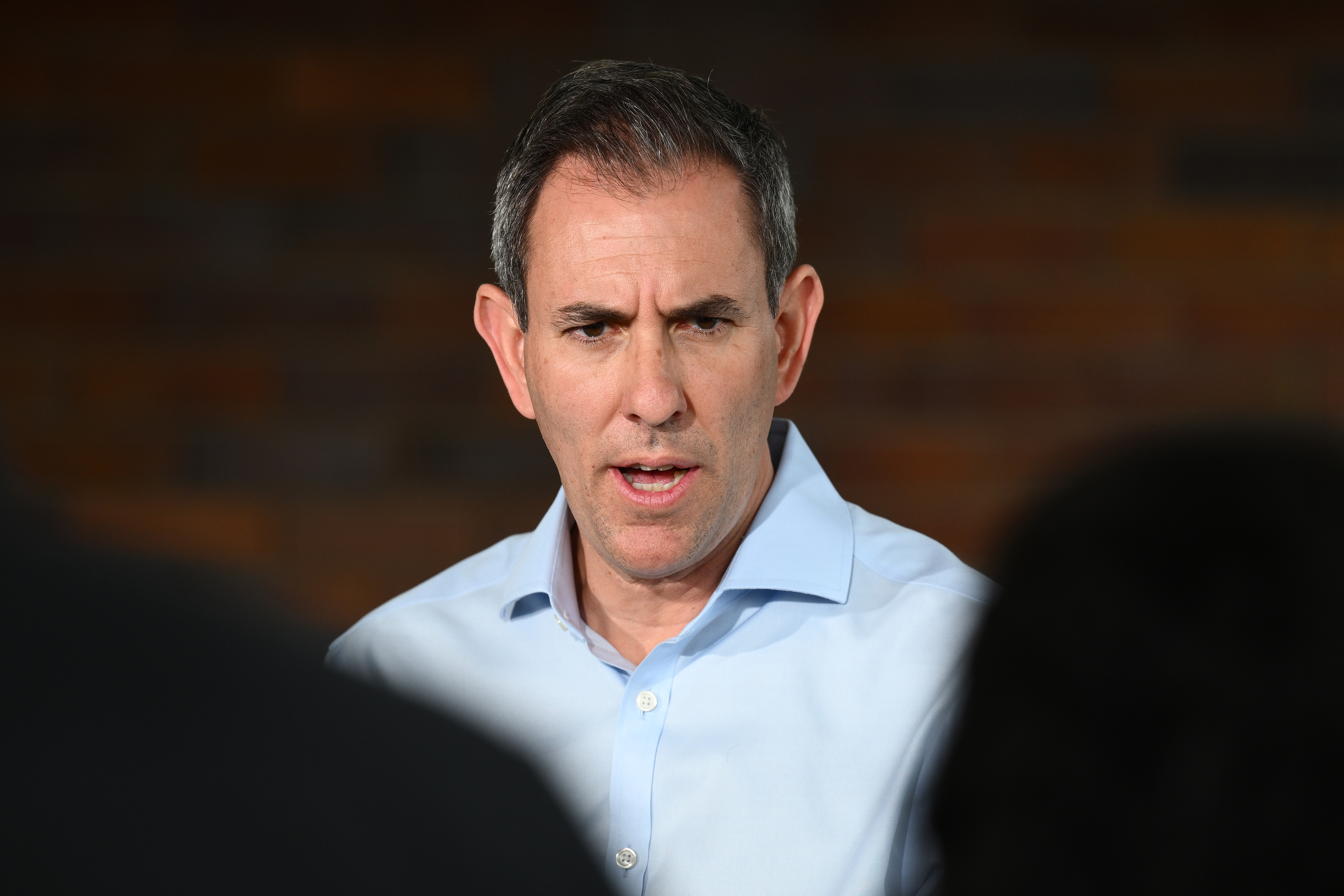
Treasurer Jim Chalmers has announced that the Australian Tax Office's (ATO) move to ban credit card payments will be delayed until the next financial year, to give businesses more time to adjust.

- Treasurer Jim Chalmers has announced the ATO will delay its ban on credit card payments until the next financial year.
- The ban – which was due to take effect on December 1, 2026 – has been met with backlash from prominent business groups.
- The ATO says the price of absorbing transaction fees on credit card payments for tax bills is around $200 million annually.
Treasurer Jim Chalmers has announced that the Australian Tax Office’s (ATO) move to ban credit card payments will be delayed until the next financial year, to give businesses more time to adjust.
“We’ve stepped in to ensure that the Tax Office can take credit card payments until the end of June next year,” Chalmers said in a press conference this morning.
“This will give them the time to consult more with small business and to get it right.
“This recognises the really important contribution that small businesses make to our local communities and to our economy more broadly.”
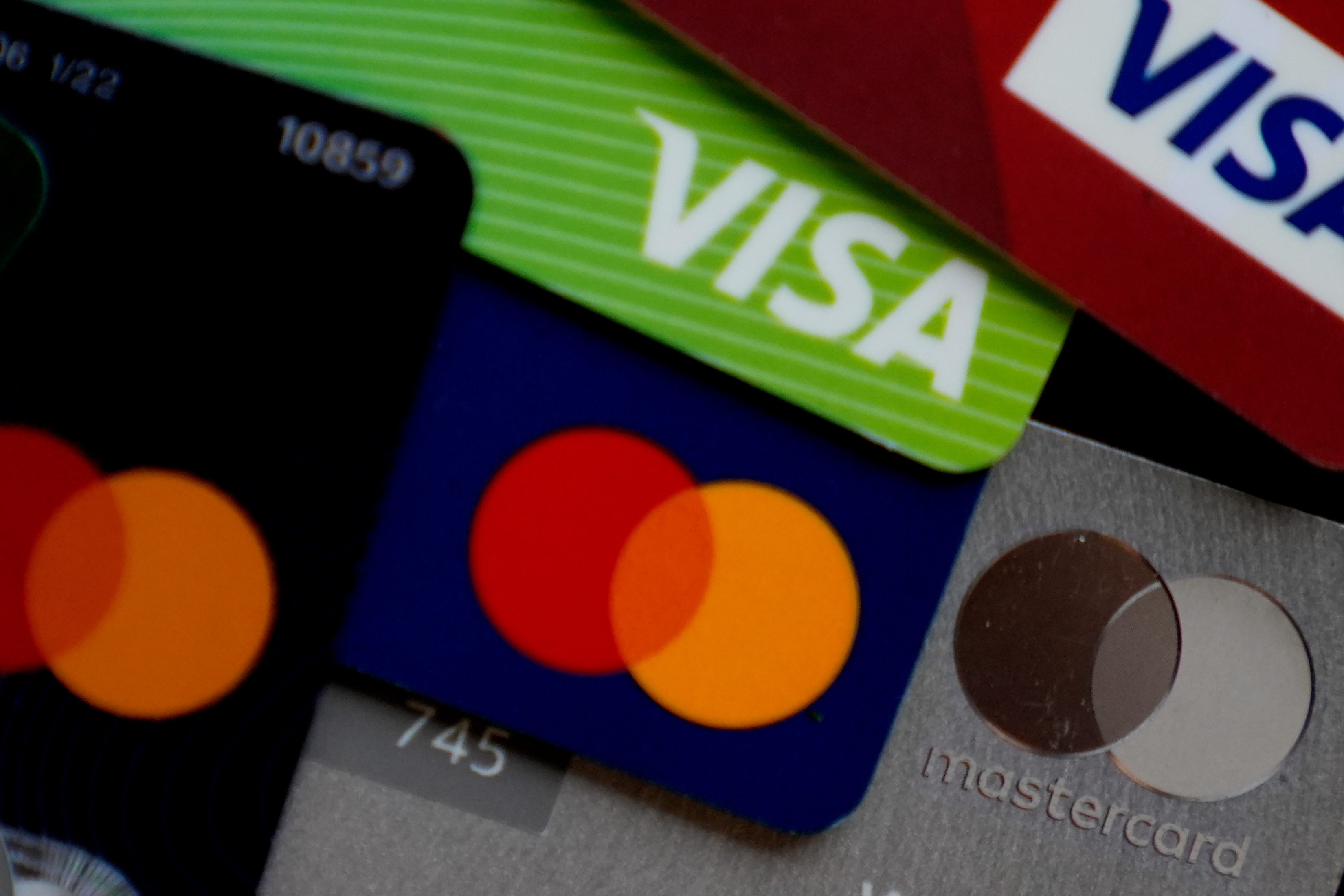
The ban, which was due to take effect from December 1 this year, would prevent businesses from paying their tax bills via credit card.
It was met with widespread backlash from prominent business groups and both sides of politics, who argued that the ban would impact the cash flow of struggling businesses who rely on credit to meet their tax obligations.
The ATO argued that following the Reserve Bank’s decree to stop surcharges on card payments, that it would be too expensive for the tax office to absorb transaction costs, estimated to be around $200 million annually.
“The ATO had to respond to the ban on card surcharging,” Commissioner of Taxation Rob Heferen said in a statement last week.
“Because tax liabilities are legislated, the ATO cannot build card payment costs into prices.”
Chalmers said the government would provide additional funding to the tax office to support the delay.
“We’ve stepped in here to provide the necessary funding to ensure that the ATO can continue to take credit card payments until the end of the financial year,” he said.
“We take very seriously the feedback that the ATO and the Government have received when it comes to implementing this surcharge ban.
“Now, we try not to interfere with the RBA or the ATO when they go about designing and implementing this surcharge ban.
“But it’s really important that we have stepped in today to make it possible for the ATO to continue to take credit card payments until the end of the financial year.”
What does the credit card ban delay mean for you?
The exact details of the Treasurer’s plan have yet to be released, and The Money Edition has reached out to the ATO for clarification.
However, we know that the ban – which was due to start from December 1 this year – will now be pushed back until the new financial year.
That means businesses will be able to continue to pay their tax bills using a credit card until June 30, 2027.
To account for the extra cost to the tax office, the government will temporarily provide funding that will offset the transaction fees used by credit cards.
When the ban was first announced, the ATO pointed out that the vast majority of taxpayers are not paying their tax with a credit card.
Approximately 2.3 per cent of tax payments were made with credit cards in 2024–25, with more than 60 per cent of card payments being made by privately owned and wealthy groups and public and multinational businesses.
Topics: Australian Tax Office, Credit cards, Tax