 Subscribe
Firmus IPO collapse exposes the risks of buying into AI hype
Firmus' abandoned share market float has raised questions about sky-high valuations and what investors should check before putting their money on the line.
-
Firmus has pulled its planned ASX float despite earlier claims of strong investor demand.
-
The company’s valuation surged from $6 billion to nearly $44 billion in less than a year, even as most of its data centre capacity remained unbuilt.
-
The collapse highlights the risks of investing in companies valued on future growth rather than proven earnings, particularly amid the AI boom.
It was pitched to investors as “the biggest initial public offering (IPO) in a generation”.
Firmus Technologies, a developer of artificial intelligence (AI) data centres, planned to raise A$7 billion from investors on the Australian Securities Exchange later this month.
Just days ago, bankers working on the deal said investor interest in the A$11-a-share offer was “well in excess” of what was needed to proceed.
The company and its backers claimed Firmus was worth almost A$44 billion, which would have made it Australia’s second-largest share market listing, behind Telstra in 1997.
Yet, by Friday morning, it was off.
What went wrong? And what are the lessons investors should apply to all companies to guard against hype and protect their money?
The warning signs were obvious
Plenty of red flags preceded this listing, covered in detail only yesterday in The Conversation, when the IPO was still meant to go ahead.
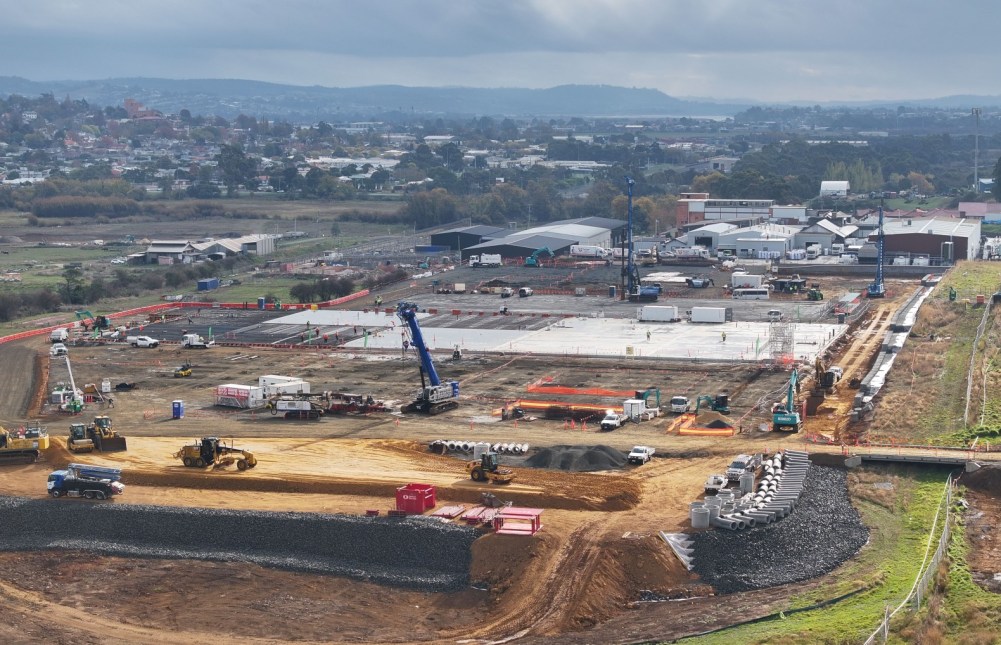
Firmus is losing money. Only two of its data centres are currently operational, with the rest in the planning or construction phase.
Most remarkably, Firmus’ claimed value had soared eight-fold in less than a year.
In November 2025, a private funding round valued it at about A$6 billion. In August this year, it had climbed to more than US$10.5 billion (about A$15 billion).
Yet this month, Firmus declared its value was A$43.7 billion. At that price, Firmus would have been worth almost as much as retail giant Woolworths.
A sign of the market working
The role of the market is to digest a lot of information and price all of that into a reasonable value for each company. If investors believe a company is worth less than its IPO price estimate, they withdraw their interest.
In Firmus’ case, this declining interest from investors seems to be an example of the market working properly.
We never saw a public prospectus with all the details about this listing and Firmus’ financials; it was meant to be released yesterday, but it wasn’t.
However, a draft prospectus was being circulated to institutional investors here and overseas. They’ve looked at that – and the prospect of actually committing to buying those shares at A$11 a share – and many have decided “no thanks”.
That’s why the listing was withdrawn on Friday.
Look for the incentives behind any claim
As an economist, you always look out for incentives: why would someone say something? What might be in it for them?
There is a clear incentive for investment bankers to ramp up demand before any stock exchange listing. That’s because the higher the float price, the more they pocket, too.
So where did this demand go? It’s quite possible there was strong initial demand for Firmus shares, but it was only indicative. That usually comes down a bit before any listing – or down by a lot, as in Firmus’ case.
Some commentators have raised a more concerning possibility: that the level of investor demand in Firmus may have been misrepresented.
Is it a warning sign of an AI bubble?
Investors shouldn’t assume that Firmus’ issues are indicative of every other AI or data centre company.
A lot of this situation is specific to Firmus, including how quickly their quite outrageous valuation numbers ballooned in such a short time.
However, we did see similar things happening during the dot-com bubble a generation ago. Back then, a lot of companies were going public based on “thin air valuations” – projecting huge demand into the future, without the numbers to back it up.
That was echoed in what Firmus was doing now: operating with just 5% of data centre capacity up and running, while the remaining 95% they were talking about as underpinning their valuation hadn’t yet been built.
What are the lessons for investors?
Potential investors should look at the hard numbers as closely as they can.
If you can’t find out what a company’s revenue was in the past year, and where it expects its money will be coming from for the next five years, at least – that’s a red flag.
Of course, even if you have those figures, that doesn’t mean things won’t go wrong down the road. But understanding those key numbers is a must before you ever invest.
The golden rules are to diversify your investment portfolio and try to minimise your fees. And if you are buying into a single company’s IPO, it’s safer to allocate limited amounts to those.
As a general rule: don’t invest in single stocks more than you can afford to lose.
This article is republished from The Conversation under a Creative Commons licence. Read the original article