 Subscribe

Bushfire cost to hit $6 billion a year as former fire chiefs warn on El Niño risks
Bushfires are expected to cost Australia's economy an eye-watering $181 billion over the next 30 years, a new report has warned.

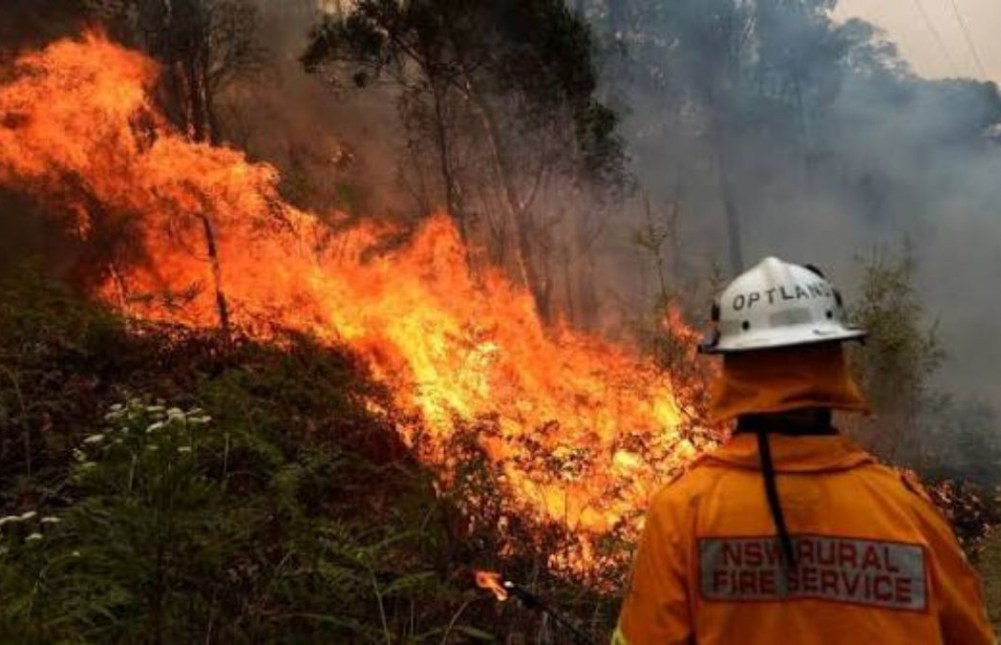
- Bushfires are expected to cost Australia’s economy an eye-watering $181 billion over the next 30 years, a new report has warned.
- Former senior Australian fire and emergency service leaders released the report, saying the danger was not being taken seriously.
- It warns that the annual bushfire damage bill will hit $6 billion, supercharged by this summer’s “Super El Niño” event.
Former senior Australian fire and emergency service leaders are warning the nation’s annual bushfire cost will hit $6 billion as climate change supercharges weather conditions.
The report, released by Emergency Leaders for Climate Action, includes independent economic modelling showing climate-fuelled fires are expected to cost the economy $181 billion over the next 30 years.
Of particular concern is this summer’s “super” El Niño event, which is anticipated to bring higher daytime temperatures and less overall rain, but a higher frequency of damaging storms.
The phenomenon occurs when unusually warm waters in the central and eastern Pacific Ocean alter atmospheric circulation, disrupting weather patterns across Australia.
“The El Niño underway is tracking as the strongest on record, and comes on top of the highest levels of climate pollution in human history,” the report states.
“In some high-risk areas, insurance premiums have risen by as much as 400 per cent after major fires, and some properties can’t get bushfire cover at all, leaving families exposed when the next fire hits.”
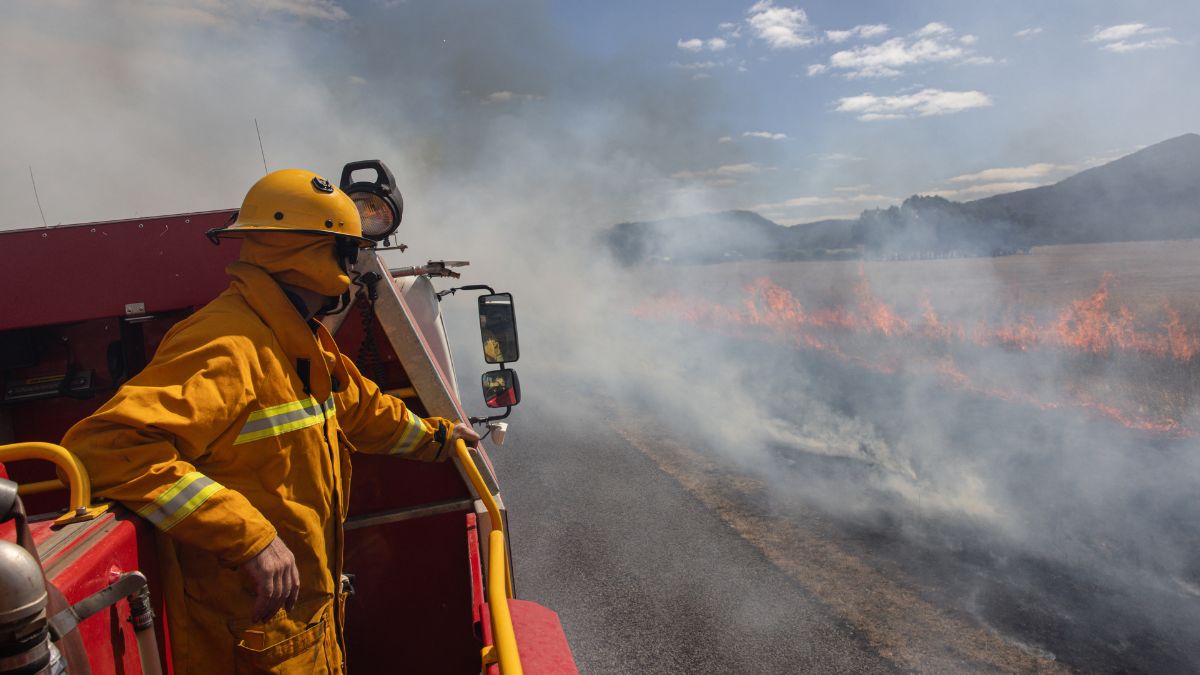
Greg Mullins, a former Commissioner of Fire and Rescue NSW and one of the group’s founders, said firefighters are up against an environment that is increasingly more dangerous.
“Firefighters are heading into this summer with a hotter climate baseline combined with what’s shaping up as a record-breaking El Niño: a double act that could seriously increase fire risk in southeastern Australia,” Mullins said.
“What worries me is that the 2027/2028 summer could be even hotter.
“We’re now in an era where fire seasons are longer and more intense, property losses are growing, and once-rare fire-generated storms are six times more common than they were 20 years ago. But we know that if we invest in community preparedness, we can reduce misery and loss.”
The report recommends a number of initiatives to help reduce the risk, including retrofitting all at-risk homes to make them compliant with national bushfire standards.
This is anticipated to cost $39,466 per home.
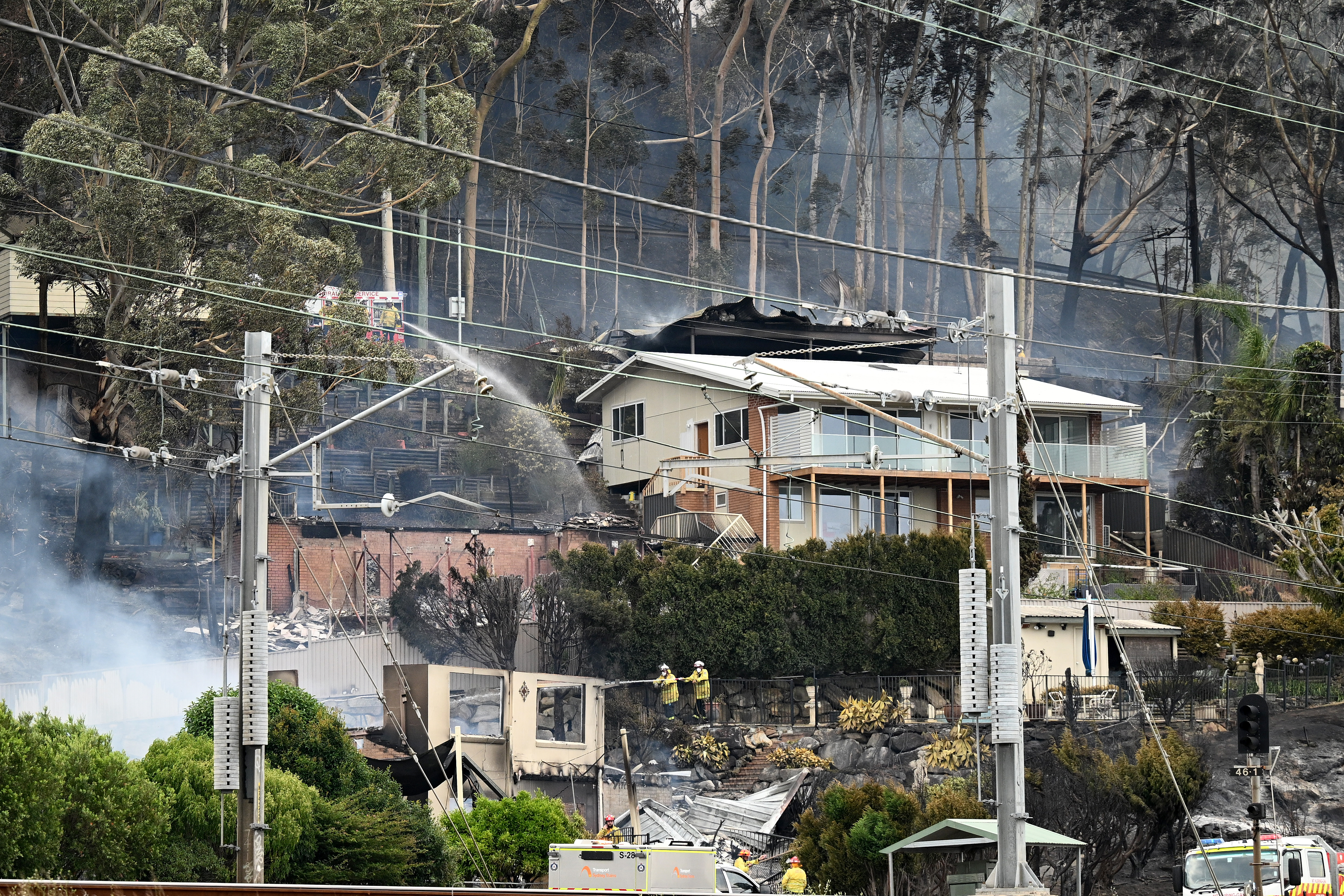
Other recommendations include ensuring there is at least 48 hours worth of back-up power for mobile towers in bushfire-prone areas, and a call to increase Australia’s aerial firefighting capability.
Currently, Australia shares some of its aerial firefighting aircraft with other countries, such as France and Greece, to assist during their summers.
But the report argues that as climate change continues, the fire seasons between the northern and southern hemispheres will begin to overlap.
“Governments have a clear choice: prepare now for worsening fires or pay later for the huge damage they will cause,” Mullins said.
“Preparing now means building safer homes, stronger community infrastructure, and better-resourced fire services.”
Jessica Yu, director at economic firm ConnellGriffin which provided the modelling for the report, said the balance sheet showed the cost of bushfires was only getting worse.
“You don’t have to lose a home to pay the price for worsening bushfires,” she said.
“We have shown how these events are costing billions across the Australian economy when you count the farms that can’t harvest, the businesses forced to close, the jobs lost and the toll on people’s health and wellbeing.
“The figures in this report are conservative, and they show that the costs are growing.”
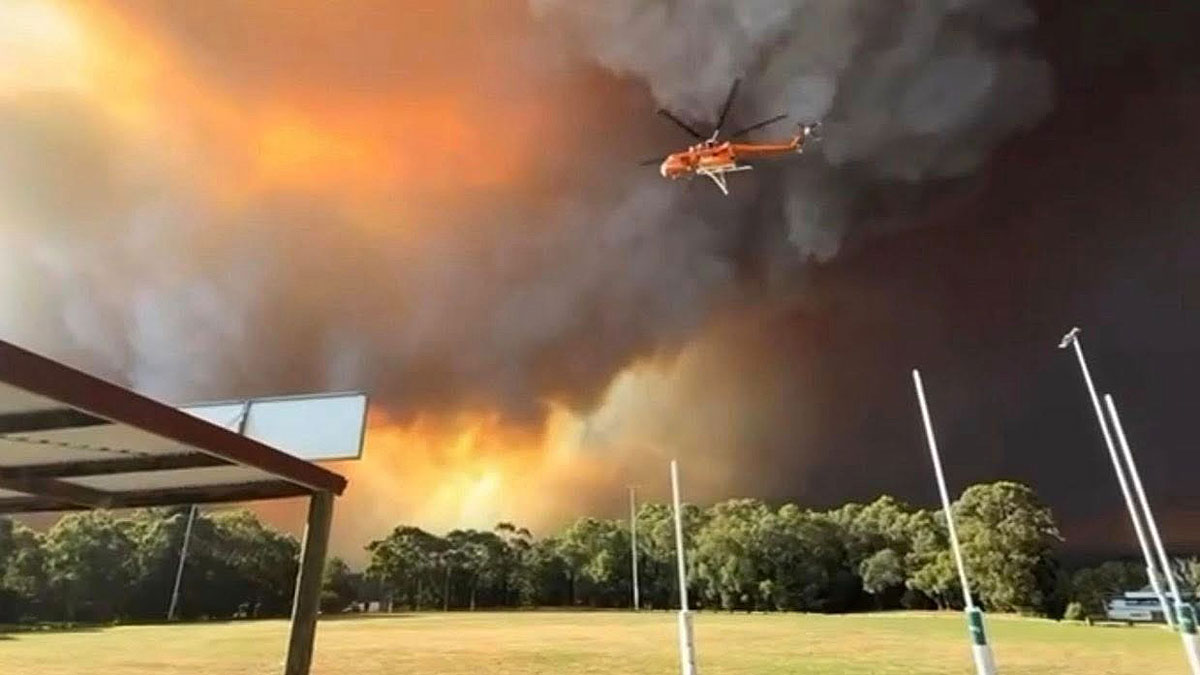
The figures in the report do not include the loss of wildlife, ecosystems and cultural heritage.
Infrastructure expert and one of the report’s authors, Janice Lee, said the government’s best interest is to prioritise funding for bushfire preparation.
“The modelling shows for the first time what better preparation is worth. The more bushfire damage we prevent, the more jobs and tax revenue we protect, and the stronger our economy,” she said.
“Cutting climate pollution and preparing communities helps families and the economy.”