 Subscribe

Hang up on fake Microsoft callers, banks warn Australians
Scammers are lining up to exploit Friday’s global Microsoft outage, with banks warning that fraudsters are posing as tech support.

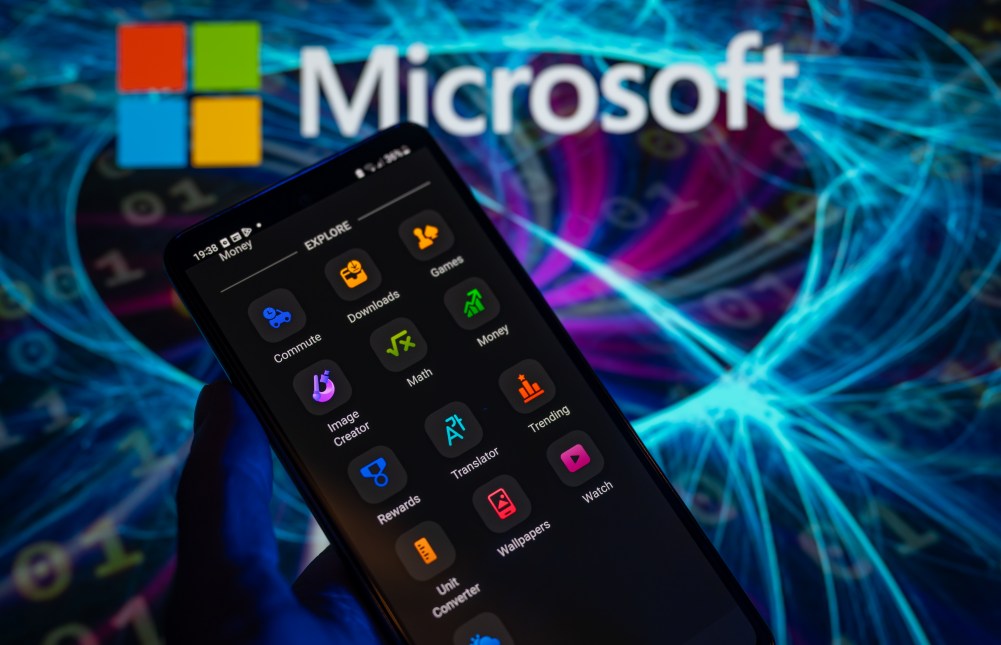
- Finder research shows almost one in four Australians, or about 4.9 million people, have lost money to a scam, as experts warn fraudsters will exploit Friday’s Microsoft outage.
- The Customer Owned Banking Association warns scammers often turn to phone calls when email is down, posing as technical support.
- The outage cut access to Outlook, Teams and other Microsoft 365 services for about 24 hours from early Friday, just as Black Friday sales get underway.
Scammers are lining up to exploit Friday’s global Microsoft outage, with a banking industry body warning that fraudsters posing as tech support will “deliberately create a false sense of urgency.”
Almost one in four Australians (23 per cent), or about 4.9 million people, say they have already lost money to a scam, according to research by financial comparison site Finder.
The outage cut access to Outlook, Teams and other Microsoft 365 services from about 5 am AEDT on Friday, and some users were locked out for roughly 24 hours.
“Scammers will also be ready to pounce with Black Friday sales underway – they’ll likely have fake online stores, dodgy social media ads and too-good-to-be-true deals,” Taylor Blackburn, personal finance specialist at Finder, said in the report.
Online shopping scams are already the most common type, with one in 10 Australians losing money to them, the research found.

What went wrong
Outage tracker Downdetector logged problem reports from 74 countries and territories within about an hour, and more than 5500 Australians had flagged problems with Outlook at 9 am AEDT on Friday.
Microsoft blamed heavy load on part of its infrastructure and said there was no sign of malicious activity, before apologising as services recovered.
Microsoft 365 has been hit repeatedly this year, with Outlook, Teams and other services down for hours in January before another disruption in August.
Blackburn said an offer to “fix” a broken account could sound like a lifeline to anyone stuck outside their email or work systems.
“That’s exactly what scammers are counting on,” he noted.
Finder’s May survey of 1010 Australians found more than 2.1 million (10 per cent) people had lost money to fake stores, phoney products or dodgy sellers.
Another 3 per cent, or about 654,000 people, fell for an impersonation scam, in which a fraudster pretends to be someone they trust.
Blackburn urged shoppers to check web addresses carefully, look for reviews outside the retailer’s own site, and pay by credit card or PayPal where they can.

Banks warn of phone scams
The Customer Owned Banking Association (COBA), which represents mutual banks, credit unions and building societies, urged Australians to stay alert for scammers exploiting the Microsoft 365 and Outlook disruption, warning they often turn to “vishing,” using phone calls or robocalls, while email is down.
“Scammers are highly opportunistic and will deliberately create a false sense of urgency, trying to panic and rush you into making a mistake before you have time to think,” COBA Head of Financial Crimes and Cyber Resilience Martin Latimer said in a statement.
Latimer said people should double-check the identity of callers claiming to be from their internet provider or workplace IT team, even when they are expecting the call.
“Your bank will never call you and ask you to send any funds, disclose passwords or request access to your device,” he said.
Following the Microsoft 365 outage, the NSW Government’s Cyber Security NSW warned against clicking unexpected links or giving personal details to callers posing as a bank or tech company.
Latimer warned the risk would not end when Microsoft’s services return to normal, as criminals may keep posing as technical support afterwards.