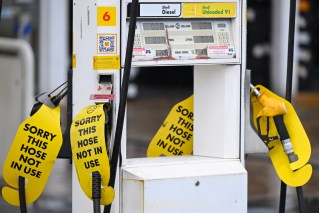
More rate rises are coming, but don’t expect your wages to rise with them

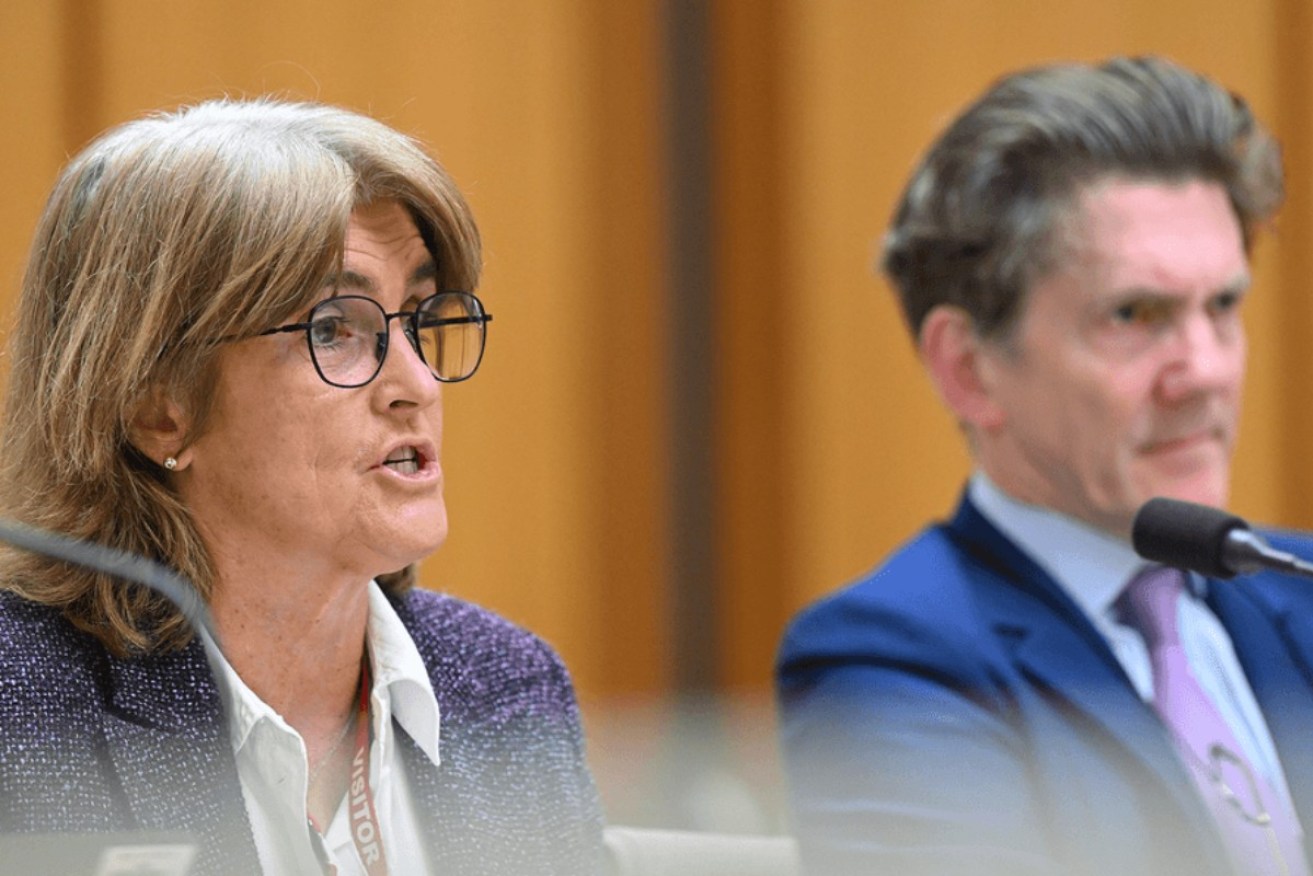
The RBA continues to believe it needs to raise rates because they are the only tool it has. Photo: AAP
In their appearance before the House economics committee on Friday, the executive of the Reserve Bank made it quite clear that we can expect more interest rate rises to come – but made little suggestion that real wages will improve any time soon.
The appearance of the RBA before the House economics committee is always a battle between discussing actual economic details and MPs trying to get political sound bites.
In her opening statement to the committee, RBA governor Michele Bullock kept strictly to economics and highlighted the issue of higher international inflation due to the Iran war.
Bullock noted that “there is little sign of resolution of the Middle East conflict. Oil and related prices have increased sharply again and will add directly to inflation”.
She also noted the boom in AI investment around the world that is driving up the costs of IT equipment and also interest rates due to the surge in demand for financing.
Prior to the committee appearance, the market was forecasting an 82 per cent likelihood of a rate rise when the Reserve Bank meets on September 28-29.
By the end of the hearing, this had risen slightly, and the likelihood of at least two rate rises within the next 10 months appears locked in:

Bullock also suggested that unemployment would need to rise in order to lower inflation. She suggested that the impact of the Iran war and the AI boom meant that, for every level of inflation, unemployment will be higher.
As a result, she suggested in her opening remarks that “labour market conditions remain close to, but a little tighter than, full employment”.
It might strike people as odd that this means in order to achieve “full employment”, the Reserve Bank believes more people need to become unemployed. Such is the nature of neoliberal economic thought.
Similarly, the Reserve remains ever worried about higher wages.
Bullock noted that “while labour market conditions have eased gradually as expected, some capacity pressures remain. There is a risk that this could exacerbate the degree of pass-through of rising input costs”.
That is central banker speak for higher wages.
On this, committee chair, Labor MP Ed Husic, took issue with the RBA’s suggestion that higher productivity growth will lead to higher wages.
He produced a graph (from research I had undertaken for The Australia Institute) that showed the collapse of real wages and the long path of recovery:

Bullock and her deputy economics governor Sarah Hunter took issue with the graph, suggesting it left out the wage increases due to productivity growth and job switching.
Bullock admitted “clearly people are feeling the pinch” but suggested a different measure from the National Accounts showed wages had recovered better than shown by the wage price index.
That measure, however, also shows that over the long term, wage growth has not kept up with inflation:
 Husic also noted the link of productivity and inflation is not automatic and requires bargaining for benefits to flow to workers.
Liberal MP Simon Kennedy used his questioning to attempt to get the Reserve Bank executive to admit the government’s spending was driving inflation because it was growing at twice the pace of GDP.
This, as Bullock pointed out, ignored that public spending is made up of state, local, defence and federal government spending, and that the RBA did not model the impact of cuts to government spending, let alone Kennedy’s proposition of a 2 per cent of GDP cut.
The latest GDP figures show that federal government spending has contributed less each quarter over the past year. It is now contributing less to the growth of the economy than was the case during most of the previous 20 years:
 The committee appearance showed that the RBA is, for the most part, quite optimistic about the impact of AI data centre construction on economic growth.
While Hunter admitted imports of the machinery meant that it had no real impact on economic growth, deputy governor Andrew Hauser spoke glowing of centre construction.
Nothing was said about the lack of ongoing jobs once centres have been built.
For now, though, the RBA is set to follow the US and the rest of the world in raising interest rates.
It admits it will not affect oil prices and will do little to alter the massive surge in data centre construction.
But the RBA, like every other central bank, continues to believe it needs to raise interest rates because rates are the only tool it has and that it cannot merely “look through” the impact of international events.
And so, two more rate rises seem almost certain.
This article first appeared in The Point. Read the original here
Want to see more stories from The New Daily in your Google search results?
- Click here to set The New Daily as a preferred source.
- Tick the box next to "The New Daily". That's it.
RBA’s inflation warning stokes rate rise fears