Why Trump’s MMR vaccine order is the latest public health disaster, with effects set to last years

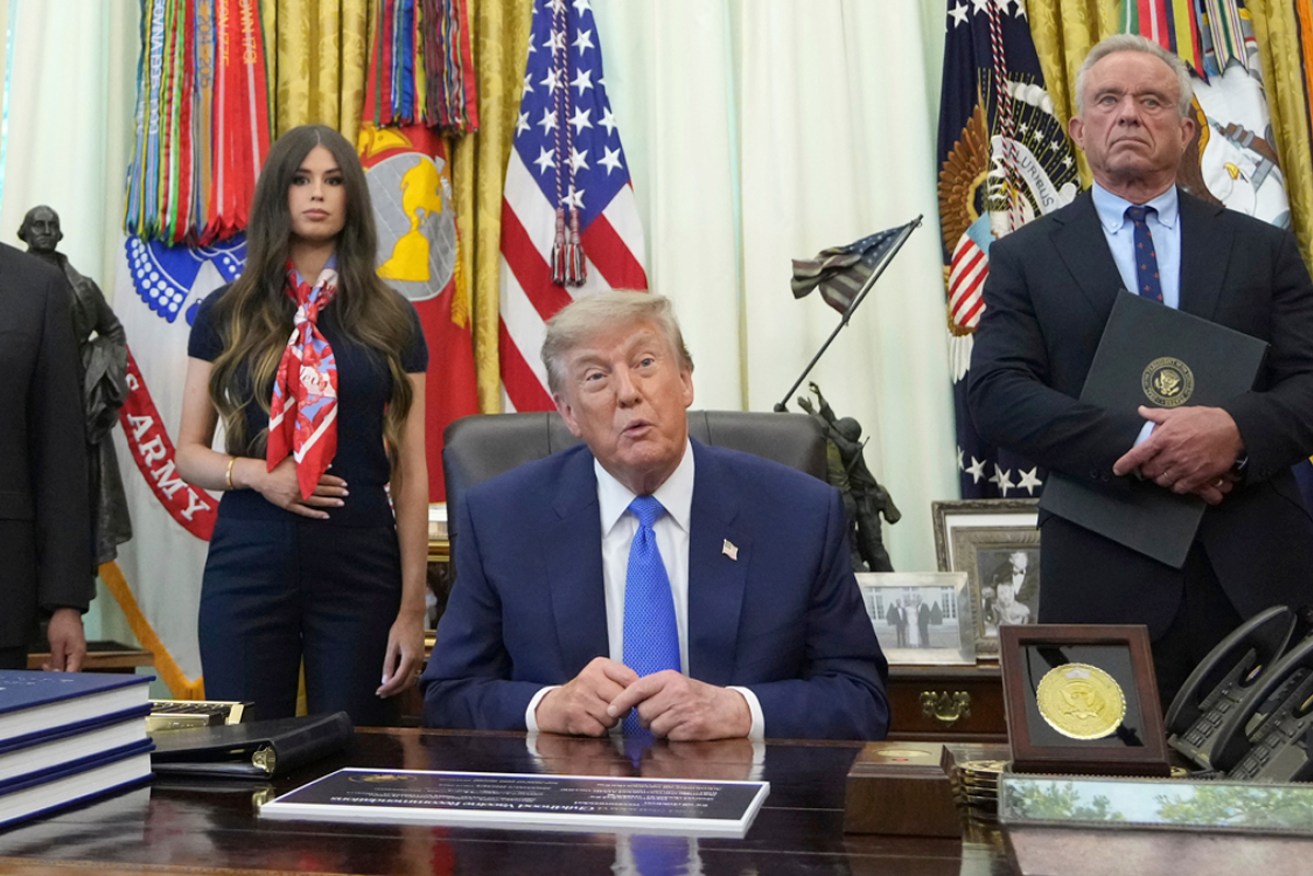
The implications of Trump's winding back of vaccines for American children will ripple down the years. Photo: AAP
US President Donald Trump has this week signed an executive order that recasts the country’s childhood vaccination policy to “support maximal parental choice”.
The order:
- Reduces the vaccines recommended for every child from 18 to 11. Vaccines no longer routinely recommended, but up to parents to discuss with their health-care provider, include vaccines against hepatitis A, hepatitis B, rotavirus, meningococcal disease, influenza and Covid. Some immunisations, including against respiratory syncytial virus (RSV), are only recommended for certain high-risk groups or populations;
- Calls for measles, mumps and rubella (MMR) to be given separately once individual products become available;
- Encourages separate medical visits for each childhood vaccine (despite no evidence having multiple vaccines at the same time overwhelms children’s immune systems);
- Asks states to reconsider their requirements for children to be vaccinated before they start school.
The order does not ban vaccines or immediately overturn state vaccine mandates. But it gives presidential credence to the idea that the established vaccine schedule may be excessive or unsafe. Amid rising vaccine hesitancy that signal may matter more than the legal text of the executive order.
Yet Trump’s order is only the most visible part of a larger story.
Vaccination risks can rise suddenly
Vaccination is not simply an individual choice. High coverage interrupts infectious transmission and protects infants, those with weakened immune systems and other vulnerable people who cannot be fully vaccinated.
Take measles. Preventing sustained spread requires around 95 per cent of the population receiving two vaccine doses. Kindergarten MMR coverage in the United States is already below that herd immunity level nationally and considerably lower in some communities.
In 2026 to date, the US recorded 2465 measles cases; and in 2025, 2289 cases, three deaths and an 11 per cent hospitalisation rate: Its highest case count since 1992.
Splitting the MMR vaccine into its component vaccines, each needing its own appointment, creates delay and makes people less likely to complete a course. People may also be confused about what to do as separate MMR vaccines are not currently available.
The MMR vaccine is considered safe. There is no credible evidence that separating the measles, mumps and rubella vaccines is safer than the combined MMR vaccine.
There is also no credible evidence supporting the White House’s argument that the vaccine causes autism.

Over five years, the likely result of vaccine disruption or distrust include:
- Recurrent outbreaks, including extra influenza and rotavirus illness;
- More infant RSV hospital admissions;
- More unvaccinated children being excluded from school;
- Costly containment campaigns to control outbreaks that could have been prevented.
Over 10 years, successive groups of undervaccinated kids would mean more of the population becomes susceptible.
If, as is likely, distrust and confusion spreads to other vaccines, additional cancers will emerge. Lower rates of the human papillomavirus (HPV) vaccine would lead to more cervical cancer, and less hepatitis B vaccination to more liver cancer.
Losing health cover will cost lives
But the largest effect on premature deaths in the US may come not from vaccine hesitancy, but from reduced access to health care.
The Trump administration’s “One Big Beautiful Bill” requires people on lower incomes to work, or be in training or school, to be covered for health care. States must generally implement this “80-hours-a-month” requirement from 2027.
The Congressional Budget Office estimates these and other barriers to access will leave 7.8 million more people uninsured by 2034.
So poor people will miss out on care, diagnoses and medicines. Blood pressure and diabetes will be less-well controlled. Cancer will be detected later. Mental-health and opioid-use treatments will be interrupted.
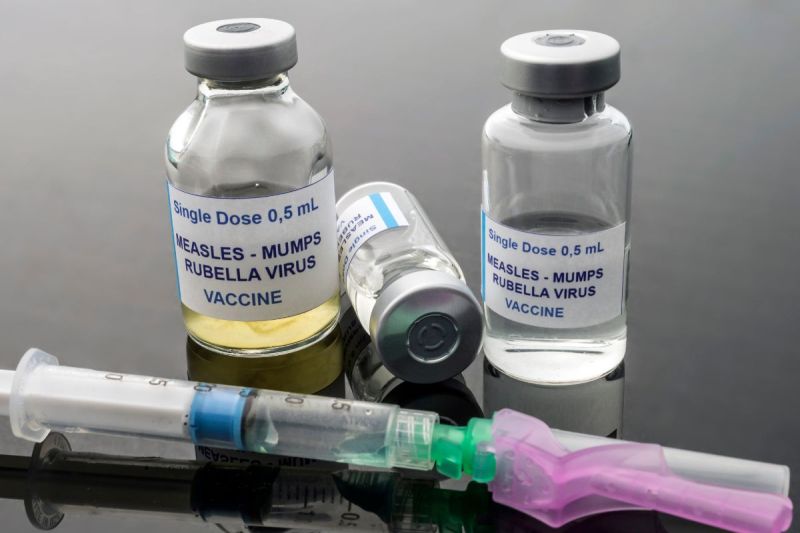
The changes come as measles cases soar in the US. Photo: Canva
Institutions weakened
The healthiness of a country like the US also depends on institutions most people rarely see: Epidemiologists connecting unusual cases, laboratories identifying disease-causing microbes, inspectors tracing contaminated food, and regulators evaluating medicines.
The US administration has earlier announced major restructuring and workforce reductions across the Department of Health and Human Services and its agencies.
In an ordinary year, the damage may appear as slower investigations or fewer inspections. During an epidemic or product failure, this can be catastrophic.
The largest toll is international
The US withdrawal from the World Health Organisation and disruption of international aid programs affect countries where funding changes rapidly become immediate matters of life and death.
These programs support HIV treatment, malaria control, tuberculosis diagnosis, childhood vaccination, maternal care, nutrition and outbreak surveillance.
One study estimated a major reduction in international funding could cause about 4.4 million-10.8 million extra HIV infections and 770,000-2.9 million HIV-related deaths by 2030.

The real issue is cumulative damage
Courts may block executive actions. States can retain stronger policies. Congress can restore funding. Future administrations can reverse regulations.
But even a complete reversal cannot restore every loss. A child infected with measles cannot be retrospectively vaccinated. A cancer diagnosed late cannot be cured just by reinstating health coverage. An interrupted HIV program creates infections that continue spreading. For years.
The proper unit of analysis is not one presidential vaccine order. It is the health system’s cumulative capacity to prevent harm, detect danger and ensure access to care. The current US administration is weakening all three.
Its legacy may be counted not only in budget cuts and unhealthy regulations, but in illnesses that need not have occurred and lives that might otherwise have been saved – not just in the US but around the world.
Jeffrey Braithwaite, Professor of Health Systems Research and Founding Director, Australian Institute of Health Innovation, Macquarie University
This article is republished from The Conversation under a Creative Commons licence. Read the original article.