‘Find courage’ or lose voters to One Nation, Husic warns Labor

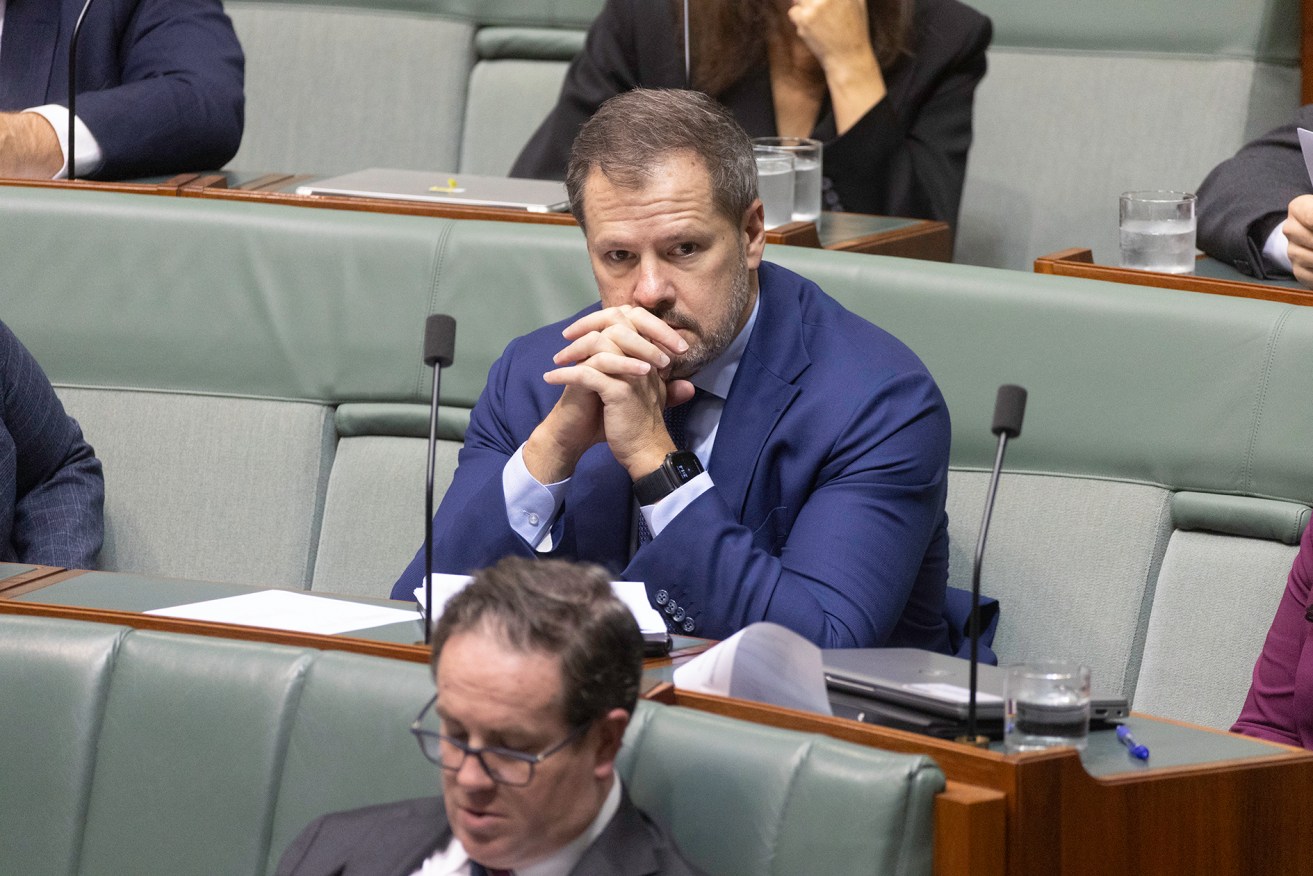
Ed Husic says there is a disconnect between Labor and most Australians on the war in Gaza. Photo: Mike Bowers
Labor MP Ed Husic has warned that failure to act more strongly on Palestine will be “a stain on the government”, urging his party to find the courage to lift wages above inflation, cap grocery prices and back a gas tax, or keep losing voters to One Nation and others.
The former minister said the Albanese government was in “probably the toughest circumstances” of its time in office, with cost-of-living pressures and AI-driven job losses.
It was also operating under a fear of a News Corp backlash, leaving voters convinced the major parties have no answers.
Husic told Saturday’s episode of the 7am podcast that there was also a “big disconnect” between the government’s response to Gaza and the views of Labor members, supporters and the broader public.
“It does require us to have the courage to take much stronger action, and we’re not doing it,” he said.
“If we don’t act, my genuine view is that in years to come, we will feel like this was a stain on the government, that we did not act when we needed to.
“Not just because, with the greatest respect of our members and our supporters, that we should have done it, but that we didn’t do it because we knew it was the right thing to do and we didn’t have the courage to move.
“I think that’s the big, big thing that will hang heavily on our legacy into the long term.”
Husic also believes elements of the Labor executive could work more meaningfully with the broader caucus, especially on this issue.
“I’ve been genuinely disappointed,” he said.
“We have learned more about how we make decisions as a government on this issue through the [Senate] estimates process, as opposed to the caucus process.
Husic said he and his colleagues learned Australia had been approached by Britain to participate in a broad sanctioning of Israeli settlers in the West Bank only from Foreign Minister Penny Wong’s answers to questions by non-government MPs at Senate estimates.
“It was a decision made by only a few people within our government. And that’s never been explained. And I don’t think, as a member of caucus, we should be left in the dark on those types of decisions or the way that they are made,” he said.
Husic levelled part of the blame for the disconnect between politics and people to the number of people in Parliament who had come up through the political ranks in the 1990s and 2000s. They were left with the belief that taking a strong stand would see them “hammered” by News Corp and conservative forces.
He said the government needed to find the courage to push past its old fears.
“Yes, we absolutely will be hammered by them. But the impact of that compared to 20 years ago is completely different,” he said.
“I think there is an expectation of political parties that they be able to represent why they’re there, what they’re seeking to do a lot better. And I think that is the bigger test – not Rupert Murdoch’s army of newspapers in this country, but rather the expectations of people that vote for us and who think that we should be doing a lot better on some of these big issues.”
Asked whether this was a criticism of Prime Minister Anthony Albanese, Husic said it was “broader than that” and not aimed at just one person. He called for more brave policy in general, including backing workers to receive pay rises above both inflation and productivity to help restore the living standards of lower and middle class-earners, despite expected criticism from business and conservative economists.
He used bank executives to prove his point, telling 7am he had questioned bank CEOs as the chair of the House economics committee, on whether their pay was tied to productivity, but could not get a straight answer. Husic said the heads of the top 100 ASX companies earned about $6 million on average, yet expected their workers’ pay rises to depend on productivity gains.
“Which comes to my point of thinking differently,” he said.
“Thinking about how we repair the position of low and middle income-earners in this country will require give and take from business as well. And it can’t be that government has to always put its hand in its pocket to pay out to fix the problems created by business, while business then tells us, well, you need to cut government spending as well.”
Husic also warned that One Nation was not just a problem for the Coalition. He said former Labor voters were drifting towards it because they felt the major parties had no answers and wanted to give politics “a kick in the shins” – despite what he believed to be the “billionaires over battlers” mantra at the heart of One Nation’s policies.
Husic said the answer for Labor was to give voters policies that would actively help them, such as a cap on basic grocery prices and a gas tax, which he argued would help prepare the economy for the rapidly approaching end to coal and gas.
Asked for his message to fatigued voters, Husic cited Foodbank figures showing 3.6 million households facing food insecurity, with seven in 10 experiencing it for the first time.
“The biggest issue we’ve got in Australian politics is the complete disconnect from the pressures that people are facing,” he said.
“We can say that we recognise it, but we don’t seem to do much that matches up with the expectations of people feeling that pressure. And that’s the big thing we’ve got to do.”
Amy Remeikis spoke to Ed Husic as guest presenter of the 7am podcast
If you would like to support 7am, head to 7ampodcast.com.au/support or find it on Instagram
'No-alition' must stop blocking gas for Australians
Albanese’s ‘family photo’ with Putin defended
Draconian laws, dereliction of duty – done in minutes
‘That is the limit’: Hanson flags cut to refugee intake
'Hard to describe': Where did Labor’s ideas go?
‘No one was hurt’: PM sorry for hot-mic banter