Threatened Aussie mammals need a bird flu vaccine: Expert
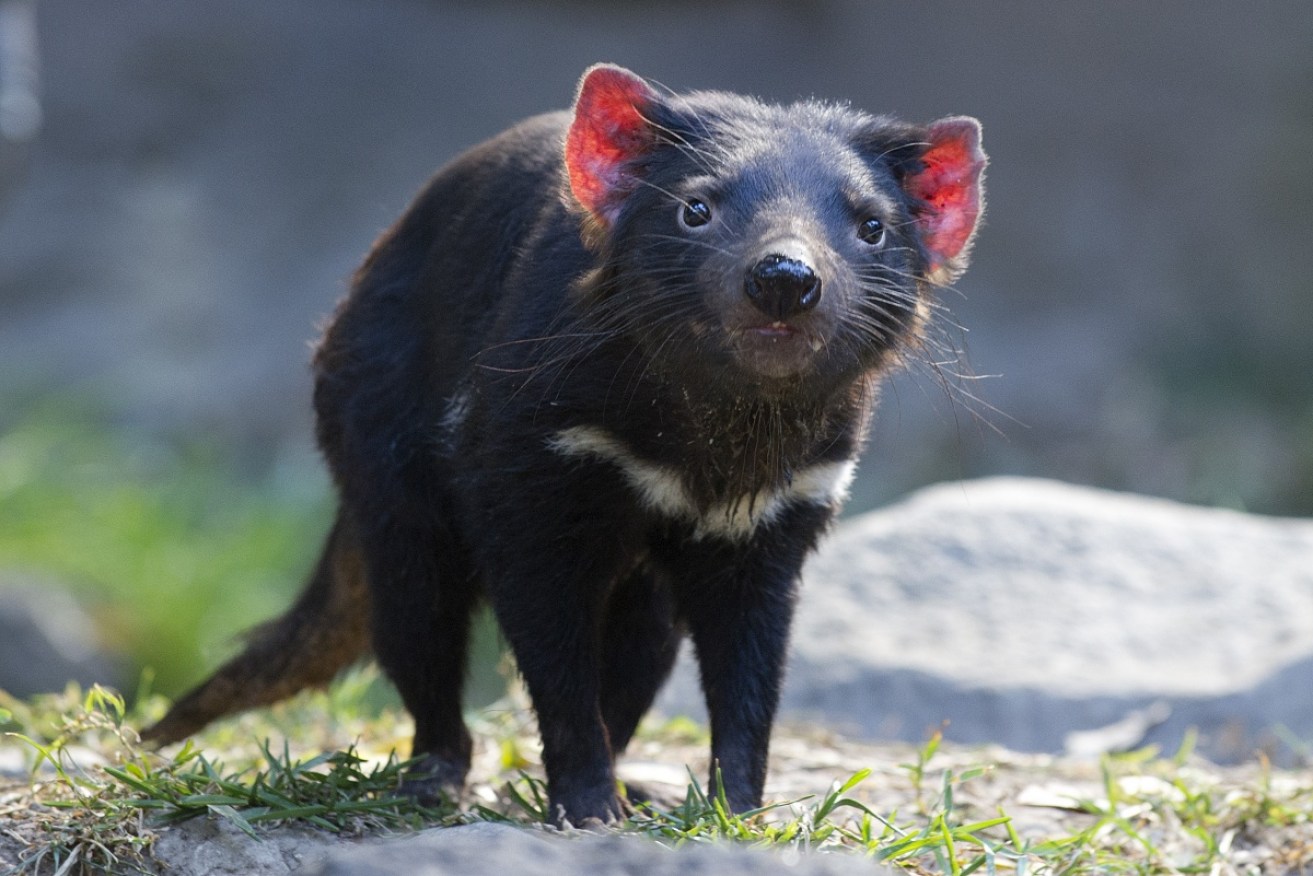
Tasmanian devils are considered vulnerable to bird flu. Photo: AAP
Australian officials should have prioritised a bird flu vaccine for vulnerable mammals, including Tasmanian devils and sea lions, a top expert says.
A leading ecologist has questioned the federal government’s response to the H5 outbreak after it announced a rollout of vaccines for captive populations of threatened birds.
While welcoming the vaccine trials, Deakin University’s Professor of Wildlife Ecology Euan Ritchie told AAP it was regrettable there was no vaccine available for Australian mammals.
“Given the fact that Australia has a large number of threatened mammals, that are found nowhere else in the world, it would have been good to have seen a lot more effort and investment in developing a mammal-specific vaccine,” said Ritchie, who is also the Australian Mammal Society president.
“We have species like the Tasmanian devil, many quoll species, and of course the Australian sea lion and other marine mammals, which we think potentially are highly vulnerable.
“Many of those could be trapped and vaccinated in the wild, and it’s regrettable that that’s not been made a priority.”
Australia has the highest rate of mammalian extinction in the world, having lost around 10 per cent since European colonisation.
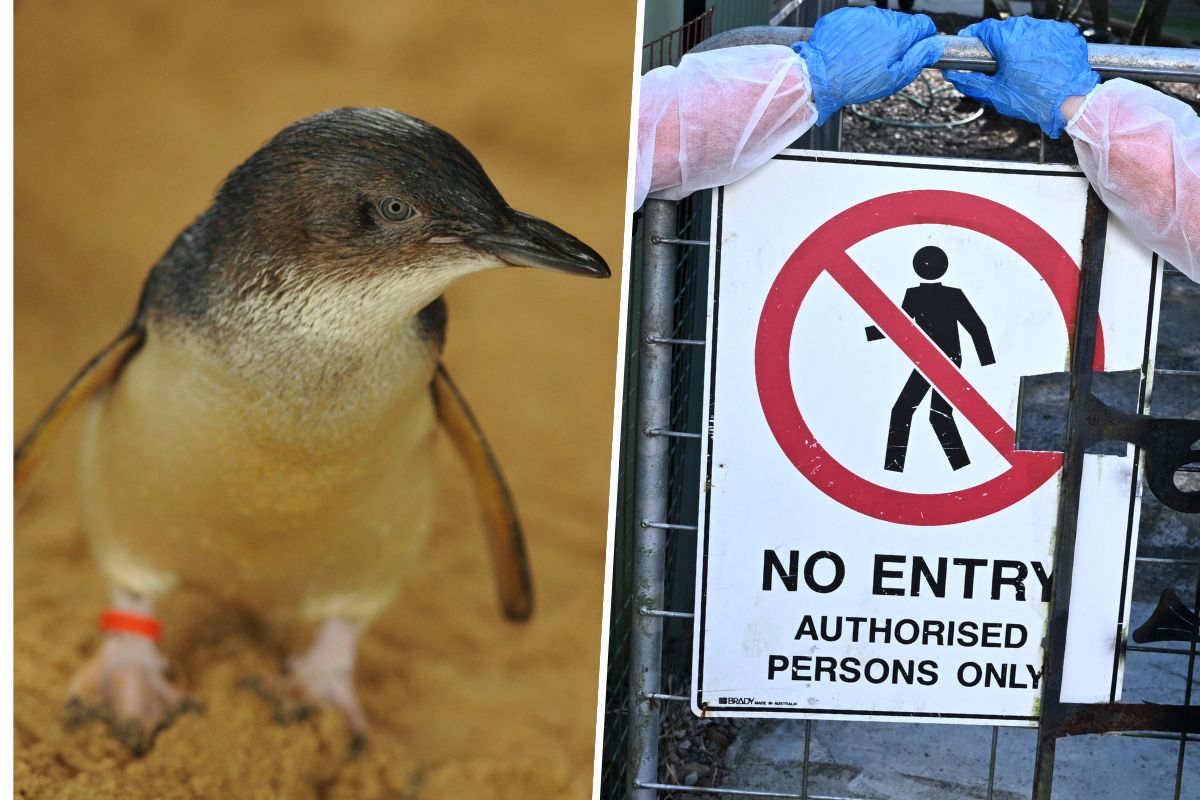
Little penguins will receive the bird flu vaccination. Photos: AAP
A senior CSIRO research scientist said that while H5 remained an avian-adapted virus, there had been spillover infections to 55 different mammalian species around the world.
Frank Wong said most of the infections involved scavengers or predatory species.
The endangered Tasmanian devil is an apex mammalian predator and a noted scavenger.
“These animals feed on sick and infected birds and then become infected themselves,” Australian Centre for Disease Preparedness’ Wong told a CSIRO briefing on Wednesday.
Wong said domestic animals, livestock and pets including dogs, cats, rats and cattle could also be infected, as well as humans.
However, he said such infections remained relatively rare and required specific circumstances to occur.
He said that while there has been testing in the US, there were no vaccines specific to Australian mammals, including marsupials.
“It’s a more generalised vaccine that they’re testing for, firstly for safety in target animals, and then secondly for its ability to raise the relevant immune response in those post-vaccinated animals,” he said.
He said those trials remained ongoing.
Wong said there was no clear predictor for the ability of the viruses to jump from birds to mammals, and then from either birds and mammals to humans.
The threat to human health remains low, he said.
Meanwhile, more than 5000 penguins on Phillip Island and in St Kilda in Victoria are expected to start being vaccinated from early next week.
“We can’t stop H5 bird flu circulating in wild birds, but we can take practical steps to protect vulnerable species like our little penguins from its impacts,” Environment Minister Jaclyn Symes said.
–AAP
Want to see more stories from The New Daily in your Google search results?
- Click here to set The New Daily as a preferred source.
- Tick the box next to "The New Daily". That's it.