Bird flu ‘list of doom’ sparks call for urgent funding boost
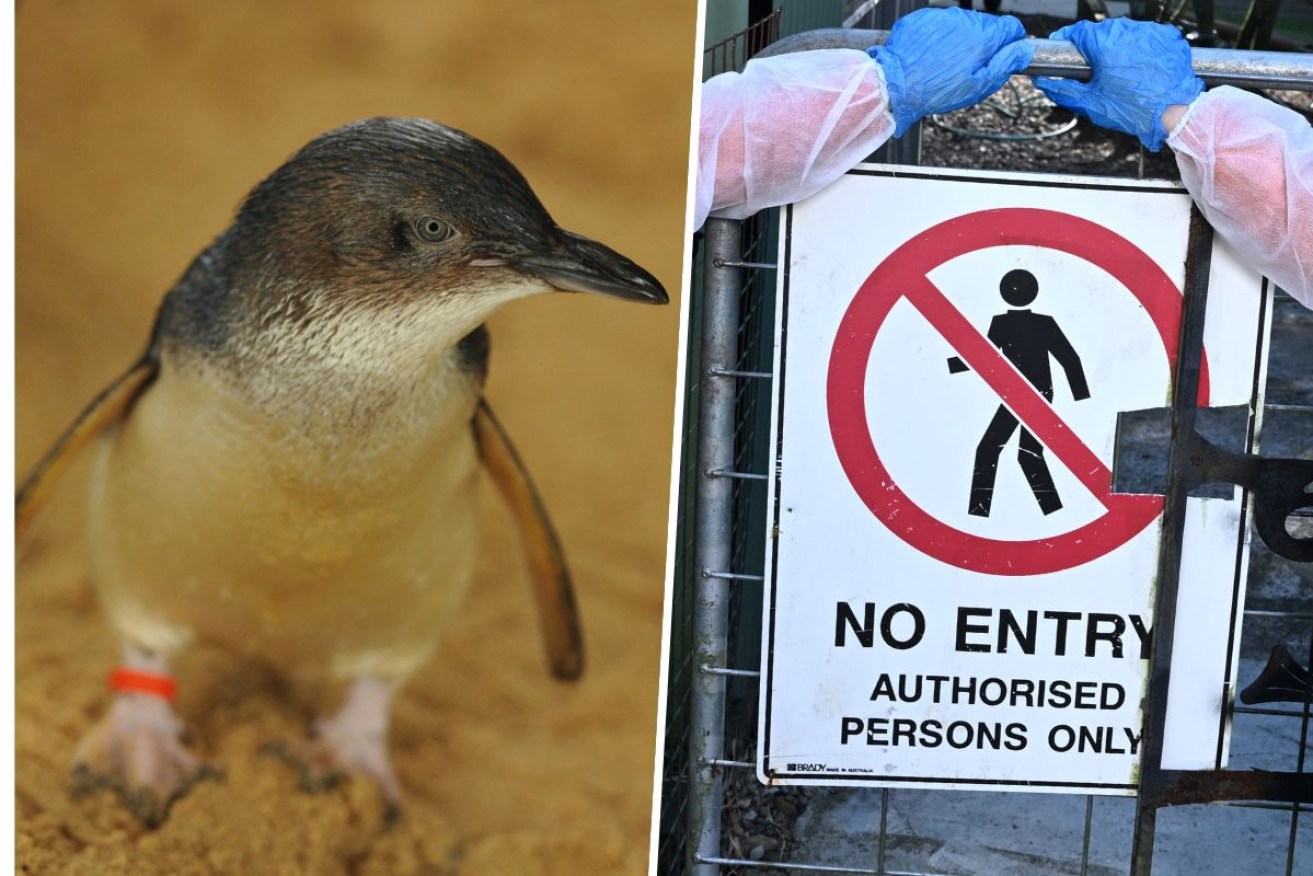
Little penguins will receive the bird flu vaccination. Photos: AAP
One in five Australian birds and mammals are facing a “high to extreme risk” from the escalating bird flu virus that’s starting to devastate wildlife, advocates say.
The deadly H5 strain’s impact continues to rise as Australia recorded its first domestic mass mortality event among birdlife during the past week, and the number of confirmed positive cases climbs beyond 100.
About 300 species, including about 30 per cent of Australian bird species, faced heightened danger from the deadly virus, the Invasive Species Council said in a statement, citing government data.
This includes 13 critically endangered and 70 endangered species or subspecies rated as at extreme, very high or high risk.
The Christmas Island frigatebird, little penguin, and Australia sea lion are among the species listed that face high or extreme risk.
The council urged $200 million in funding from the federal government to bolster the capacity for species to survive and recover from disease outbreaks.
“This is a shocking list which reveals the confronting extent of the potential disaster facing Australian wildlife,” Invasive Species Council chief executive Jack Gough said.
“This is a list of doom that demands a serious response. But instead we have had cuts to on-ground environment programs nationally.
“If the Albanese government doesn’t step up straight away with a genuine funding package to save wildlife, then they are not taking the bird flu threat to Australian animals seriously.”
Ecologist Lana Austin, from conservation group Earthcare St Kilda, said on Tuesday that bird flu was likely going to arrive at a little penguin colony in Melbourne’s bayside area, which consists of about 1400 of the birds.
“I’m pretty worried because I don’t want to lose one bird,” she told ABC Radio Melbourne.
“But the estimates we’re looking at about between 20 to 40 per cent of the population, which isn’t good.”
Agriculture Minister Julie Collins said Australia had learned lessons from overseas.
“We’ve done a lot of work there in terms of protecting their habitats, improving the biosecurity,” she told News24.
“We’ve also been working importantly with our industries, such as our dairy industry, our egg and our chicken-meat industries, to do everything we can do to improve their biosecurity systems, to keep it out of our agricultural production systems.
“We have also been very clear that this is very contagious and very virulent, and what we’ve seen across the globe is that it does spread and it spreads very, very quickly.”
While no cases of bird flu have yet been detected in Australian poultry, losses worldwide have been placed at 140 million birds.
–AAP
Want to see more stories from The New Daily in your Google search results?
- Click here to set The New Daily as a preferred source.
- Tick the box next to "The New Daily". That's it.
Gagging and blacklisting: What's going on in the NT


How Pauline Hanson might have finally gone too far