Royal commission process changed after veteran concern


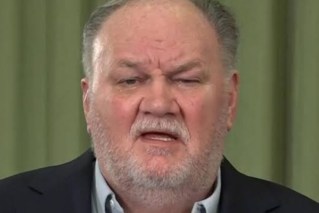
Veterans aired their opposition to the Veterans Department being a part of a key process in the royal commission. Photo: ABC/ADF
The federal government has admitted some veterans “may not be comfortable” with its plans for a royal commission into suicide, bowing to pressure from critics who had called for urgent change in how the landmark inquiry was to be set up.
The New Daily reported last week that veterans advocates had demanded the Department of Veteran Affairs be removed from the consultation process for the royal commission into suicide and mental health.
“So many veterans feel the department has been the primary source of their abuse, and now they’re being asked to engage with their abuser,” Heston Russell, retired special forces captain and founder of the Voice Of A Veteran, told TND last week.
In response to strong concerns from veterans’ groups and advocates, the government will no longer require people to give submissions to the Department of Veterans Affairs. Instead, veterans can submit their thoughts and concerns directly to the Attorney-General’s department.

Veterans affairs minister Darren Chester. Photo: AAP
Veterans Affairs Minister Darren Chester had tried to downplay the growing disquiet last week, saying he had met hundreds of “extremely positive and constructive” veterans and families, and stressing his department was following “standard practice”.
But on Monday, Mr Chester gave way, announcing the Attorney-General’s department would now be able to directly receive submissions, instead of his department having sole responsibility.
“I recognise that some veterans may not be comfortable engaging in this process through DVA,” he said.
“The government has listened to the concerns of these veterans who don’t wish to provide their input to DVA as part of this process and I have provided this feedback to the (Attorney-General Michaela Cash) who has agreed to accommodate those concerns and ensure that all voices can be heard.”
Submissions can be made through the Attorney-General’s website. Mr Chester’s office told TND submissions can still be made to DVA, and anyone who had already done so did not need to take any further action following Monday’s changes.
Mr Chester again asked people to see the royal commission as “a chance to unite the veteran community”, and said many veterans had already been “extremely thoughtful and constructive”.
“They are not interested in arguing amongst themselves, they want the wider military community to unite and make the most of this important opportunity to shape the direction of the royal commission,” he said, of the discussions he’d already had.
“My role is entirely consistent with other royal commissions where the portfolio minister undertakes consultation, but the actual drafting of the terms of reference is undertaken independently of my department by the Attorney-General.”
Retired Army officer Stuart McCarthy, a long-time campaigner for a royal commission, last week called the situation “outrageous”. He claimed the DVA having any input on the consultation “would be like putting the Catholic Church in charge of the terms of reference of the royal commission into institutional sex abuse.”
On Monday, he welcomed the update, but said it didn’t go far enough.
“I think it’s a good move to put a consultation process in the hands of the Attorney-General’s department. But I still think there’s serious problems,” Mr McCarthy told TND.

Veterans say current processes may undermine the royal commission. Photo: AAP Photo: Getty
“A lot of what I believe must come under royal commission scrutiny will involve [Mr Chester’s] ministerial staff and consultations with DVA staff.
Having Chester leading the process is still a problem.”
Mr McCarthy said he would like to see the Prime Minister’s department “step up” and take a central role in guiding the royal commission.
“We’d hope the PM will take some leadership and appoint either another minister, or another person in a leadership position which is removed from both Defence and DVA,” he said.
“That would restore some confidence in the process. It will get some of the most marginalised and vulnerable veterans, and their families, becoming more trusting of the process.”
Mr Chester said feedback, given to either DVA or the Attorney-General, must be submitted by May 21 and will be “carefully considered as the terms of reference for the royal commission are finalised.”
The federal government expects the royal commission will be set up formally in the second half of 2021, and run for up to two years.
- If you or anyone you know needs help contact Lifeline on 13 11 14



Labor must 'find courage' or lose more voters: Husic