Our supermarkets just got colder – what can we do about AI driving humans out of workplaces?


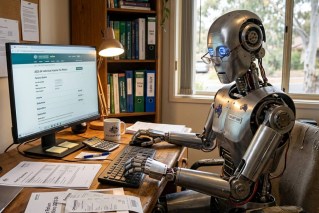
Supermarkets are at the forefront the AI takeover. Photo: Pexels
Shopping at Coles and Woolworths used to mean a warm greeting and a friendly chat at the register.
We all complained when self-checkout kiosks came in, then got used to them, just as we’ve got used to smart gates and surveillance, and fewer floor staff. Making phone calls means battling obtuse chatbots and automated menus. We got used to this, too.
The next thing? Mass redundancies. Last week, Coles announced more than 1000 jobs will be moving offshore, leaving hundreds of Australians without employment – all while investing heavily in artificial intelligence. Back in June, Woolworths announced a similar plan. Will our grocery prices reduce? Don’t bet on it.
This trend is not limited to our supermarket duopoly. Over the past year, we have seen major financial institutions retrenching hundreds and sometimes thousands of employees. The ANZ Bank and Bendigo Bank were among the first, and you can be sure this is the tip of the iceberg.
When I’m on LinkedIn, I see a virtual graveyard of rows and rows of individuals with “open to work” highlighted on their profiles. As organisations choose AI over people, there will eventually be a tipping point. Some will have the skills to remain employed, others will lag behind.
We who work in the technology sector are watching carefully. We know what we’re seeing – technology is building a colder world. Tech does not nurture relationships, it does not feel, and it does not care about people.
More organisations are using AI to improve productivity. There have been hiccups on the way: Some companies, like the Swedish outfit Klarna that replaced 700 staff with AI, have had to backpedal due to customer backlash. However, as AI improves and we can no longer tell the difference, how safe are our jobs?
I have worked in the technology sector as a CEO and CIO leading significant change, and I’ve seen what happens. If tech drives how our organisations treat their people, it has huge psychological and emotional implications. When we put technology over people, we lose our humanity.
So, what is the solution?
Organisations must make profits, otherwise no one has a job. I get that, but to what end? I don’t have all the answers as this problem is large and complex, but I do know when you are faced with a moment of disruption – like a redundancy – there are actions you can take.
First, build a strong village of support around you. This can include family, work colleagues, mentors, sponsors, community groups and people with lived experience. All these individuals can help you when you are impacted by a fraypoint.
Second, diversify your knowledge. Learn what you need to remain competitive in the job market. This is solely up to you, and it will take time, so start now.
Third, stay curious about the future and open your mind to other options and opportunities. Fear brings a narrow focus, and this is the opposite of where we need to be right now.
At a structural level, businesses and governments need to shift their focus away from presenteeism in the workplace and look at incentives to keep jobs onshore instead of farming them overseas. I was cheered to hear that South Australia is establishing Australia’s first royal commission into AI, set to begin on October 1, to look at what AI is doing to jobs, the future of work, skills, training and education. We should push for one in every state, or have a nationwide inquiry.
And now is the time to start a conversation about a measure like the universal living wage – because when you replace people with machines, you also take away consumers with money to buy products.
Every choice we make affects everything else.
Next time you’re pushing your shopping trolley through an automated gate, remember AI does not think or feel the way we humans do. As AI continues its relentless ascent, I urge everyone to resist the temptation to use it for everything.
Instead, we must use every drop of creativity and imagination we have. That is our advantage and we must hold onto it if we want to keep living in a warm, human world.
Mary-Beth Hosking is a change leader, best-selling author and speaker, and former CEO of Women4STEM with more than 30 years of tech experience