Shark drones make for a safer summer but no guarantees
Source: Facebook/Maroubra Community
Before last summer, Australians often perceived shark predation as an out-of-sight, out-of-mind risk endemic to remote communities.
Then came the string of attacks, two of them fatal, at beaches off the nation’s most populous coastline.
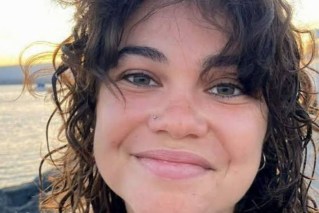
The most recent involved young Sydney mum Leah Stewart, who barely escaped with her life after being bitten at Coogee in June.
If it wasn’t already the case, the assault slammed home the danger lurking in waters where there had once been little need to worry.
Less than a year earlier, 57-year-old surfer Mercury Psillakis was killed in an attack at Dee Why on the city’s northern peninsula.
So began a summer where the risk seemingly posed to five million Sydneysiders was splashed across websites and nightly news bulletins.
In response, the NSW government launched a $120 million world-leading shark mitigation program, to be rolled out over two years and feature near constant daylight monitoring of Sydney beaches.
It also includes two new listening stations tracking tagged sharks in the harbour for the first time, and smart drum lines to bait and release potential problem animals.
The government also shelved its own environmental concerns to install 51 traditional mesh nets at beaches between Newcastle and Wollongong.
Expanding drone monitoring has been broadly welcomed, including by Psillakis’ brother Mike who said the technology could be truly lifesaving.
“I believe that if there was a drone on the days my brother and Leah were attacked, my brother would be with me and Leah wouldn’t have those injuries,” he said.
Stewart, 35, fended off a four-metre great white with a flurry of punches. But the injuries that resulted meant she had a series of operations, including the amputation of her left arm.

Young mum and teacher Leah Stewart lost her arm after a shark attack. Photo: AAP
The drones are not without room for error, however, with operators required to manually observe a screen and make decisions on when to evacuate beaches.
Marcel Green, who runs the NSW Department of Primary Industries shark program said it was a matter of when, not if, there was a serious attack while a drone was in the air.
On January 19, a young male surfer at Dee Why beach – the same beach where Psillakis was fatally attacked – had his board bitten through by a shark while a drone was monitoring the area.
“The young fella, I think he saw the shark and then got bumped off his board by it, and then that shark bit his surfboard,” Green said.
“On that day we we had a drone operating … probably 500-600 metres away.”
The incident happened the same day 25 year-old Andre de Ruyter lost a leg after being bitten while swimming at North Steyne Beach in Manly, and a day after 12-year-old Nico Antic was fatally mauled off Shark Beach at Vaucluse.
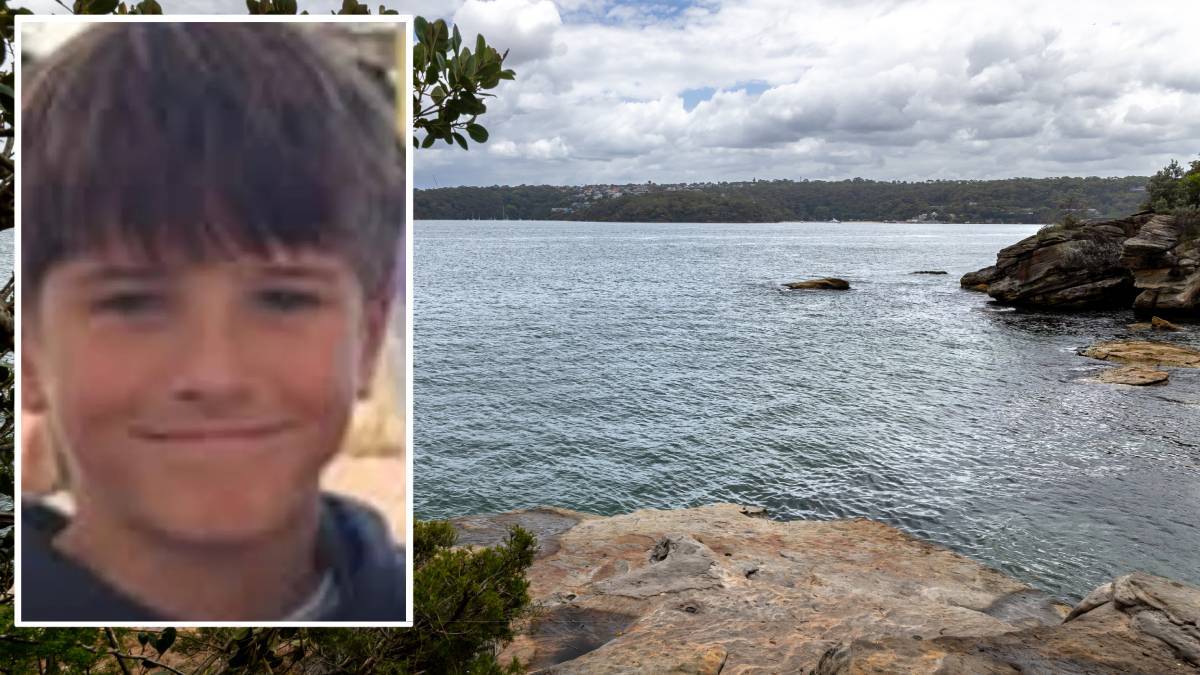
Twelve-year-old Nico Antic died in hospital after being mauled. Photo: AAP
University of Sydney shark attack policy expert Chris Pepin-Neff has been vocal about the risks and why the upcoming summer could be one of the worst.
“There is no shark-proofing Australia,” Pepin-Neff said.
With an El Niño weather pattern taking grip across Australia, the heat is one factor potentially exacerbating the issue.
Notoriously aggressive bull sharks prefer warmer waters. Warmer weather also means more swimmers and more bull sharks entering Sydney Harbour.
“We need to be well and truly braced with our expectations because I believe the year is going to bring more human shark interactions,” Pepin-Neff said.
“We have to treat the beach like the bush.
“You can have the best surf lifesavers in the world and the best technology in the world, and the wild is still the wild.”
With sharks constantly tracking up and down the coast, authorities will have to balance safety with evacuating beaches in what shapes as a scorching summer.
Drone operators first and foremost are reminded they are not expected to offer a 100 per cent protection, with murky waters just one factor they cannot control.
“We’re always driving home the message that you know even if the worst thing does happen, this isn’t your fault,” Green said.
“You’re here trying to provide a community service and prevent something that some people say is inevitable anyway.”
Mike Psillakis is saddened about the effect of his brother’s death on their local surfing community, with some members thinking twice before paddling out and many parents concerned about their children.
“I say to them that the ocean has never been safer with the drones operating and yet still they’re rattled,” Psillakis said.
“We’re a surfing nation, we love the beach and our coastlines are some of the nicest in the world,” he added.
“It’s pretty sad actually.”
Want to see more stories from The New Daily in your Google search results?
- Click here to set The New Daily as a preferred source.
- Tick the box next to "The New Daily". That's it.