Time for a clean break with dishwasher habits

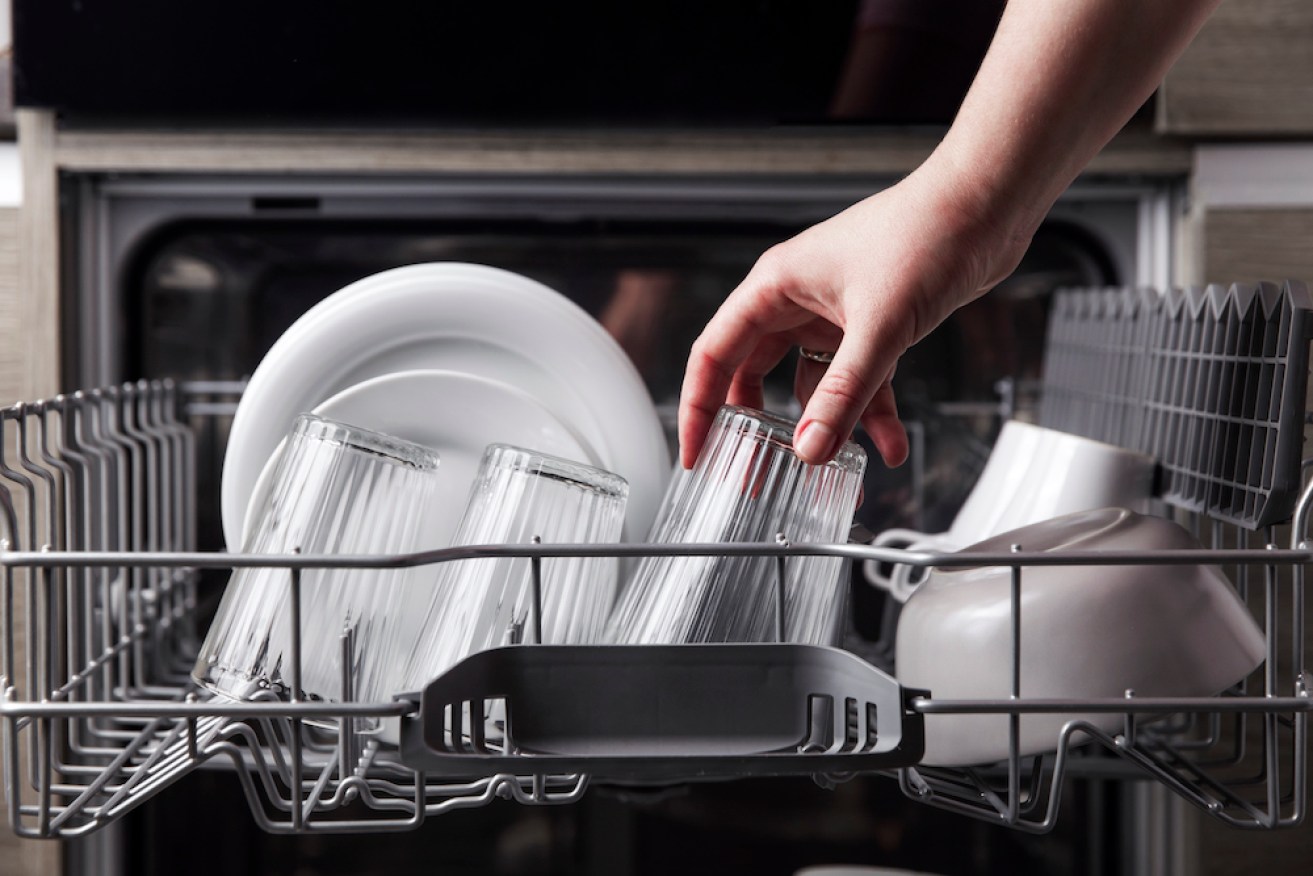
Photo: Getty
It turns out there is a wrong way to use your dishwasher, but it’s not the “lazy” way.
Ashley Iredale is Choice’s whitegoods expert and he knows how to get the best wash and the cleanest dishes every time.
It’s actually the things you don’t do that can make the biggest difference, Choice said in a recent post.
The good news is, it won’t require any more effort. If anything, you’re already doing too much.
Don’t rinse
Putting your dishes straight in the dishwasher without a quick rinse might feel wrong, but it’s the right thing to do.
“By all means, scrape your dishes before putting them in the dishwasher, but there’s no need to rinse – it won’t make your dishes any cleaner and it’ll just use more water,” Mr Iredale said.
“Plus, by rinsing your plates clean before washing, you’re showing a complete lack of faith in your dishwasher’s ability to do the one job you paid all that money for it to do.”
Once you’ve stacked your dirty dishes, don’t waste time by putting the dishwashing tablet in the dispenser.
Mr Iredale never bothers fiddling with the dispenser – instead, he just throws it at the bottom of the dishwasher.
By doing so, you get the same results and you save a few seconds.
He said detergent dispensers are mainly designed for powdered detergents and they don’t actually open until after the first rinse cycle.
This is done to prevent powdered detergents from going straight down the drain before washing your dishes. However, tablets are different – they’re too big to be washed away.
“By having them loose in the tub from the get-go, it gives the dissolvable wrapper a head start in the initial rinse, so the tablet itself is more readily available from the start of the wash cycle,” he said.
“This is especially important if you’re running a quick wash program, where there’s less time for the detergent to work, or if you find the dishwasher tablet’s wrapper hasn’t dissolved by the end of the cycle.”

It’s best to only turn the dishwasher on when it is full. Photo: Getty
Leave out the good knives
Mr Iredale says a full dishwasher is an efficient dishwasher.
If your dishwasher is half stacked, you’re using just as much water and energy as a full load.
Also, your dishes will dry better if there are more dishes. That’s because the hot water in the machine heats up crockery that then retains that heat, helping everything else dry better.
However, leave out the good knives.
The movement inside the dishwasher can erode a knife’s edge and the chemicals in the detergent, paired with the hot and humid environment, can corrode high carbon steel.
“If you’re going to spend money on good knives, don’t chuck them in the dishwasher to save time – they’re a handwash-only item,” he said.
“Not to mention that a dishwasher full of sharp knives is an accident waiting to happen.”
Handwashing knives seems like a hassle, but by neglecting to do so, you’re wasting time by needing to sharpen them more frequently, or you’ll injure yourself trying to cut something with a blunt knife.
Doors – an open and shut case
If you shut the dishwasher door after you’ve unpacked a load, you’re not giving the machine time to dry out and this could lead to mould and then bad smells.
You don’t need to keep it open fully, just leave it slightly ajar, Choice advises.
“It also pays to wipe your dishwasher’s door seals down with a soft, damp cloth as part of your weekly cleaning routine to remove food scraps and keep dishwasher door seals in tip-top condition,” Mr Iredale says.