How the card surcharge ban will affect you at the checkout
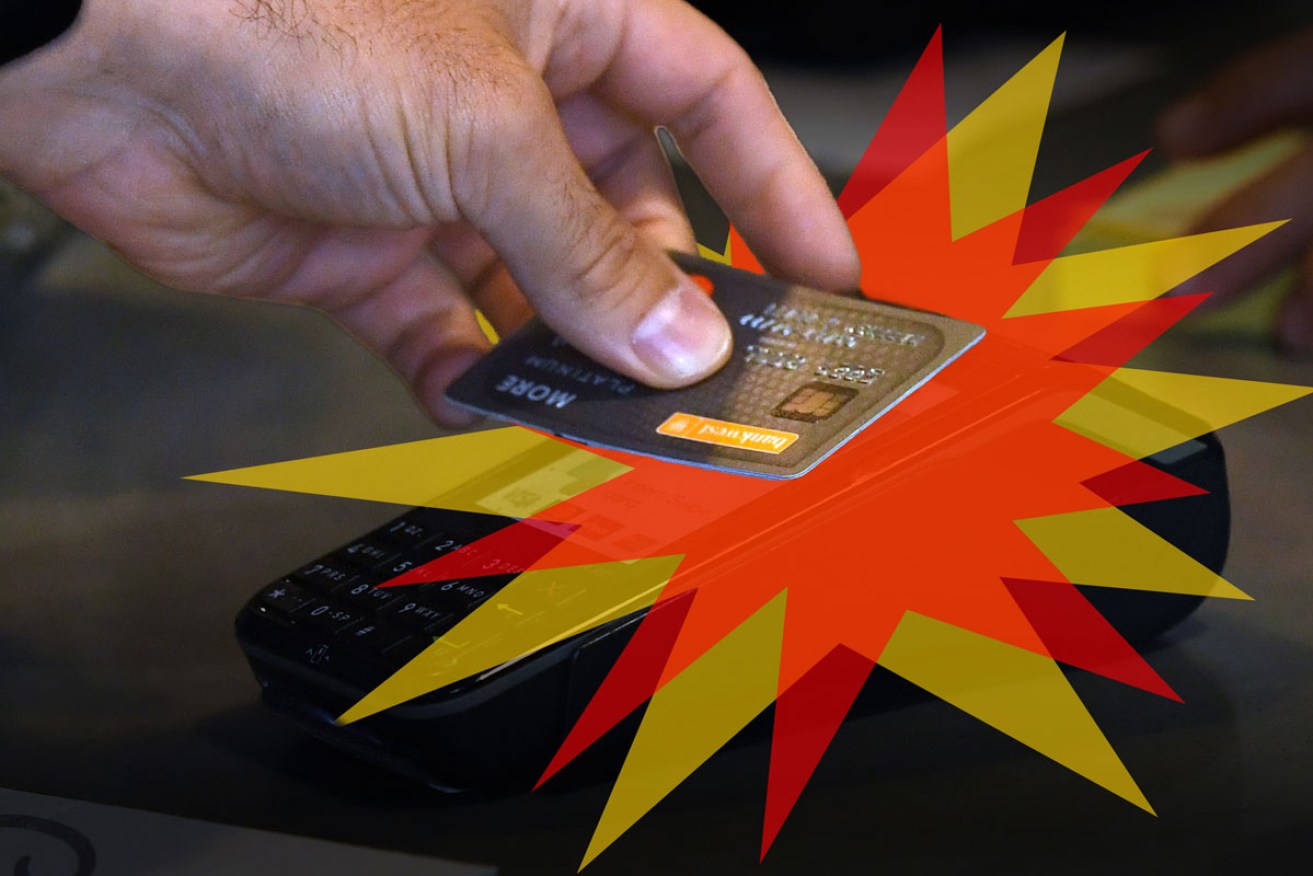
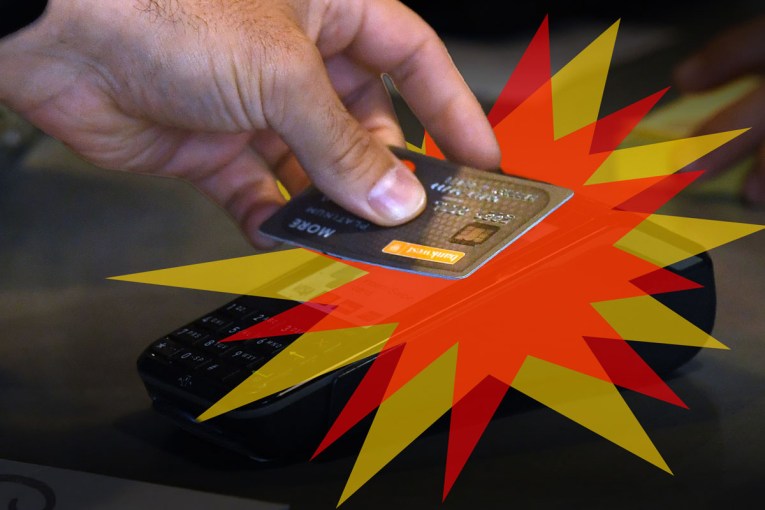
Australians now use cards for almost three out of four payments. Photo: AAP
From October 1 this year, businesses will be banned from adding a surcharge when customers pay with a debit, credit, EFTPOS or prepaid card.
The Australian Restaurant and Cafe Association has said it “will be one of the largest changes in payments” in Australia’s history – and many small businesses “are unprepared for its arrival”.
The change follows a lengthy Reserve Bank of Australia review and decision to remove surcharging from all designated card networks (EFTPOS, Mastercard and Visa). American Express is voluntarily joining the change.
When the Reserve Bank first effectively allowed card surcharges in 2003, Australians mostly paid in cash.
Cash still accounted for 69 per cent of payments in 2007, when the central bank first began tracking payment methods usage. Back then, debit and credit cards were used for only one in four payments.
Now, cards make up almost three out of four payments. Debit cards are Australians’ favourite way to pay, making up 49 per cent of all payments in 2025, while credit cards came second, used for 23 per cent of payments.
Here’s what will change for shoppers, and what businesses will and won’t be allowed to charge at the checkout.
What paying by card costs now
Every time you pay with your card, it costs the business money to accept it. The current cost varies: 0.43 per cent for an EFTPOS debit card, to about 1 per cent for Visa or Mastercard credit cards, up to 1.36 per cent for American Express credit cards.
Without the ability to add on a card surcharge, a business owner will have two choices: Absorb the remaining cost themselves, or build those costs into slightly higher prices – passing the costs on to all customers, regardless of how they pay.
Where customers will see changes
Assuming some businesses do pass costs on to customers, shoppers regularly using cash can expect to see the biggest difference, given they can currently avoid card surcharges.
Cash made up around 15 per cent of consumer payments in 2025, but it’s used for almost one in four purchases under $10.
If you’re shopping at most large retailers – such as Woolworths, Coles or JB Hi-Fi – there shouldn’t be any difference from October 1. Most large businesses don’t currently apply card surcharges at the checkout.
The change is more likely to be noticeable when buying from the 16 per cent of businesses that have had card surcharges, including Aldi supermarkets, local grocers, cafes, restaurants, some tradespeople and some online stores.
What does it mean for prices and inflation?
The Reserve Bank has acknowledged businesses will still incur costs when accepting cards after October 1 – and that “those costs can be reflected in a business’s overall pricing”.
If all card surcharge costs were instead built into prices, the Reserve Bank has estimated it could add about 0.1 per cent as a small, one-off impact on measured inflation. While consumers have already been paying these costs via payment surcharges, those weren’t included in the Consumer Price Index (CPI) used to track inflation.
The central bank argues this will reflect what most customers say they want: no surprises at the checkout.
Consumers who shop at businesses that currently surcharge will pay similar amounts as they are paying now (just in a different form, via the sticker price rather than the surcharge).
Some price changes are already on the way.
This week, Flexischools – used by more than 2100 schools across Australia for canteen orders – notified parents that from October 1, it will increase its existing order fee by 6 cents per student, per order, plus introduce a $10 minimum at checkout “to help manage the cost of processing small payments now that surcharging has been removed”.
What’s changing for businesses?
Behind every card payment are several costs, including “interchange fees”: A fee paid by a payment service provider (such as Paypal, Stripe or Square) to the cardholder’s bank.
The Reserve Bank aims to lower wholesale card payment costs for businesses by about $910 million a year by cutting those interchange fees.
The cap on consumer credit card interchange fees is falling from 0.80 per cent to 0.30 per cent, a reduction of 50 basis points. Debit and prepaid card caps are falling from 0.20 per cent to 0.16 per cent, while commercial credit cards remain unchanged at 0.80 per cent.
Business savings will vary
Large businesses generally have the scale and bargaining power to negotiate lower payment costs. Reserve Bank data show large merchants typically pay around 0.6 per cent in payment costs.
In contrast, Reserve Bank data shows the vast majority of small businesses (81 per cent) are on a different type of pricing plan. This means they typically pay around 1.4 per cent of the transaction value now to accept cards.
Before these October 1 changes, that’s why many small businesses often charged a card surcharge fee of about 1.4 per cent at the end of a transaction.
After October 1, businesses should see some reduction in what they’re charged to use cards, because the consumer credit card interchange cap is coming down by 50 basis points.
However, Australia’s biggest bank, the Commonwealth Bank, has announced that from October 1, it will reduce its flat merchant rate from 1.10 per cent to 0.99 per cent per transaction.
This illustrates the point: A 50-basis-point cut in the wholesale interchange cap will not automatically translate into a 50-basis-point reduction in what every business pays.
Other surcharges will survive
The October 1 changes only affect card surcharges.
They do not apply to weekend surcharges, public holiday surcharges, or booking fees or service fees you might see on your bill.
Taxi fare surcharges can also continue, as they are regulated separately by states and territories.
From October 1, Australian customers will no longer be annoyed by a surprise “card surcharge” at the checkout. But businesses will still need to cover some card payment costs.
The only question is how: Either taking a financial hit themselves, or by slightly increasing prices.
Vibhu Arya, PhD Researcher, UTS Business School, University of Technology Sydney
This article is republished from The Conversation under a Creative Commons license. Read the original article.

Want to see more stories from The New Daily in your Google search results?
- Click here to set The New Daily as a preferred source.
- Tick the box next to "The New Daily". That's it.