Telstra board to reflect on backlash over executive pay
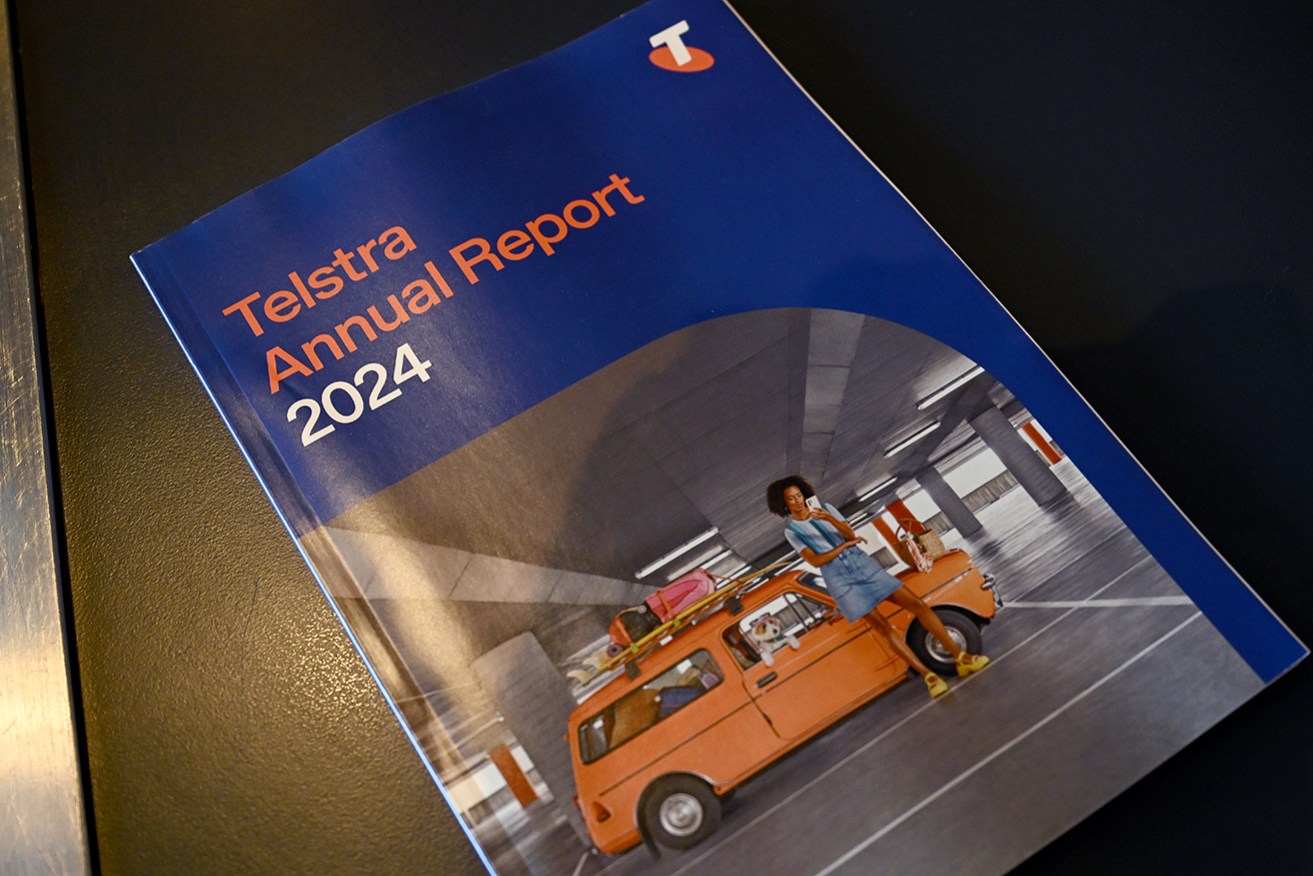
A total of 15.4 per cent of shares were cast against the Telstra's remuneration report on Tuesday. Photo: AAP
A sizeable minority of Telstra shareholders have voted against its remuneration report after its decision to lay off thousands of workers, which cost around $300 million in redundancy payments.
A total of 15.4 per cent of shares were cast against the Telstra’s remuneration report on Tuesday, with 84.6 per cent in favour.
A super-majority of 75 per cent was needed to pass the report, meaning the company won’t cop a “first strike,” but it’s still far more in past years.
Last year just 2.9 per cent of shares were cast against Telstra’s remuneration report.
New chairman Craig Dunn told the meeting that two proxy advisers had concerns with how the company rewarded CEO Vicki Brady, in a year that saw a $311 million write-down of the Telstra Enterprise business and $300 million in restructuring costs related to the layoff of 2800 workers.
“I appreciate that there are always a range of views on remuneration, but I would like to emphasise that the board made careful and deliberate decisions on both these items, with the fundamental driver being to act in the best interests of shareholders now and into the future,” he said.
The layoffs in Telstra’s enterprise division was an unpopular and difficult decision to make, but it was in the best interest of shareholders, he said.
“We didn’t think it was right to penalise management for taking decision that are clearly in your best interests as shareholders, and that’s why we took the approach we did to that particular item,” Dunn said.
Under Telstra’s executive variable remuneration plan, Brady receives $2.4 million annually in fixed compensation, with the potential to earn up to $7.2 million more in bonuses paid in cash and restricted shares.
Dunn said the proxy advisers he spoke with who had recommended a vote against the pay packet did say Telstra’s remuneration structure was well aligned with the interest of shareholders and market leading in its transparency.
He said the board would consider in detail the feedback the board had received and reflect on the approach taken.
Dunn said that Telstra’s mobile and infrastructure business was continuing to perform strongly, while the reset of its disappointing enterprise business will take time, discipline and focus.
“As we move into the final year of our T25 strategy, the board continues to be very confident in the company’s outlook,” he said.
Brady told shareholders that changes that affect Telstra’s people were never easy, and she didn’t underestimate the impact they had.
“I am optimistic about the opportunities ahead,” said.
“Telstra’s digital infrastructure and network will be increasingly central to how Australians live and work, and we are focused on investing sustainably to deliver for our customers and our shareholders.”
-AAP

Raising the rate of JobSeeker would save lives

Pain for borrowers as RBA lifts rates again