Unemployment rises, but a September interest rate hike still looks likely

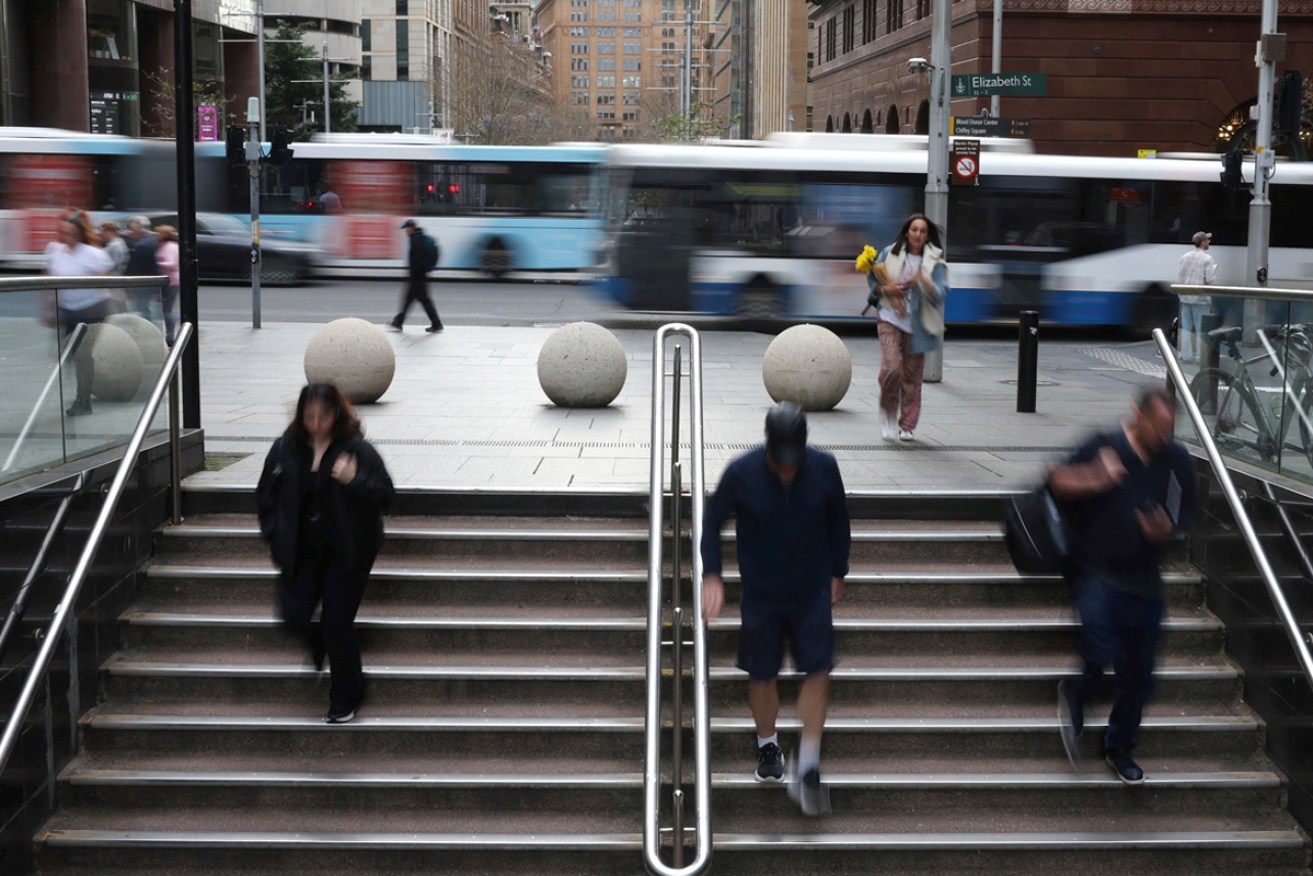
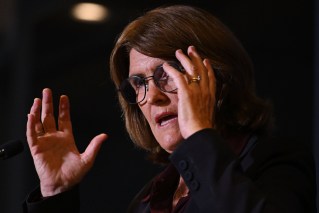
Unemployment is trending up, but it's unlikely to be enough to get the RBA to hit another pause on interest rates. Photo: AAP
Unemployment rose to 4.6 per cent in August, new Australian Bureau of Statistics figures show. That’s the highest it’s been since November 2021.
Since the start of this year, Australia’s unemployment rate has increased by 0.5 percentage points, up from 4.1 per cent last December.
However, that upward trend appears unlikely to dissuade the Reserve Bank board from lifting interest rates next week, given the central bank’s recent stern warnings about fighting inflation.
On Tuesday, Reserve Bank Governor Michele Bullock warned that unemployment may need to rise further to help rein in inflation:
“I think [an unemployment rate] between 4.5 per cent and 5 per cent will probably take enough heat out of the labour market that it’ll ease pressure on inflation.”
Based on these latest numbers for August, a 5 per cent unemployment rate would equate to about 55,000 extra Australians out of work. That would be in addition to the 28,000 who became unemployed between July and August.
Job trends since December
So far in 2026, employment has grown by about 1.2 per cent. This has been just enough to keep the proportion of the population who are employed at the same level as the end of 2025, at 63.9 per cent. That is down a little from its peak during 2023 of 64.4 per cent, but still well above the proportion of people employed before the pandemic.
So, if the proportion of Australians who are employed has stayed the same since the end of 2025, what’s behind the rate of unemployment rising from 4.1 per cent in December to 4.6 per cent in August?
This is because an increasing proportion of Australians are wanting to work. Since December, the labour force participation rate rose by 0.4 percentage points, to reach 67.1 per cent in August.
Meanwhile, “underemployment” – the proportion of employed people who would like to work more hours – has also grown, from 5.7 per cent in December to 6.2 per cent in August.
Why it’s tougher for young job seekers
As the labour market goes through ups and downs, not all groups are equally affected.
Young people are the most exposed. Trying to move from education to work, they always make up a large share of job seekers. Because of that, they are most affected when hiring slows down or speeds up, usually a beacon for what is happening in the labour market.
In late 2022, at the peak of the upswing in Australia’s labour market, the proportion of young Australians (aged 15 to 24 years) who are employed had risen to 66.6 per cent, from 59.6 per cent before Covid. In August, that proportion was back to 64 per cent.
What it means for interest rates
Today’s update on the labour market comes just before next week’s Reserve Bank board meeting.
Financial analysts and Australia’s big four banks are now overwhelmingly tipping a 0.25 percentage point rise in the cash rate, up to 4.6 per cent, to be announced on Tuesday. That would be the fourth rise so far in 2026.
The Reserve Bank governor and other senior figures from the central bank have spent the past few weeks publicly warning about the need to do more to get inflation under control.
Their explanation for why inflation is too high has been twofold.
First, the impact of higher oil prices flowing through the economy. Second, they’re worried about a “tight” labour market. A tight labour market means businesses that can’t find enough staff need to offer pay rises to attract and retain workers. Those wage increases are a cost to businesses. If possible, most will want to pass those costs on to consumers in higher prices. That can push up inflation.
But whether the labour market is indeed “tight” – potentially justifying an interest rate rise – merits serious scrutiny.
Unemployment isn’t a reason to lift rates now
The Reserve Bank’s August monetary policy statement showed growth in labour costs only minimally above the level consistent with the bank’s 2-3 per cent inflation target.
A majority of its other indicators of jobs market tightness are close to, or below, their historical trend levels.
The average view expressed by the Reserve Bank’s expert panel of market forecasters in August was that the rate of unemployment at which the labour market would be “in balance” – not causing excessive wage inflation – was 4.4 per cent. That’s below the current rate.
The maintenance of a high rate of labour force participation during recent times also mitigates against the case for a “tight” labour market.
Australia’s current rate of inflation may be a valid reason for the Reserve Bank board to increase the cash rate at next week’s meeting. But claims of a tight labour market are not a valid explanation for that inflation.
And if the Reserve Bank does increase the cash rate, causing an increase in the rate of unemployment, that will be collateral damage from the attempt to control inflation – not unemployment moving to where it needs to be.
Jeff Borland, Professor of Economics, The University of Melbourne
This article is republished from The Conversation under a Creative Commons licence. Read the original article.
Want to see more stories from The New Daily in your Google search results?
- Click here to set The New Daily as a preferred source.
- Tick the box next to "The New Daily". That's it.

RBA’s inflation warning stokes rate rise fears

More pain as IMF backs rate rises