Boom time for Salvos as shoppers want secondhand bargains

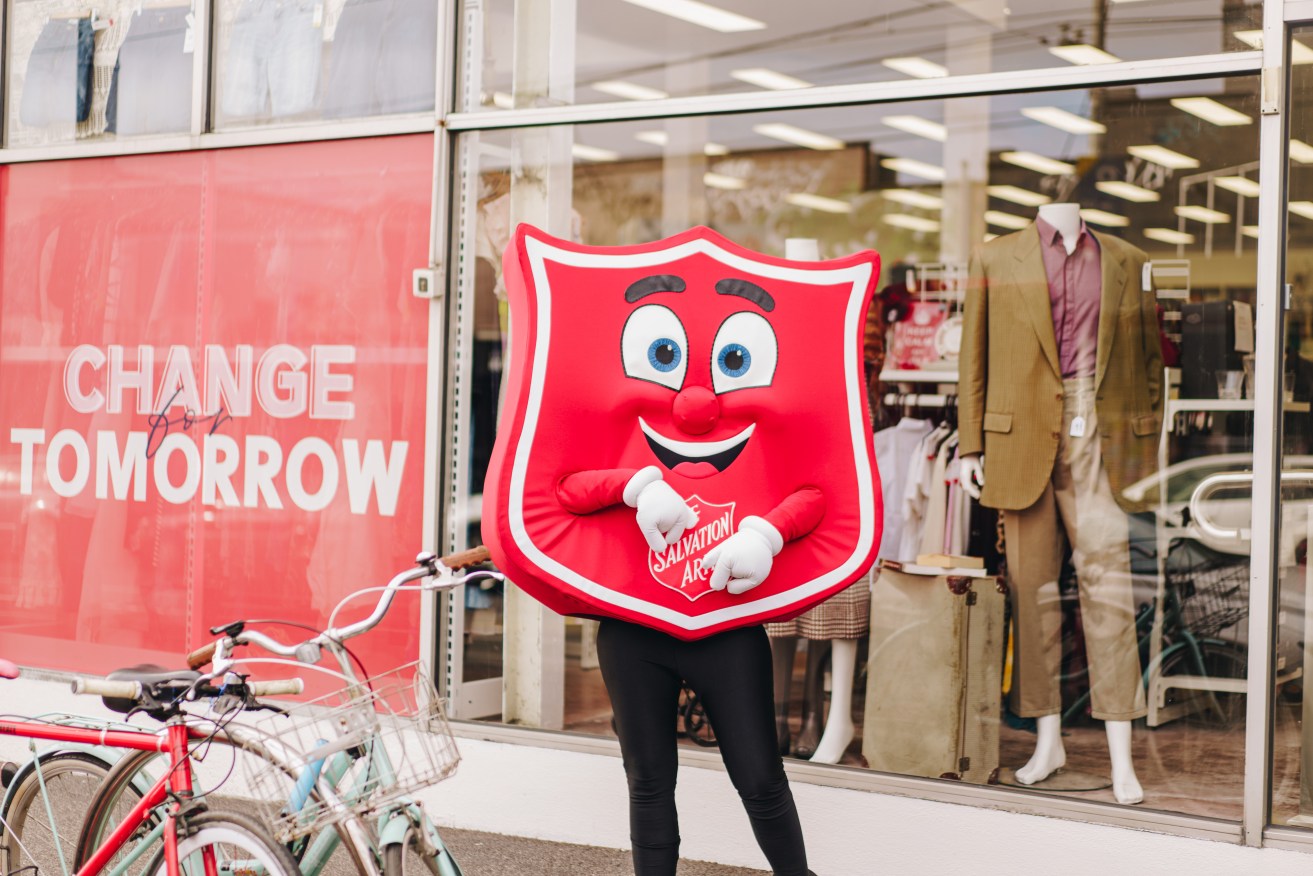
The Salvation Army is expanding its retail footprint rapidly in 2024. Photo: Salvos
A surging demand for secondhand goods has meant a huge expansion for the Salvation Army’s retail arm, with the opshop even opening a store on Melbourne’s trendy High Street.
The 144-year-old charitable organisation unveiled ambitious plans this week to open more than 35 stores nationwide in 2024 in what national director Matt Davis called an “evolution” in its strategy.
Davis told The New Daily that about 300,000 Australians are now visiting Salvos stores every week amid a huge rise in secondhand shopping and years of investments in store experience.
“We’re aiming to be an affordable solution for Australians where they can be part of the circular economy and then to do something positive for both people and the planet,” he said.
The store expansion comes while most of the retail sector is consolidating due to cost-of-living woes that has seen a fall in discretionary spending.
But Retail Doctor Group chief Brian Walker said the Salvos and other opshops are succeeding where other retailers are struggling because they offer more affordable secondhand goods.
Walker has been consulting with opshops nationally for more than a decade, and says there has been a big jump in the quality of their retail stores as consumer interest has surged.
Billion dollar sector
He said the sector is now worth over a billion dollars a year and has been growing at a double-digit rate as consumers – particularly millennials – embrace opshops.
“They’re wearing this clothing as a bit of a badge of honour – it’s still relevant to those needing clothing at a very cheap price, and there’s also people who wear their salvos jumpers and jackets with pride,” Walker said.
Salvos newest store on Melbourne’s High St is a prime example; opened last week as the organisation’s 400th location, situated on what one outlet called the “coolest street in the world”, packed with trendy cafes and fashion boutiques.
Traditionally an opshop might have seemed out of place on a street like that, but Davis said that opshops have changed markedly in recent years thanks to investments in their stores – including removing carpets, installing new lighting and new fixtures to display products.
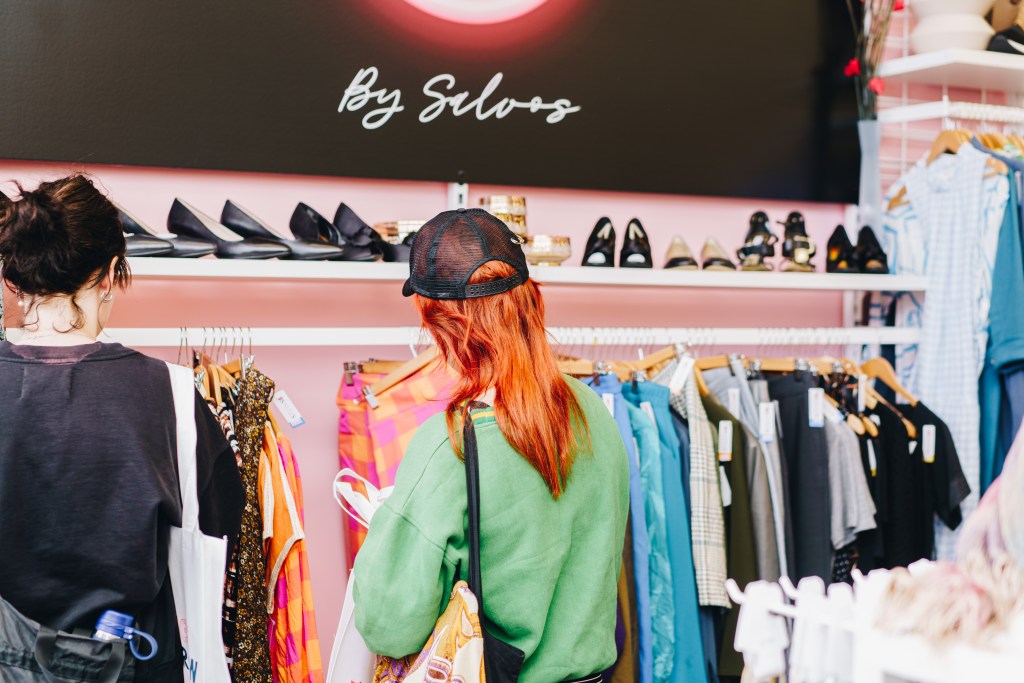
The Salvos new Northcote store opened last week.
Walker said that the Salvos have invested in providing a market leading retail experience.
“Retail standards in the sector have improved dramatically and the Salvation Army is a standout – they’ve focused on replication, scalability and process efficiency,” he said.
“People shop at opshops with a mission; they are bargain hunters, but it’s entertainment in itself and Salvos have picked up on that very neatly in their shop distribution model.”
But Davis says all those changes don’t mean the Salvos is abandoning its traditional purpose.
“While we have worked on a lot of those retail fundamentals we’re very clear that we’re here for those doing it the toughest,” he said.
“Every year we provide over $3 million worth of goods free of charge to make sure people experiencing hardship have got a place they can go.”
The success of opshops has also coincided with growing criticism of the global fast fashion industry, which has fallen out of favour with some (particularly younger) shoppers amid reports about huge amounts of carbon emissions and poor standards for garment workers.
Australians are throwing away on average 23 kilograms of clothing a year, most of which ends up in landfill, and with no government system that collects unwearable clothing, charities like the Salvos are responsible for ensuring millions of items get recycled.
Walker said millennials are now the biggest spending group in Australia and are clearly voting with their wallets, prioritising shopping that aligns with their social values.
“Social purpose and the environment are all really critical issues,” Walker said.
“Shoppers are picking up on the circular economy.”
Raising the rate of JobSeeker would save lives

Pain for borrowers as RBA lifts rates again