Fewer discounts: Reserve Bank boss issues inflation warning on corporate profits


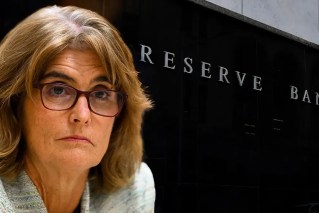
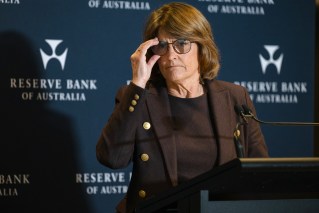
Philip Lowe says workers and businesses alike must share the pain of reducing inflation. Photo: TND
Reserve Bank boss Philip Lowe wants businesses to offer shoppers more discounts, saying corporate profits must fall to curb soaring inflation and avoid a “damaging” economic downturn.
Speaking to the House Economics Committee on Friday, Dr Lowe said bosses and workers must share the pain of subduing price pressures.
He also signalled more interest rate hikes will be needed this year to help bring inflation back below 30-year highs and avoid a recession.
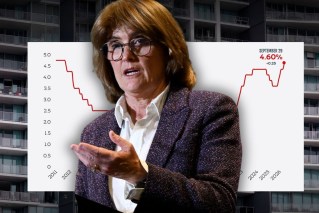
The Reserve Bank has pushed its cash rate target from a record low to 2.35 per cent through five hikes in a row since May – a record.
Dr Lowe issued a “warning” on profits: Rates may need to rise further if businesses use inflation as a “cover” to fatten their bottom lines.
Australia must ensure “super high profit margins” don’t become a bigger source of inflation alongside higher wage growth, which he warned could also make the Reserve Bank’s job much more difficult.
“We’re relying on wage growth not picking up too much more … [and] on profit margins not rising further, [and] in fact coming back a little bit in some industries as demand stabilises,” he said.
“Wages growth is much less than the inflation rate – that’s really tough for people – but if we hold together on these two things … then next year we can look forward to growth in real wages.”
Lowe calls for discounts
Rising corporate profits have been tied to soaring inflation by some experts recently, but there’s little consensus about the role corporate returns are playing in higher prices more broadly across the nation.
Dr Lowe said he’s not seeing “price gouging”, but acknowledged firms have not been discounting as much because demand has been high.
“In some industries there has been an increase in margins,” he said.
“Many firms say to me they want more workers, they don’t want more customers at the moment. And when that’s your mindset you’re going to push your margins up.”
Many large retailers have said discounting fell sharply during the pandemic, but asTND has reported, some executives think this could spark a longer lasting change that could drive fewer sales in the future.
The RBA expects profits will fall as consumer demand slows under the pressure of five straight rate hikes and an ongoing cost-of-living crisis.
But asked whether he was confident that profits would fall, Dr Lowe said he “didn’t know” and was merely “raising it as an issue” for inflation.
“We’ve got to get recalibrated where at least some businesses are saying again that they’d like more customers, and perhaps [they’re] going to discount to get them,” he said.
Real wage decline necessary: Lowe
In the meantime, workers are being asked to suffer under sharp falls in real wages, with annual inflation set to peak above 7 per cent later this year while growth in pay packets is still below 3 per cent annually.
Dr Lowe conceded it would be difficult for households to see purchasing power erode, but said it would be worse if wages matched inflation.
“The alternative is for people to get full compensation for inflation this year,” Dr Lowe said.
“If inflation is 7 [per cent] this year and wages are 7 [per cent to] compensate people, then what’s inflation going to be next year? High.
“We would respond to that prospect with much higher interest rates and a marked downturn.”
More than $270 billion in savings accumulated during COVID is insulating some households from the cost-of-living crisis – but RBA data aired at the hearing on Friday showed it was not evenly distributed.
About 80 per cent of excess pandemic savings belonged to households in the top 40 per cent of income distribution, RBA’s data revealed.
More rate hikes to come
Dr Lowe also told the committee on Friday that it was likely the RBA will pass through another interest rate hike in October, but that the board is still considering how big the increase will be.
He previously flagged that as interest rates go higher it stands to reason that the case for slower rate hikes is growing.
“It will really come down to how we view the balance of these risks … what’s going on in the global economy, how price and wage setting behaviour is adjusting here, and how household spending responds.
“But as interest rates get higher it’s common sense that the need for big adjustments gets smaller.
“At some point we will not be needing to increase interest rates by 50 basis points [percentage points] at each meeting, and we’re getting closer to that point.”

Raising the rate of JobSeeker would save lives
Pain for borrowers as RBA lifts rates again