Sharemarkets could fall 20 per cent on the back of coronavirus fears
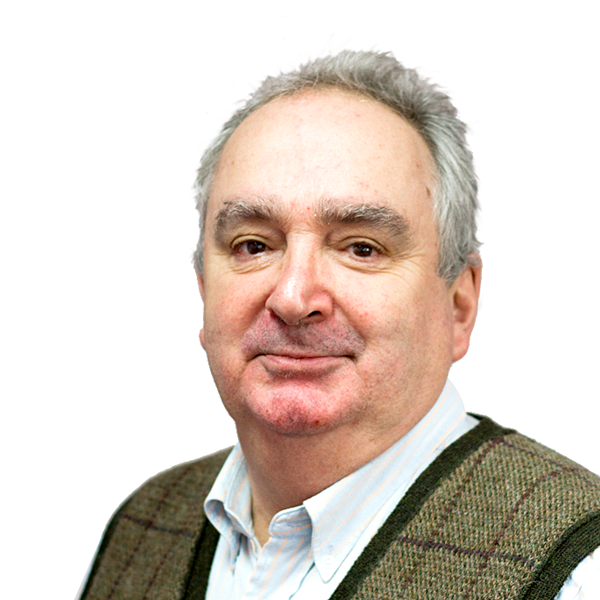

The economic effects of COVID-19 could knock Australia for six. Photo: TND
Tuesday morning’s headlines were frightening for people who follow the sharemarkets, with US stocks losing 1000 points on the Dow Jones Industrial Average.
That sounds like a big number, but at a loss of 3.56 per cent, it’s not Armageddon.
It’s about the same amount Australia’s All Ordinaries Index has lost since last week when coronavirus panic set in (4.2 per cent).
But that figure has the potential to hit 20 per cent.
“China has taken extreme measures to control the virus, but they will hit the economy harder and have a deeper effect on Australia,” said Shane Oliver, chief economist with AMP Capital.
If worst comes to worst that could really clobber shares.
“The increasing global spread of the coronavirus has increased the risk of greater economic disruption for longer, resulting in say a 20 per cent fall in share markets,” Dr Oliver said.
The amazing shrinking surplus
The virus has already thrown into doubt the Prime Minister Scott Morrison’s commitment to a budget surplus.
“We’re not going to speculate on these matters,” Mr Morrison told a media conference in Canberra.
“We’ve got a process that we’re working through to consider the economic impacts.
“The challenge is the interconnectedness of the Australia economy. We always look economically beyond our shores.” That interconnectedness has already had an impact.
To date the biggest losers have been firms relying on tourism, especially from China.
That’s because China has become isolated from the rest of the world, with significant centres in lockdown and Australia shutting its borders to foreign nationals traveling from the mainland (with a few exceptions).
What’s the outlook?
The optimists initially thought the worst might be over in three months.
Back in 2003, that’s how long it took the SARS crisis to blow over, according to David Bassanese, economist with BetaShares.
“But no one has the confidence that coronavirus can be contained in three months,” Mr Bassanese said.
There are some indications that the virus is being contained in China.
“Chinese official figures show that new cases have dropped to between 400 and 600 per day when earlier in the month it was more like 3500,” said Dr Oliver.
But that decline has been offset by a worrying international trend.
“Now Italy, Japan, Israel and South Korea are affected, which leaves open the possibility it will become a pandemic,” Dr Oliver said.
Travel plans scrapped
Fears are filtering though the community and concerns are stretching well into mid-year.
“I’ve cancelled a trip to Singapore in July and my son and a group of friends have planned a five-month trip to Europe but they are considering not going now,” said Roger Montgomery, principal of investment house Montgomery Investment Management.
“At first people were concerned about the effect on the economy and now that’s changing to fears about their health,” Mr Montgomery said.
“Whereas there was concerns over stocks exposed to tourism. everything is being looked at now, including retailers with high turnovers because they can’t get stock in from China.”

Source: ASX Gold Index
Investors are rushing for safe options, with the gold price climbing in response to fear buying.
There are pointers that the economic shock of the coronavirus will be longer and deeper that many first hoped.
Not least because there is a fragility in sharemarkets due to the large run up over the past year.
“There is no risk priced into equity markets, so it’s hard to know how long it [price falls] will go,” Mr Bassanese said.
The bond markets have taken a negative view with the US 10-year Treasury bond yield “falling 10 basis points to 1.36 per cent overnight,” Dr Oliver said.
That is very close to the all-time low of 1.32 per cent reached during the UK Brexit vote, and it shows that investors are prepared to take very low returns for what they view as a safe place to put their money while the coronavirus panic lasts.
Despite that slump in long-term bonds, Mr Bassanese said the US Federal Reserve was unlikely to cut short-term interest rates.
“I don’t think the Fed will act yet – the RBA [Reserve Bank of Australia] might cut first,” he said, adding that any models of economic recovery based on the 2003 SARS outbreak ignored the more important role played by China in today’s global economy.
“Back in SARS times, China made up 3 per cent of the global economy, but it now makes up 12 to 15 per cent and it’s more serious.”
Raising the rate of JobSeeker would save lives
Pain for borrowers as RBA lifts rates again