 Subscribe

ATO launches surprise raids on businesses
The tax office has conducted surprise raids on 30 businesses accused of underpaying staff or avoiding paying superannuation.

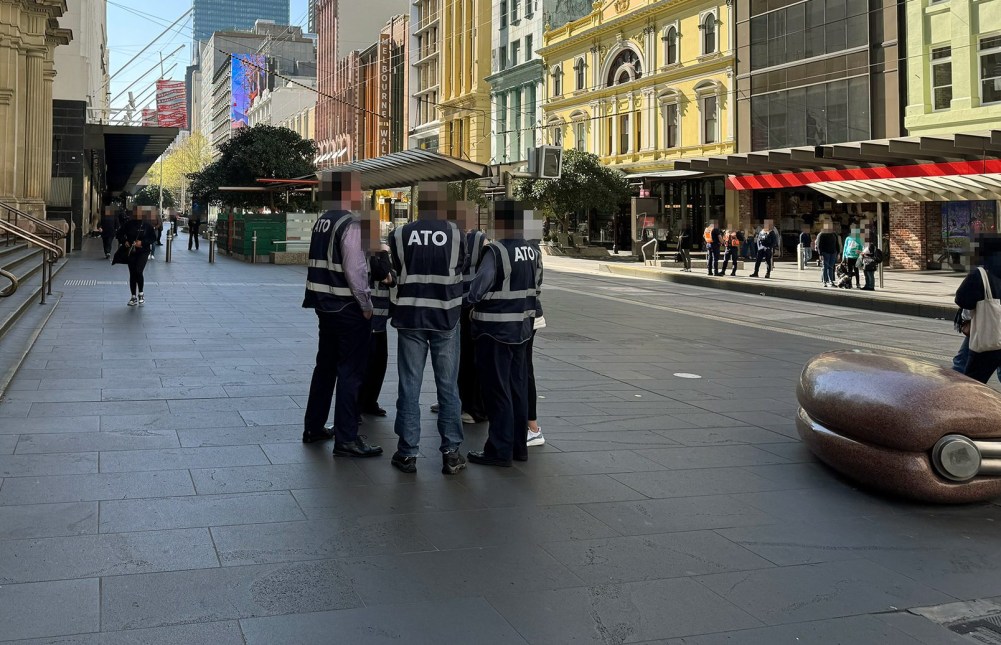
- The tax office has conducted surprise raids on 30 businesses accused of underpaying staff or avoiding paying superannuation.
- The raids focused on the food sector, where many workers are international students or visa holders who may not know their rights.
- Australia’s “shadow economy” is estimated to be worth as much as $80 billion.
The Australian Tax Office (ATO) has conducted surprise raids across Melbourne on more than 30 businesses suspected of not paying their employees correctly.
The three-day operation, assisted by the Fair Work Ombudsman (FWO), targeted hospitality businesses where the tax office had received public tip-offs or found errors in its data-matching activities.
Many were accused of “operating outside the tax and super system” by paying workers cash in hand or omitting super payments.
The raids followed earlier operations of more than 60 Perth businesses earlier this month, when owners were surprised to see ATO agents walk in and ask to see the books.
ATO Assistant Commissioner Julia Webb said most small businesses were doing the right thing.
“Most café, restaurant and takeaway operators work hard, compete fairly and meet their obligations,” she said.
“But there are still some businesses that think they can stay under the radar by hiding income, paying workers cash-in-hand or failing to meet their super obligations.”
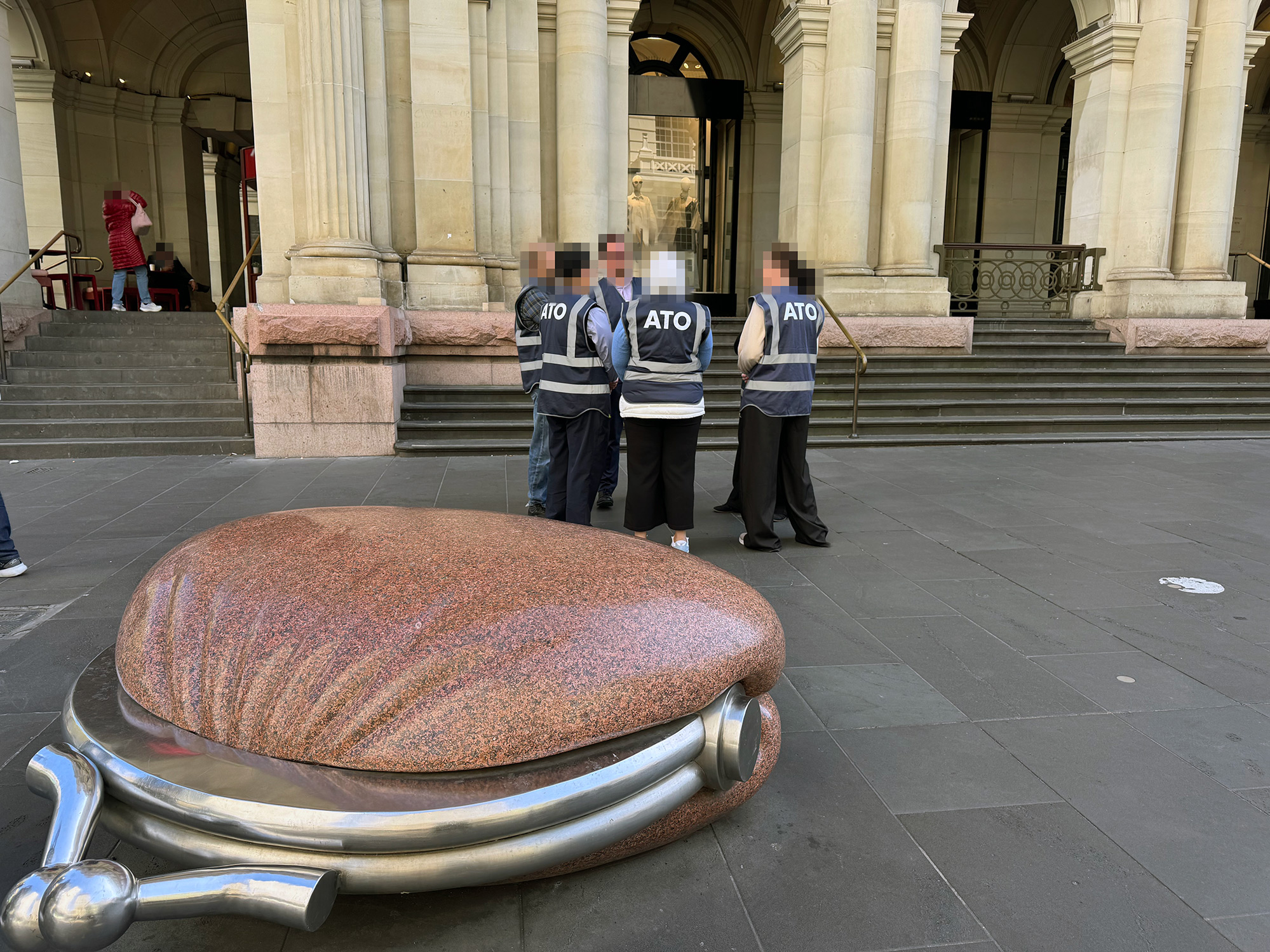
Fair Work Ombudsman Anna Booth said the focus on hospitality and food businesses was because they held a large number of vulnerable workers who may not know their entitlements.
“Fair Work Inspectors have been on the ground in Melbourne this week checking compliance, ready to enforce the law,” Booth said.
“We have consistently found fast food, restaurant and café employers across the nation to be at high risk of non-compliance.”
Booth urged all workers, particularly those on visas, to check they are being paid properly.
“Stamping out underpayments in this sector remains a priority for the Fair Work Ombudsman. We know the sector engages a large number of vulnerable workers such as visa holders and young workers,” she said.
“To visa holder workers, including international students, we say directly: you have the same workplace rights as all other employees in Australia, and protections exist for your visa if you call out for help.”
What is the shadow economy?
The raids were the latest initiative of the Shadow Economy Taskforce, a multi-agency initiative led by the tax office to crack down on payments and undeclared income.
The shadow economy is the term used to describe the business and wages operating outside the tax system, primarily through cash.

Because cash cannot be traced unless it is put into a digital system or used to purchase something with a digital record, it is considered to be a primary driver of the shadow economy.
In Australia, the shadow economy is estimated to be worth as much as $80 billion.
The ATO receives approximately 1,000 tip-offs per week from the public regarding suspected shadow economy practices.
Topics: Australian Tax Office, Work