 Subscribe

Luxury brands pull stock from David Jones
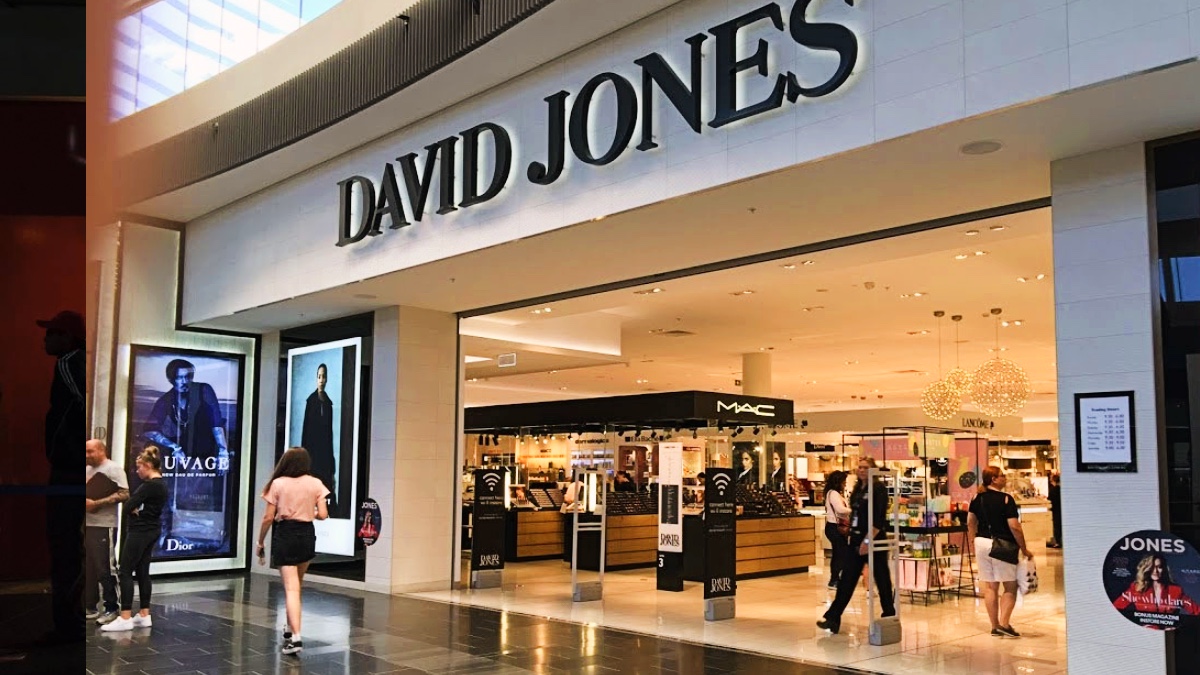
Luxury brands have been spied removing stock from David Jones outlets as the future of the 188-year-old retailer looks increasingly uncertain.

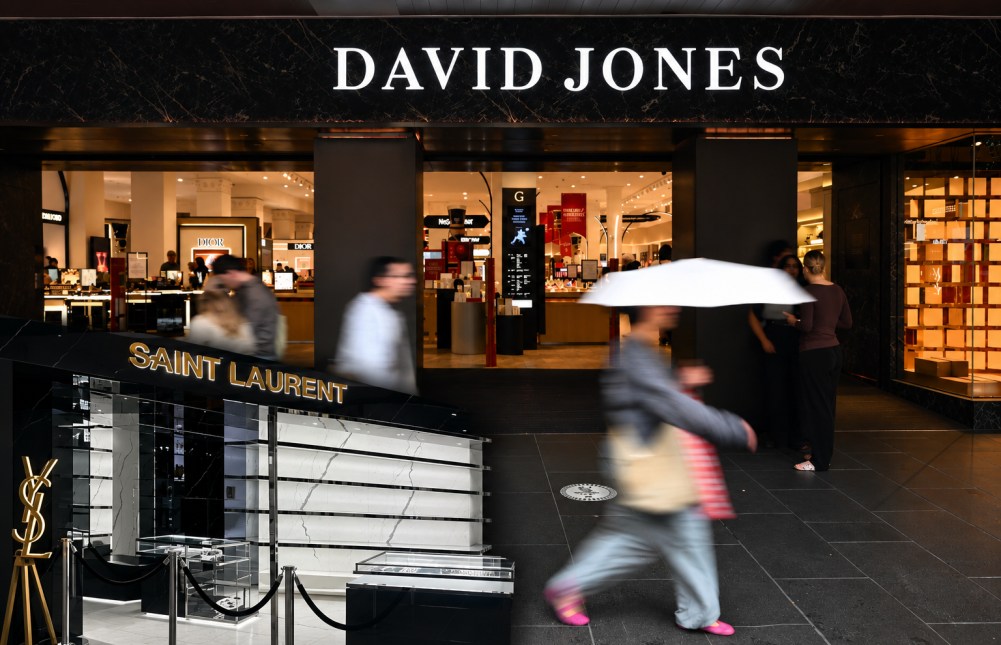
- Luxury concession brands working inside David Jones have been seen pulling stock after the retailer fell into administration.
- The stock, which is owed by the brands and not by David Jones, could be worth hundreds of thousands of dollars.
- The future of 38 David Jones stores and more than 6000 staff remains uncertain as administrators assess the business.
Luxury brands have been spied removing stock from David Jones outlets as the future of the 188-year-old retailer looks increasingly uncertain.
David Jones was officially placed into receivership on Thursday morning, with all-staff meetings held to inform employees and suppliers.
Soon after, keen-eyed shoppers took to social media to report that staff at some of the in-house luxury brands were seen boxing up stock and removing it from the premises.
Images show empty stands at Gucci, Saint Laurent and Bottega Veneta at David Jones’ flagship Bourke St store in Melbourne.
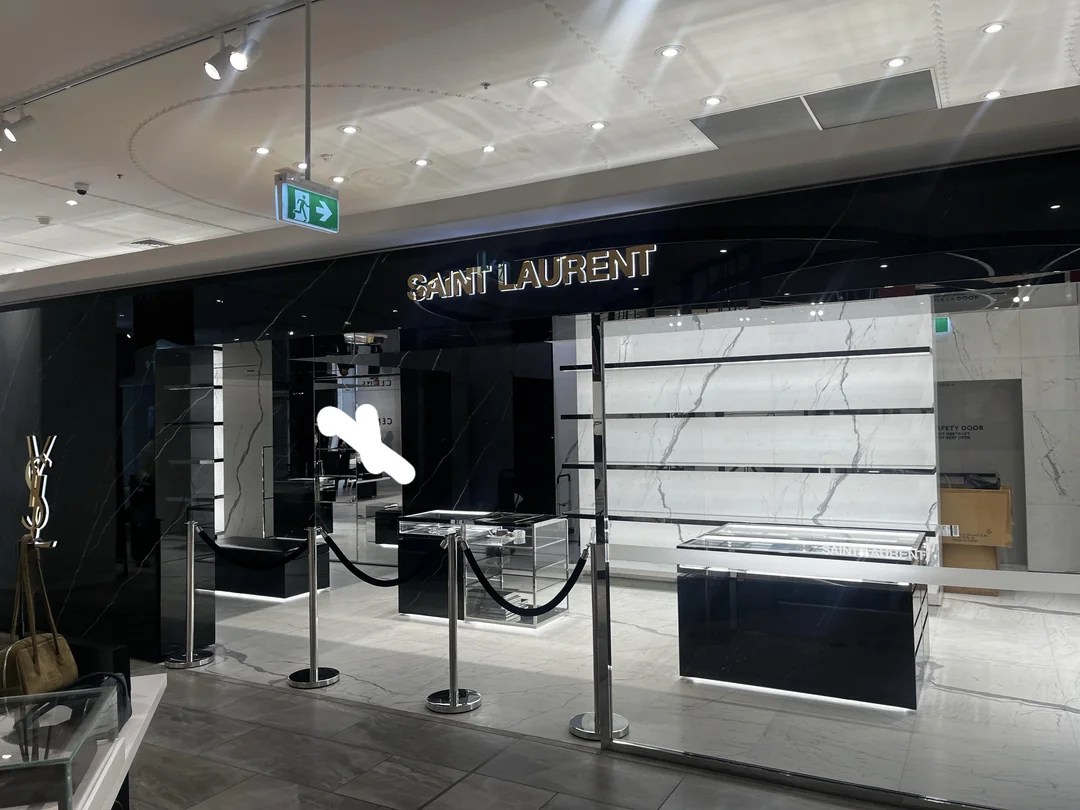
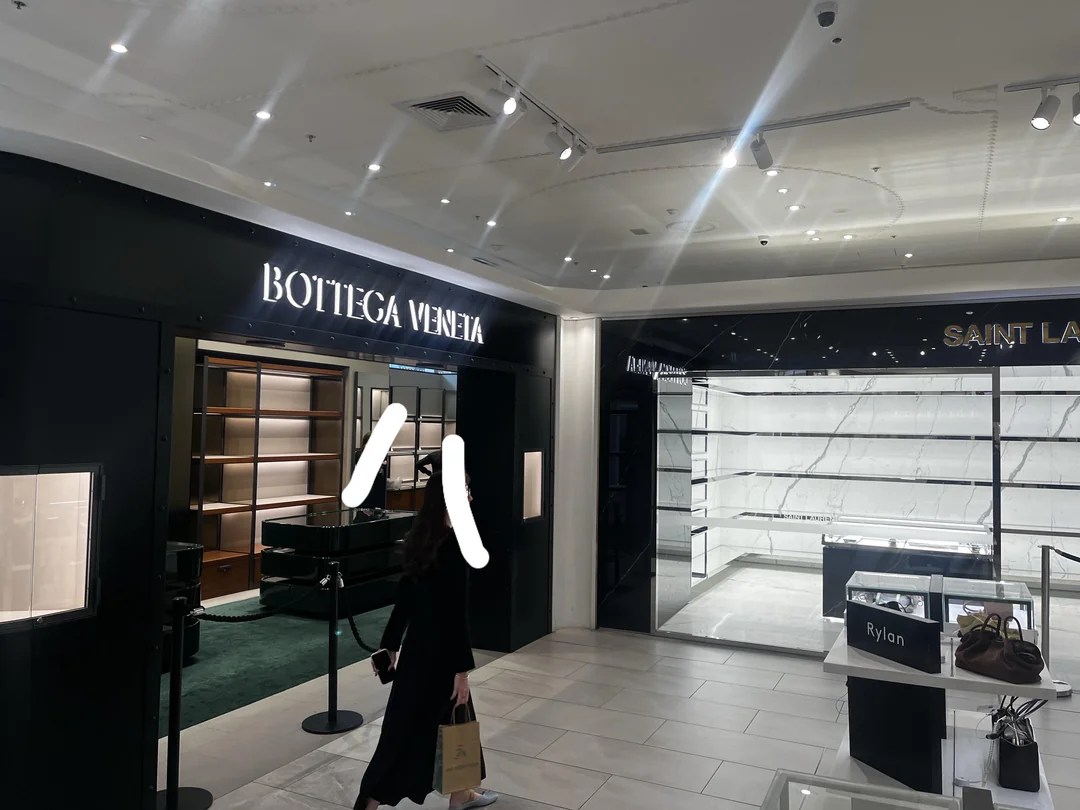
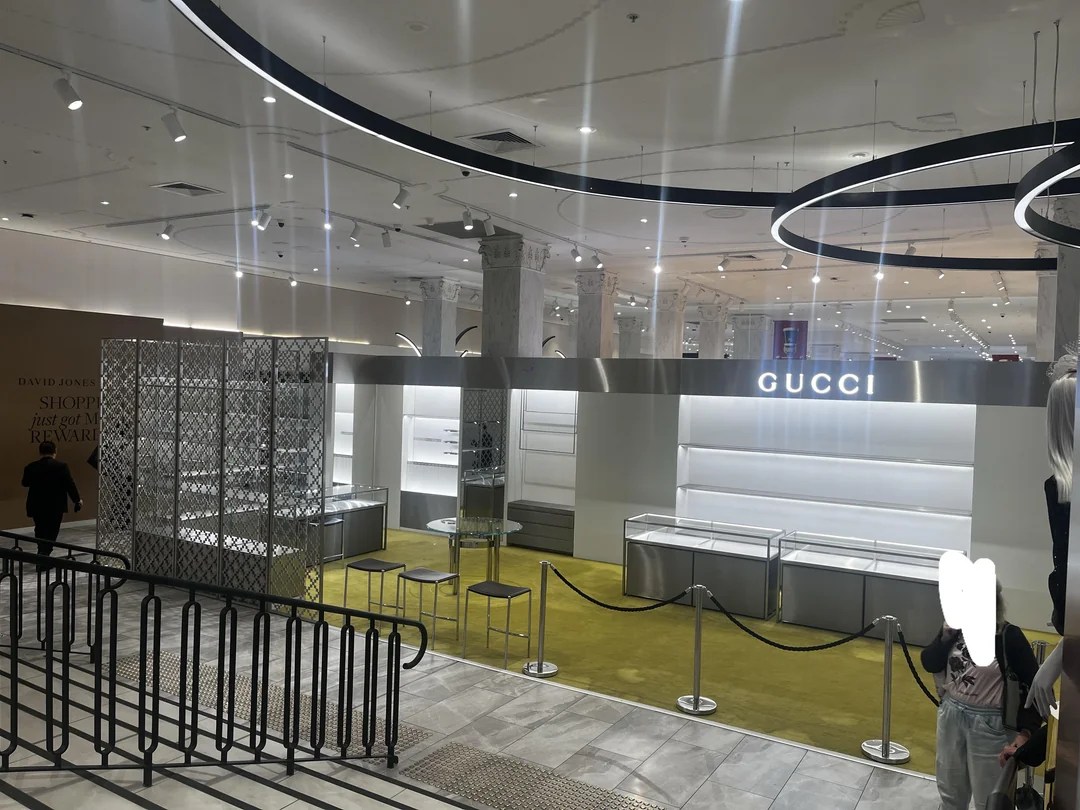
Typically, these luxury brands operate within a department store under a “concession pad” agreement.
The brand rents the floor space from David Jones, but owns 100 per cent of the stock and is responsible for paying and training the staff who work on the “pad”.
Under most agreements, the brand pays David Jones a percentage-based commission on every sale made within their pad.
The Money Edition has contacted Gucci, Saint Laurent and Bottega Veneta for comment.
David Jones currently operates 38 stores across Australia and New Zealand and employs around 6000 staff.
While the future of the stores, and the employees, is uncertain, receivers FTI Consulting said in an update on Thursday that physical retail outlets and the David Jones online store would continue to operate as normal.
“We understand the current retail trading environment, rising costs, a significant and outdated retail footprint, and supply chain challenges have led to this point,” said Christopher Hill of FTI Consulting.
“Voluntary Administration and Receivership provides breathing space and an opportunity to restructure the business.
“We will manage this process carefully, mindful of the impact on some stakeholders but also recognising the need for difficult decisions.”

Shoppers urged: Use your gift cards now
Consumer who hold an unused David Jones gift card are being urged to use them as soon as possible, as a business in administration cannot guarantee that they can be fulfilled.
“The entry of David Jones into administration, and appointment of a receiver by the secured creditor, raises questions about how and when David Jones’ employees might be paid wages, superannuation and outstanding leave entitlements,” said Dr Tamara Wilkinson from the Faculty of Law at Monash University.
“Customers holding gift cards are also likely wondering whether these will be honoured.
“Australian insolvency law protects employees, suppliers and other creditors of a company, including customers with gift cards, but cannot guarantee there will always be enough money to pay them.”
Angus Kidman, shopping expert at comparison site Finder, was even more direct.
“If you’ve got a David Jones gift card, use it as soon as you can. If the business doesn’t find a buyer, that gift card will almost certainly be worthless,” he said.
“Stores appear to be accepting gift cards for now, so don’t delay. That also applies to any discounts you’ve earned through David Jones Rewards.”
Dr Wilkinson said the administration of David Jones also meant that wages owed to employees may also be at stake.
“Because a receiver has been appointed over David Jones’ holding company by the corporate group’s secured creditor, it is likely that secured creditor will receive some payment before employees or other creditors,” she said.
“Whether employees get paid, and how much they receive, depends in part on which company assets are available and whether those assets are covered by the lender’s security.”
Topics: Business, David Jones, Retail