 Subscribe

What Trump’s election setback means for Aus petrol prices
Global oil prices have tumbled following a Democratic sweep of the US midterm elections, raising hopes of an end to the Iran conflict and potential relief to households.

- Global oil prices have fallen more than 18 per cent since late October as investors bet the US could move towards peace with Iran.
- NAB and Westpac say the sharp decline in crude oil has eased inflation fears and helped lift global share markets.
- Cheaper oil could eventually bring relief at Australian petrol stations, although economists say interest-rate expectations remain little changed.
Aussie motorists could soon see some relief at the bowser after global oil prices plunged following a sweeping Democratic victory in the US midterm elections on Wednesday, raising hopes that the war with Iran could be nearing an end.
Brent crude, the international oil benchmark, fell about 8 per cent last night to below US$95 a barrel, its lowest level in roughly two months.
The sell-off has taken oil prices more than 18 per cent below their levels at the end of October, as investors reconsider the likelihood of further military escalation in the Middle East.
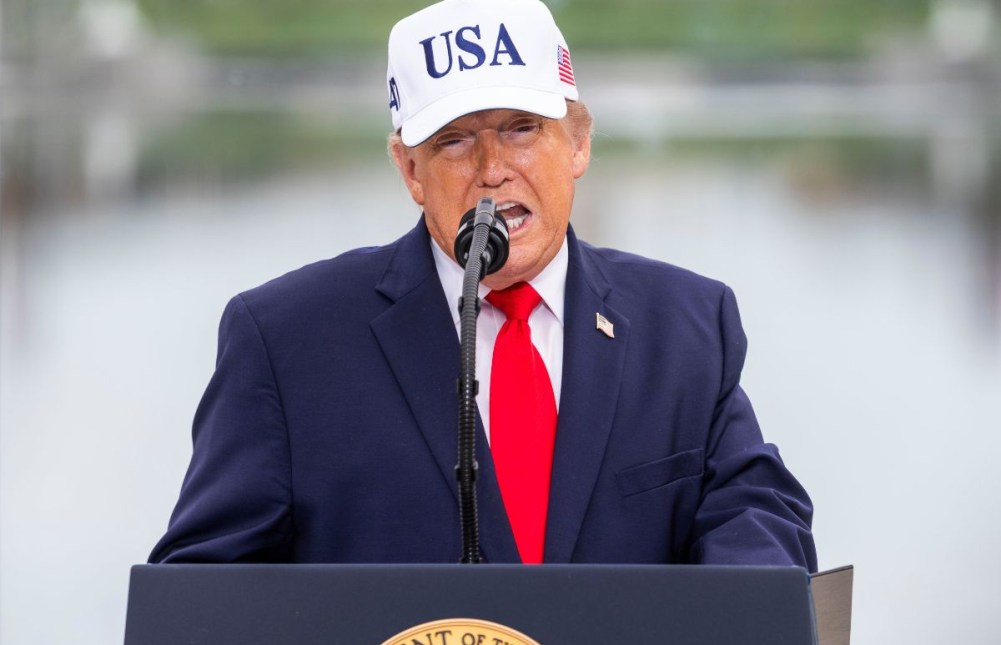
The shift follows the Democrats winning control of both houses of the US Congress, with President Donald Trump accepting the election results and signalling a willingness to work with his political opponents.
Trump has also indicated he has no immediate plans for further strikes against Iran, while Vice President JD Vance has blamed the conflict for the Republicans’ electoral defeat.
For Australians already grappling with higher mortgage repayments and stubborn inflation, cheaper oil could provide some welcome relief.

Why oil prices are falling
NAB head of FX strategy Ray Attrill said the oil price collapse had become the main driver of global financial markets following the election.
“If Iran cost the Republicans the midterms, is Trump going to now scale up his military actions, or be more inclined to sue for peace? Markets think the latter,” Attrill said in the bank’s Thursday morning markets report.
However, Attrill cautioned that the Democrats’ control of Congress would not necessarily constrain Trump’s foreign policy decisions, which largely remain in the hands of the White House.
Westpac economist Ryan Wells also attributed the oil price plunge to hopes of a quicker resolution to the conflict.
In its Thursday morning report, Westpac said Brent had fallen 7.9 per cent to US$95.40 a barrel, as markets removed some of the additional cost built into oil prices to account for geopolitical uncertainty.
That uncertainty had pushed energy prices higher in recent months amid fears of further disruption to global supplies, which filter through to all sorts of businesses.
What it means for Aussie petrol prices
The sharp fall in international oil prices could eventually translate into cheaper petrol and diesel for Aussie motorists.
Australia relies heavily on imported refined fuels, leaving local petrol prices exposed to movements in international energy markets and our dollar.
While global oil prices do not translate directly into bowser prices, sustained declines typically feed through to wholesale fuel costs before reaching service stations.
The Aussie dollar has also strengthened following the US election, climbing 0.6 per cent to above US70 cents.
Because oil is traded internationally in US dollars, a stronger Australian currency can reduce the cost of buying fuel from overseas.
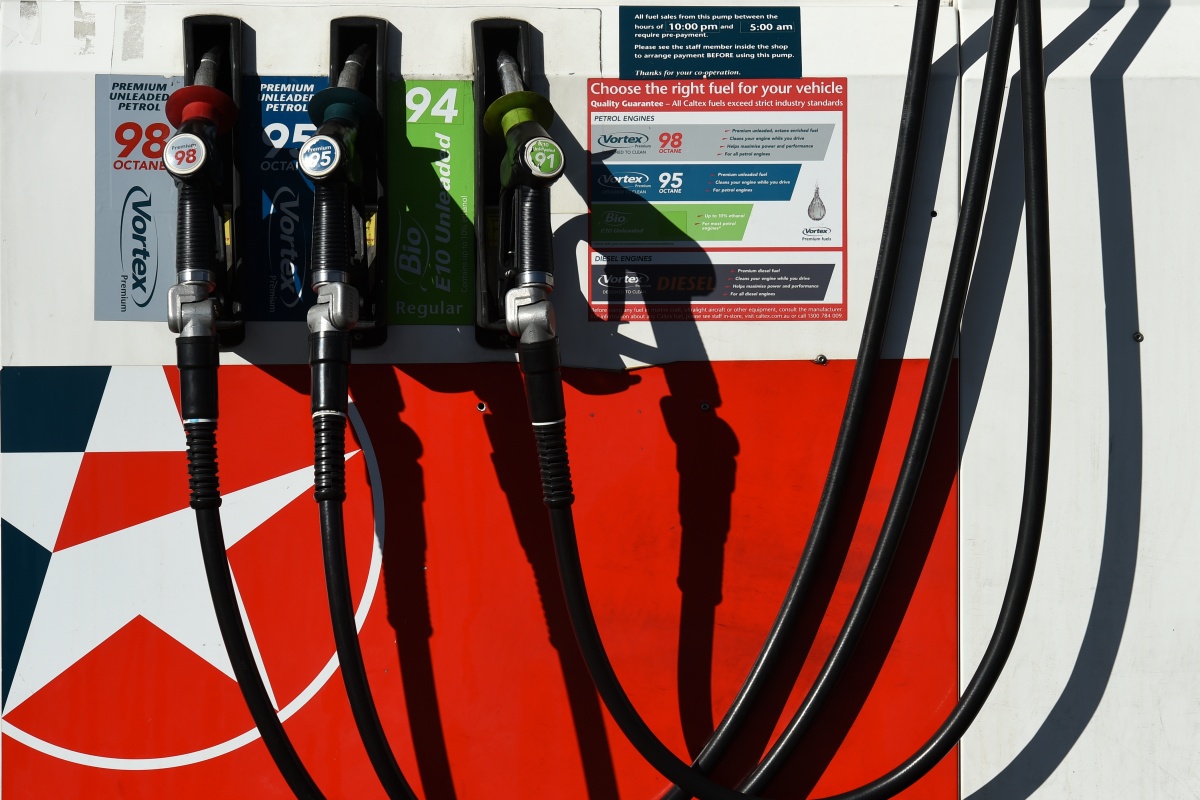
Together, lower crude prices and a stronger dollar could improve the outlook for household transport costs, although the eventual savings will depend on international refined fuel prices, currency movements and retailer pricing.
For example, a 20-cent reduction in petrol prices would save $12 on a 60-litre tank, or $624 annually for someone filling up once a week.
However, relief is far from guaranteed, with uncertainty over the Strait of Hormuz, which previously carried about a fifth of the world’s oil supply, continuing to hang over the Trump administration like the Sword of Damocles.
Could cheaper oil help bring down inflation?
The oil price drop has also raised hopes that global inflationary pressures could ease alongside a rebuke to the White House’s tariff policy, potentially reducing pressure on central banks to keep raising interest rates.
Westpac said falling energy prices had helped drive a rebound in global share markets, with the US S&P 500 rising 1.7 per cent and the Dow Jones climbing 3.2 per cent overnight.
US government bond yields, which reflect the returns investors demand for lending money to the government, also fell as lower oil prices eased inflation concerns.
Yields on two-year US bonds fell slightly, while those on 10-year bonds also declined, suggesting investors see less risk of inflation remaining elevated.
However, Westpac cautioned that falling bond yields did not necessarily mean central banks would stop raising interest rates, but rather that investors were becoming less concerned about future inflation.
Instead, the bank said the movements appeared to reflect a smaller additional return investors demand to compensate for uncertainty about future inflation.
For Australia, that distinction is important.
The Reserve Bank lifted its cash rate to 4.85 per cent on Tuesday, marking the fifth time it has done so this year, as it continues efforts to contain inflation, which has now climbed to 4.3 per cent.
While cheaper fuel could help ease inflation in the coming months, other pressures on household budgets, including housing, services and government spending, remain.
The Grattan Institute warned in its October Budget Reboot report that government spending has outpaced revenue over the past decade, contributing to rising public debt and leaving Australia increasingly exposed to higher borrowing costs.
It estimated that every $1 billion in state government deficits now costs about $760 million in interest over a decade, compared with just $180 million in 2019.
The concern is that sustained government deficits could continue adding to demand across the economy, making it harder for the RBA to bring inflation under control even as global energy prices fall.
In other words, cheaper petrol may provide some welcome relief for Aussie households, but it won’t necessarily end our inflation woes.
Topics: Donald Trump, Elections, Inflation, Oil, Petrol Prices