 Subscribe

Supermarket products inspected over price gouging revealed
Australia's consumer watchdog has outlined the eight grocery essentials it is keeping a close eye on to combat allegations of supermarket price gouging.

- The ACCC has named eight grocery product groups, covering more than 1000 items, for closer margin checks at Coles and Woolworths.
- The regulator will keep tracking margins on every grocery product at both chains, and will name more focus items next year.
- The ACCC’s first monitoring report under the excessive pricing ban will be published in early 2027.
Australia’s consumer watchdog will scrutinise supermarket margins on eight grocery staples, including milk, bread rolls and chocolate, with its deputy chair saying their pricing “warrants closer examination.”
The Australian Competition and Consumer Commission (ACCC) announced on Friday it will dig into how much Coles and Woolworths make on the products under new excessive pricing laws that took effect on 1 July 2026.
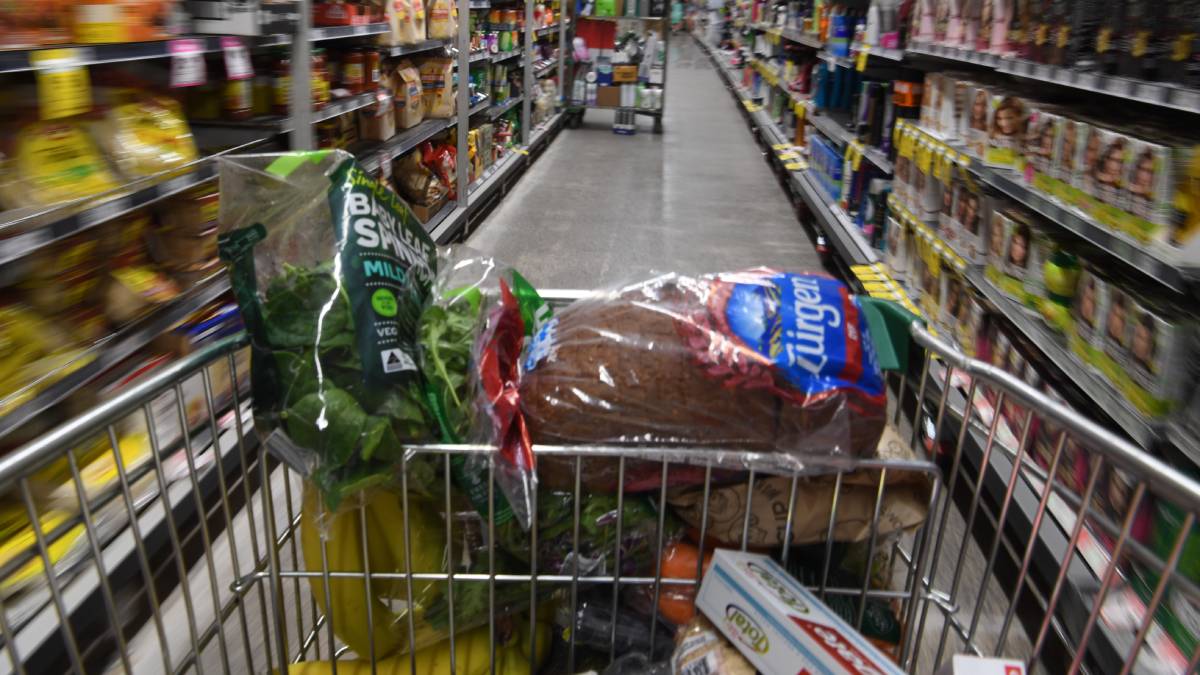
The list covers potatoes, limes, bone-in chicken, unflavoured fresh milk, bread rolls, chocolate blocks and snack bars, coffee, and kitchen sponges and scourers, spanning more than 1000 products sold by the two chains.
“It’s important to note that just because a product is on our focus list, it doesn’t mean that we currently consider supermarkets are obtaining unreasonable margins on these products,” ACCC Deputy Chair Mick Keogh said in the statement.
How the list was chosen
The regulator drew on feedback from shoppers and suppliers, how essential each product is, and price data from the 2024-25 and 2025-26 financial years, plus margins and sales revenue, among other factors.
Keogh said the watchdog would keep analysing margins and prices on all grocery products at Coles and Woolworths, adding that the work was important to Australian consumers who are “acutely aware of price increases in their supermarket shop.”
The watchdog will name more products for scrutiny next year and, although it can pursue enforcement, plans to concentrate on monitoring first.
What counts as excessive
The Australian Government announced the excessive pricing ban on 14 December 2025, writing it into the Food and Grocery Code of Conduct.
The rules cover supermarkets with revenue of more than $30 billion in the 2025-26 financial year, a threshold only Coles and Woolworths currently meet.
The ban aims to keep grocery markets competitive and protect shoppers from excessive pricing by the largest chains.
A supermarket only breaches the rules if a product’s price is “significantly excessive” against its cost to supply plus a reasonable margin, and there is no set threshold for what crosses that line.
Supermarket prices that seem high may not be excessive once all costs and circumstances are considered, according to ACCC guidance.
Those costs can include buying the product, transport, storage, staff wages and store rent, and whatever is left of the shelf price after them is the supermarket’s margin.
Shrinking a pack or switching to cheaper ingredients is not unlawful by itself, but the guidance says such a change may be relevant to whether a supermarket has priced excessively if it cuts costs and lifts profit.
The watchdog published compliance and enforcement guidelines for the ban in June 2026.
A court can impose penalties on a corporation of up to $10 million per breach, three times the benefit gained, or 10 per cent of annual turnover in the preceding 12 months where that benefit can’t be determined, whichever is greater.
The ACCC can also issue corporations with infringement notices of $218,400 if it suspects on reasonable grounds that they have breached the code.
The early 2027 report will use figures from before the ban began to set a benchmark for measuring future compliance.
Topics: Supermarkets