 Subscribe
‘Landlords will be forced to sell’: How renters on the brink could hit mum-and-dad investors
Renters have hit an “affordability limit” as asking rents flatline across Australia, but that doesn’t bode well for investors looking to recoup interest rate costs.

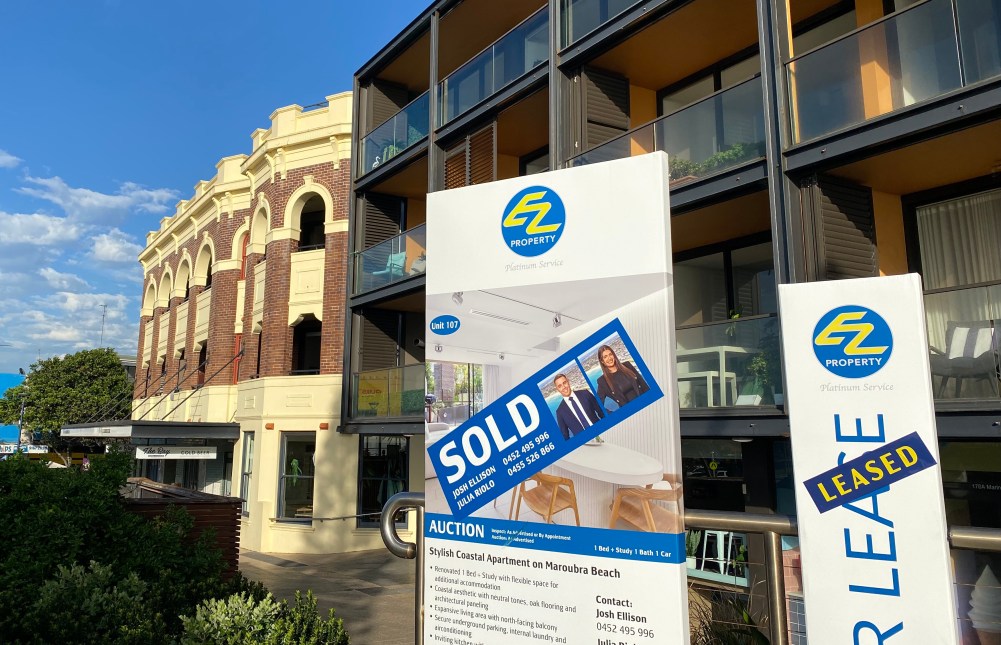
- Capital city rent growth has stalled across most Australian capital cities, a Domain report has found, despite a severe rental shortage.
- The report speculates tenants have hit an affordability ceiling, and can no longer absorb further increases without moving or downsizing their rental property.
- If landlords aren’t able to increase rents, some may be forced to sell in light of rising interest rates and other cost-of-living pressures.
Some mum-and-dad investors may be forced to sell investment properties, with data revealing Australia’s tenants have hit a breaking point with record-high asking rental prices.
Domain’s latest September Quarter 2026 Rent Report reveals that rents have stalled across most capital cities, with most house rents remaining unchanged at $700 a week.
Combined capital city unit rents rose modestly by 1.5 per cent to $690 a week, although much of the growth across units and free-standing homes came in the first half of 2026.
Domain’s chief residential economist, Dr Nicola Powell, told The Money Edition renters were hitting their limits – and that came with a flipside for investors.
“If you’ve got the dynamic where higher rents are hard to transfer and push through, then you’ve got higher costs for a landlord,” Powell said.
“We’ve had the cash rate move higher. We are expecting another one. Most landlords are mum-and-dad investors, which means they’re also price sensitive.
“They’re not immune to the cost-of-living pressures that we’re seeing. And what that might mean is that some landlords are forced to sell because they just can’t make that balance sheet work for them anymore.”
Across the capital cities, rents were flat in Brisbane, Adelaide and Perth despite them having some of the country’s lowest vacancy rates. Melbourne also had stable rents for houses and units.
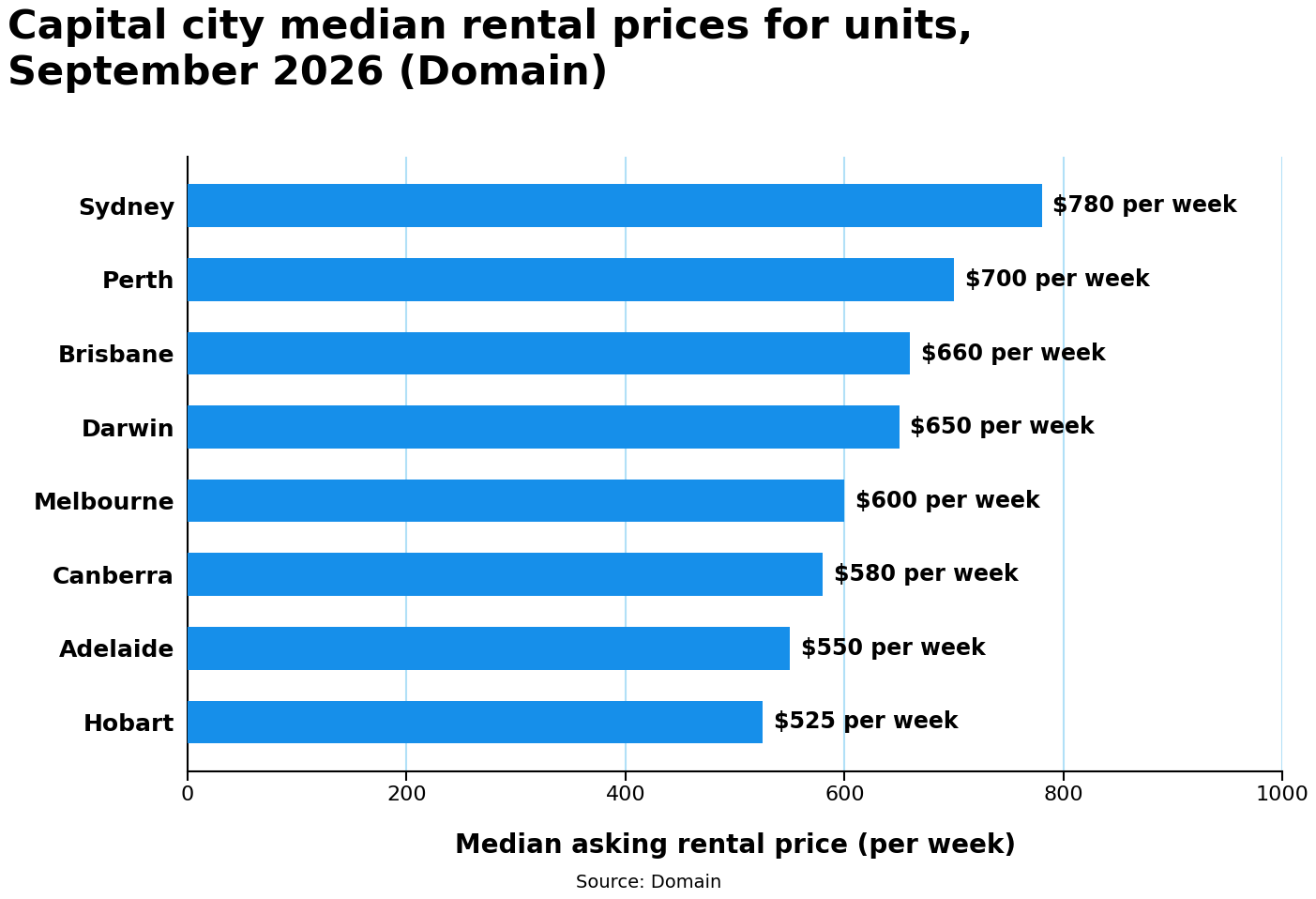
In Sydney, the country’s most expensive rental market, the asking rent for a house dropped $5 to $835 a week. The asking rent for a unit remained flat at a record-high $780.
Powell said the data suggested that many renters had hit a ceiling with what they can afford, despite record-low vacancies.
“When you look at renters, the slower rate of growth will feel like a bit of welcomed relief, but the challenge is that affordability is still a major hurdle in most markets because most of them are still at record highs,” she said.
“For the past few years, low supply has consistently pushed rents higher.
“This quarter suggests affordability is beginning to act as a ceiling on rental growth, even while rental supply remains severely constrained.”
The reality of this affordability ceiling, Powell said, was that many tenants would be forced to downsize to stay at a comfortable rent.
“The concept of an affordability ceiling means that – and this behaviour becomes quite evident in the rental space when there’s an element that the rental market is transient – if you can’t meet the obligation of that rent, you have to shift, and you compromise, and that can be location, property type, inclusions,” she said.
“It might be that the apartment block doesn’t have the gym or the pool, and you’re downgrading facilities or people are bunking up.
“Australians are consolidating households. They are getting a roomie.”
Topics: Investment Property, Property, Renters, Rents