 Subscribe
How Trump’s ‘political sideshow’ could hurt Australian’s hip pockets
The American midterm elections feel half a world away for Australians – but the result could impact the household budgets of millions.

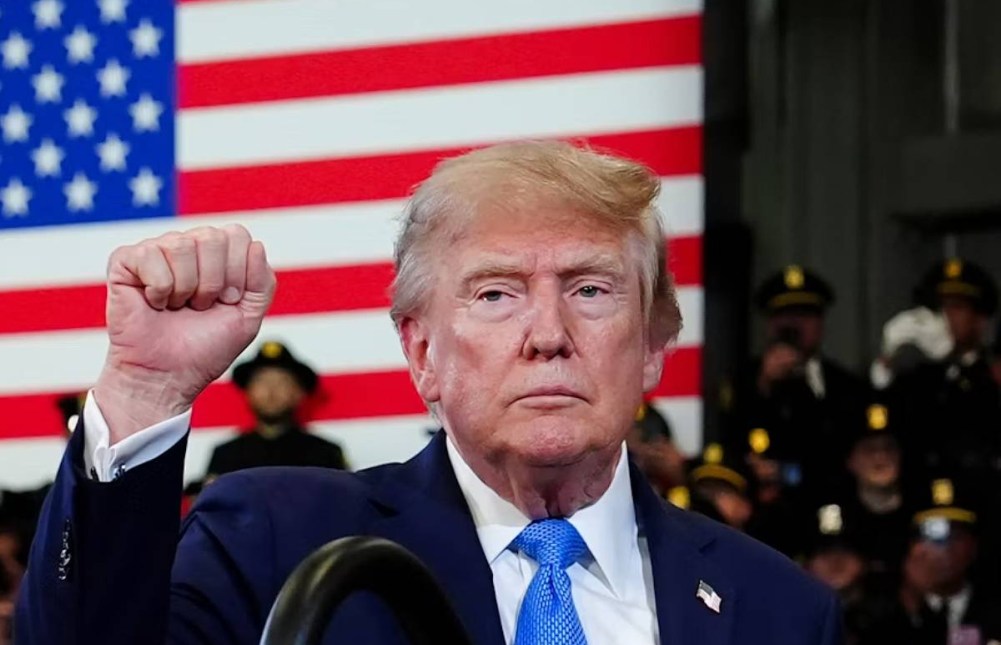
- The American midterm elections feel a world away for Australians, but the result could affect ordinary Aussies’ household budgets.
- If Donald Trump’s Republican Party loses the midterms, which is widely predicted, the US could pull back on engagements with Iran.
- From petrol prices to your super balances, the result of a so-called “political sideshow” could have real monetary consequences.
The looming US midterm elections seem like a quirk of the American political system, but experts warn the results could profoundly affect your finances here in Australia.
Dale Gilham, chief analyst and founder of Wealth Within, said the US midterms would barely register on most Australians’ radars, but that could be a mistake.
“Most Australians probably see America’s midterm elections as a political sideshow, but the November 3rd outcome could affect global oil prices, inflation, interest rates, and even your superannuation,” Gilham said.
“President Donald Trump has repeatedly predicted that oil prices will tumble after the November midterm elections.
“He’s under growing pressure to lower fuel costs, and his administration has already struck a deal to secure Russian diesel supplies to ease the squeeze on American drivers and businesses.
“However, the big question is whether these measures can deliver lasting relief, or whether oil prices will remain hostage to the conflict with Iran.”
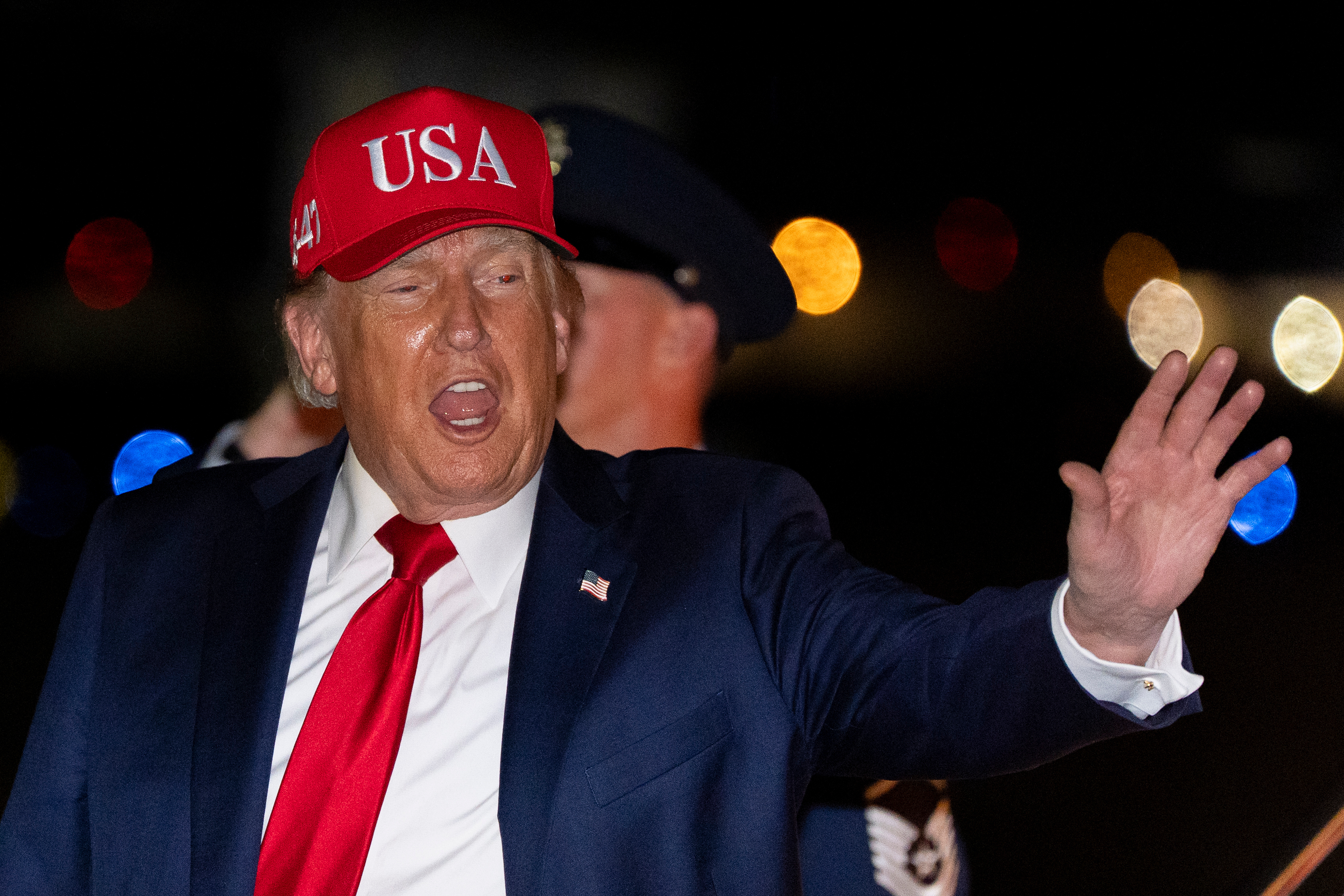
An election to choose the members of US Congress happens every two years. When they occur in the middle of a president’s term, they are dubbed “the midterms”.
Midterms often serve as a barometer of how the American public feels about a president’s performance, and the results are rarely positive.
Since 1934, the sitting president’s party has lost 20 of the last 23 midterm elections.
Gilham says if Trump’s Republican Party loses control of Congress, oil prices could fall, and the long bow between US policy and Australian retirement funds begins to be drawn.
So why should Australians care?
“Start with your super. Australian retirement funds invest heavily overseas, particularly in American shares,” he said.
“In 2025, the US represented more than half of Australia’s overseas portfolio-equity holdings, and super funds were major contributors to those investments.
“If a shift in US policy sends American shares sharply higher or lower, that can flow through to Australian retirement balances.”
What’s more, if energy prices begin to fall, the current cycle of interest rate hikes and cost-of-living pain could begin to ease.
“The RBA has highlighted how higher fuel prices feed directly into inflation and indirectly into the cost of producing and delivering goods,” Gilham said.
“A sustained fall in energy prices could give the RBA more room to ease monetary policy, potentially supporting rate-sensitive shares and consumer spending.
“Of course, cheaper oil isn’t guaranteed, and lower prices caused by a global economic slump would be a very different story.”

But of course, nothing with the Trump administration is guaranteed.
In September, Donald Trump pledged to send every American $US5000 if the Republicans retained control of the House and Senate.
Such a move would add significant pressure to an already stubbornly sticky inflation picture, which came in hotter than expected on Thursday morning.
For Gilham, there’s only one certainty: We’re in for a hell of a ride.
“If Trump is right and the elections mark a turning point in the conflict, the benefits could extend well beyond America,” he says.
“For Australian investors, the question is whether we’re entering another period of global uncertainty or the start of a major relief rally.”
The Money Edition’s National Business Editor, Sebastian Sinclair, contributed to this report
Topics: Donald Trump, Finance