 Subscribe

Australia suffers one of the world’s steepest falls in consumer confidence
Consumer confidence in Australia has recorded one of the steepest declines of any country with a developed economy, new research has found.

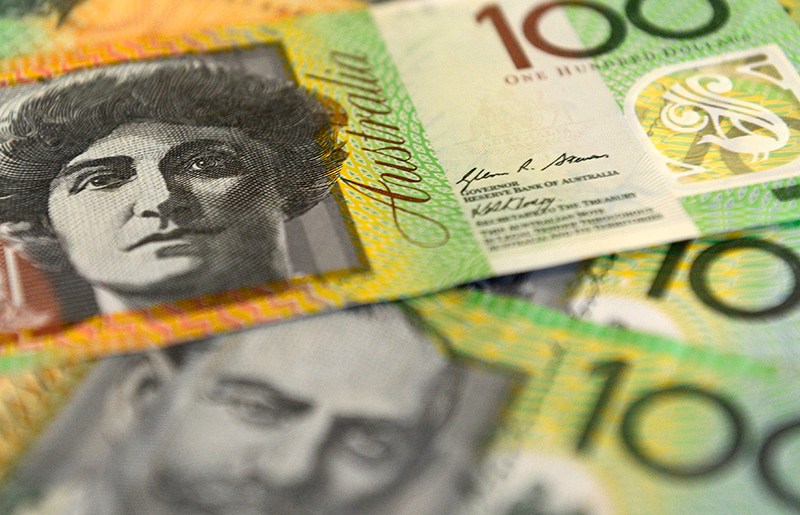
- Consumer confidence, or the general mood about the economy, has plummeted in Australia.
- New OECD data shows consumer confidence in Australia fell 1.1 per cent, with only households in Chile and Belgium recording steeper falls.
- Rising inflation, fuel and grocery costs, and concerns over new tax changes have cratered many Aussies’ economic expectations.
New research has found that consumer confidence in Australia has recorded one of the steepest declines of any developed economy.
Data from the Organisation for Economic Co-operation and Development (OECD) showed that consumer confidence in Australia fell 1.1 per cent in the last 12 months.
The only nations that recorded steeper declines in the data were Belgium, at 1.2 per cent, and Chile at 1.6 per cent.
Weighed down by rising fuel, borrowing and grocery costs, economists’ consensus shows Australian consumers are pessimistic about the economy’s future.
Domestic data is painting a similar picture.
Last week, the Roy Morgan business confidence tracker showed businesses are equally depressed about the economic future, with the index dropping 2.6 points to 76.5, a record sixth straight month below 80 and just above the all-time low of 76 reached in July.
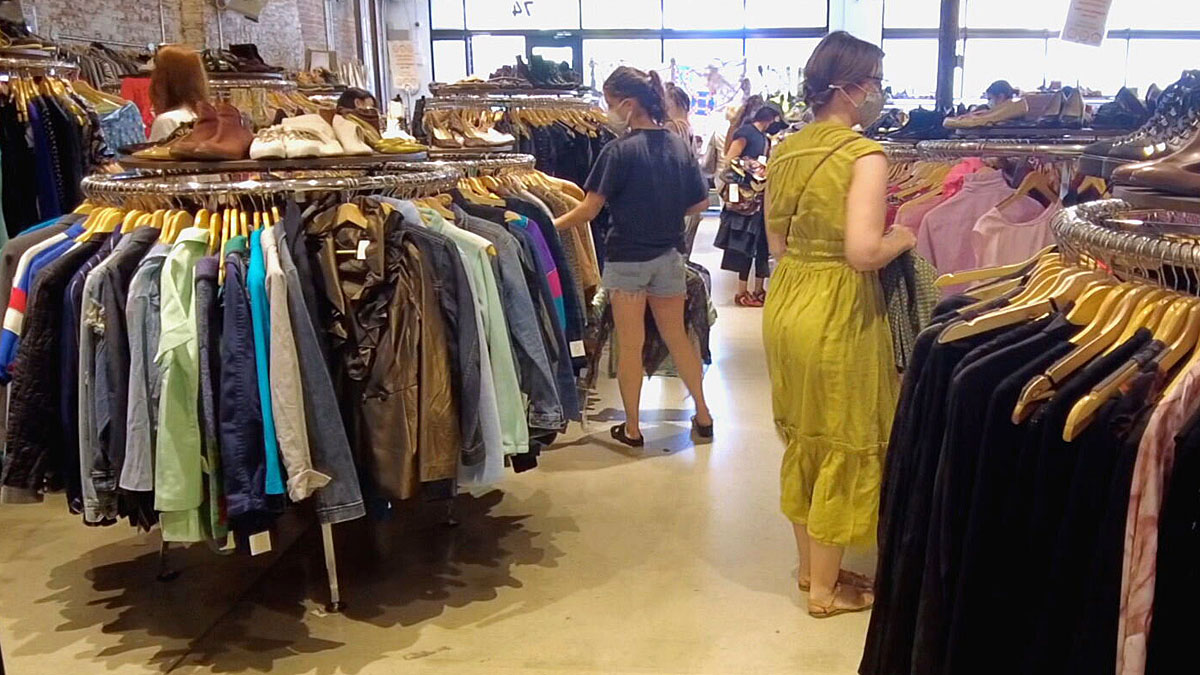
“Driving the monthly fall was less confidence about businesses’ prospects over the next year, and about whether now is a ‘good or bad time to invest’ in growing the business,” said Roy Morgan CEO Michele Levine.
“In addition, a record high 76.3 per cent of businesses expect ‘bad times’ for the economy over the next five years.”
Levine said now more than a third of businesses are predicting a tough financial year ahead.
“Now only 30.3 per cent (down 2.9 percentage points) of businesses say they expect to be ‘better off’ financially this time next year while a rising plurality of 36.1 per cent (up 4.3 percentage points) expect to be ‘worse off.’
“Concerningly, nearly half of businesses, 49 per cent (up 0.8 percentage points), say the next 12 months is a ‘bad time to invest’ in growing the business compared to only 26.9 per cent (down 4.9 percentage points) that say the next 12 months is a ‘good time to invest’ in growing the business.”

What is consumer confidence and how does it affect me?
In layman’s terms, consumer confidence is an economic measure that tracks a population’s general mood through financial ups and downs.
Consumer confidence is traditionally indexed to a baseline score of 100.
Scores under 100 mean the population is pessimistic about the economy, and scores over 100 mean the population feels optimistic.
According to the same OECD data above, Australia’s consumer confidence score is currently sitting at 98.38.
So why does that matter?
Just like with household finances, if you feel pessimistic, you will tend to save money, cut spending, and provide less stimulus to the economy overall.
Nations with low consumer confidence become less attractive places to invest because the populace cuts back on spending.