 Subscribe
Aussie dollar falls to a three-month low. Here’s how it affects you
The Aussie dollar has fallen to a three-month low on the back of hotter-than-expected unemployment data yesterday. Here's why it matters.

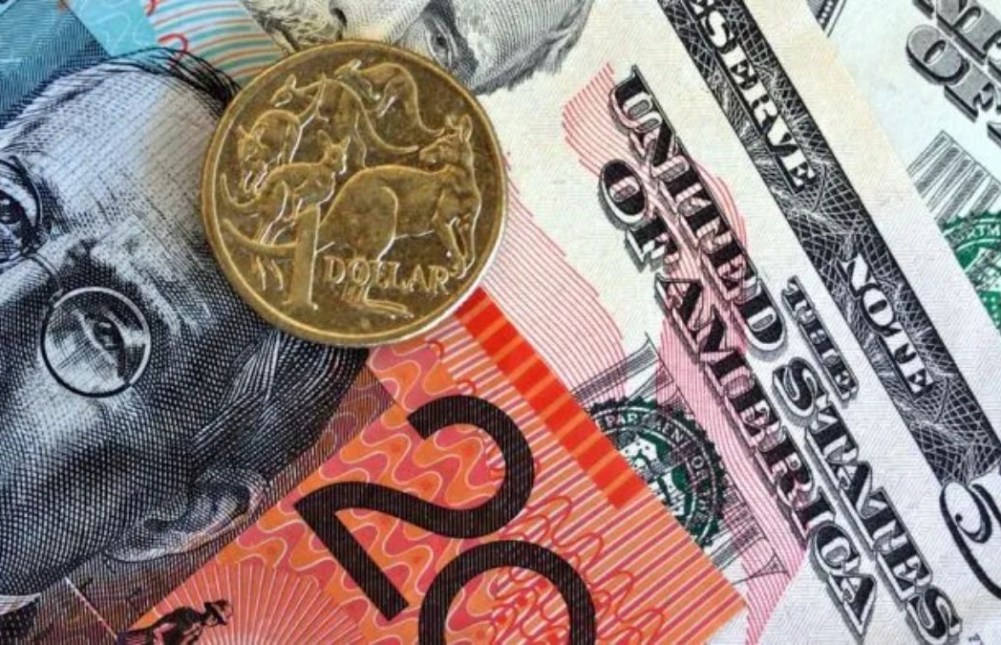
- The Aussie dollar has fallen to a three-month low on the back of hotter-than-expected unemployment data yesterday.
- Overnight, the dollar retreated 1.1 per cent, to levels not seen since July.
- The AUD is currently buying 69 US cents.
The Aussie dollar has retreated to a three-month low as investors pulled back from expectations of another interest rate hike in November.
Overnight the AUD fell 1.1 per cent, sliding back to levels not seen since July.
Ken Crompton, Head of Rates Strategy at NAB, said yesterday’s higher-than-expected unemployment rate cruelled any progress the local dollar had made.
“The AUD, weighed down by the weak employment report, was the only major currency to underperform the weakening USD,” Crompton wrote in a research note.
“Unemployment is now clearly running above the RBA’s August forecast of 4.5 per cent for Q4, with the driver of higher unemployment slowly shifting from expanding participation to slower employment growth (trend employment growth has now slowed to +16k).
“We still see the risk of another rate hike from the RBA, but these data make it clear that the trade-off between prices and employment has become sharper.”
At the time of publishing, the AUD was buying $0.692 US cents.
What does a falling Aussie dollar mean for me?
In real terms, overnight fluctuations and decimal-point changes will do little to impact ordinary Australians who aren’t heavily invested in forex.
But larger changes, or substantial trends, could have a significant impact on your hip pocket.
When the Aussie dollar rises, your buying power in Australia increases against other currencies, such as the Euro or the US greenback.
A strong Aussie dollar means cheaper online shopping, cheaper international travel and possibly even less inflation here in Australia, because importing goods becomes cheaper.
The inverse is also true: If the Aussie dollar tanks, suddenly your money doesn’t go as far overseas.
Online shopping from places like the US or Europe becomes more expensive, and holidays overseas mean you will get a poorer conversion rate.
Currently, the AUD is considered strong, although it has cooled in recent months. In mid 2026, it was buying 71 US cents, which marked its highest level in around three years.