 Subscribe
ATO stands firm on credit card ban for tax bills
The ATO has refused to budge on its decision to ban credit card payments, despite an 11th-hour meeting with business groups.

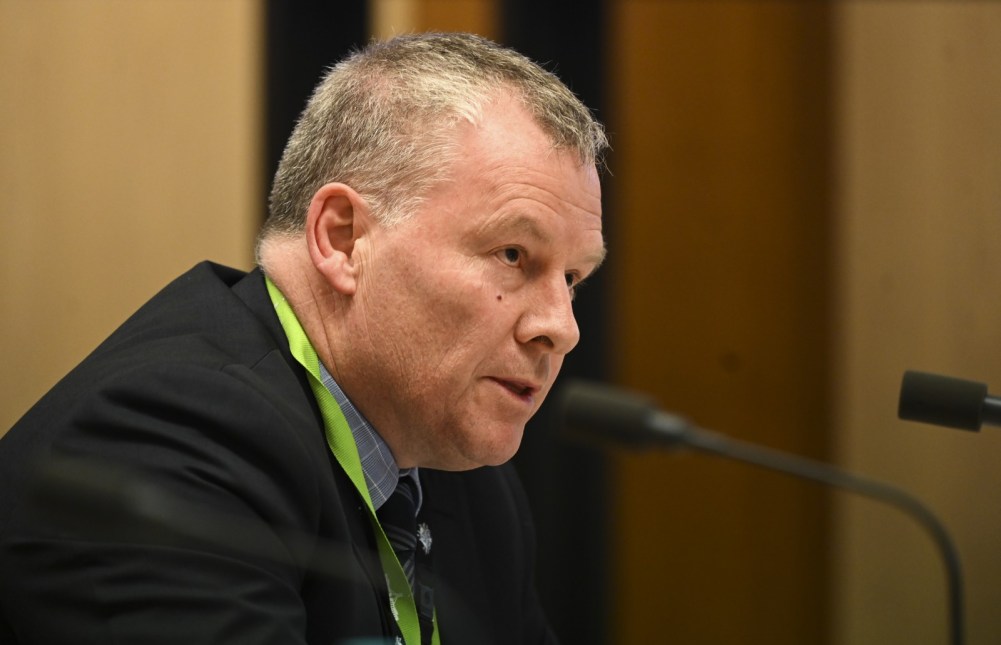
- The ATO remains firm on banning credit card payments for tax bills, despite businesses raising cash-flow concerns.
- Little progress was made yesterday in a snap meeting between the tax office and a consortium of business leaders.
- Digital Economy Assistant Minister Andrew Charlton said the government supports the ban and “inconsistencies” between public and private businesses should not exist.
The Australian Tax Office (ATO) has refused to budge on its decision to ban credit card payments for tax bills, despite a snap meeting with business leaders yesterday.
From December 1, 2026, the ATO will stop accepting credit card payments, following the Reserve Bank’s decision to ban businesses from adding a surcharge for card payments.
The tax office says it would be “untenable” for it to absorb transaction fees on behalf of taxpayers, estimated to cost around $200 million annually.
Yesterday, the Australian Chamber of Commerce and Industry (ACCI) held a snap meeting with the tax office behind closed doors to try to overturn the decision.
Appearing on Nine’s Today program, ACCI chief executive Andrew McKellar said the ATO’s message in the meeting was clear: the ban is staying.
“The ATO is saying they’re not negotiating. From a small business point of view, the message is: like it or lump it, you have to put up with it,” McKellar said.
“Not surprisingly, many of the small businesses that we’re talking to are absolutely furious.”
In a statement late last week, Commissioner of Taxation Rob Heferen said the tax office recognised that some businesses like to pay by credit card, but the costs were simply too high.
“The ATO had to respond to the ban on card surcharging,” Heferen said. “Because tax liabilities are legislated, the ATO cannot build card payment costs into prices.”
“With free and lower-cost payment options already used by the majority of taxpayers, the ATO determined it was appropriate to stop accepting credit cards.
“We recognise that some taxpayers value paying by credit card. We would have preferred to continue accepting credit cards.
“To try and reduce the cost we approached credit card companies, however they declined to offer a sufficiently low rate.”
The Money Edition has approached the ATO for comment.
The government, urged by business to allocate more funding to the tax office to cover credit card costs, said it supports the ban.
“The government supports the ATO’s decision,” Andrew Charlton, Assistant Minister for the Digital Economy, told ABC Radio this morning. “The ATO has made that decision because of the principle of consistency between the private sector and the public sector.”
“And that is that if we’re saying that surcharges can’t exist in the private sector, then surcharges shouldn’t exist in the public sector.”
How does the ATO credit card ban affect you?
Following the RBA’s card surcharge ban, which came into effect on October 1, the ATO will no longer accept credit card payments for tax bills.
The ATO has given taxpayers some grace and will continue to accept credit card payments up until November 30, 2026.
From December 1, taxpayers will have to pay the tax office via other means, including debit card, BPAY and direct deposit.
Payments can also be made through Australia Post and international money remitters.
Many small and medium businesses have publicly said it will hurt their book management, as they will soon need a cash buffer to afford their pay-as-you-go tax bills.
However, the tax office says only a small number of transactions are currently made via credit card.
Approximately 2.3 per cent of tax payments were made with a credit card in FY2024-25, and of those, more than 60 per cent were made by privately owned groups, or public and multinational businesses.
The ATO said it is writing to all taxpayers with a credit card linked to a tax payment plan to explain the next steps.