 Subscribe

Salaries of RBA’s top chiefs revealed
Michele Bullock's seven-figure pay packet has been revealed, but experts say it's necessary to attract the best talent.
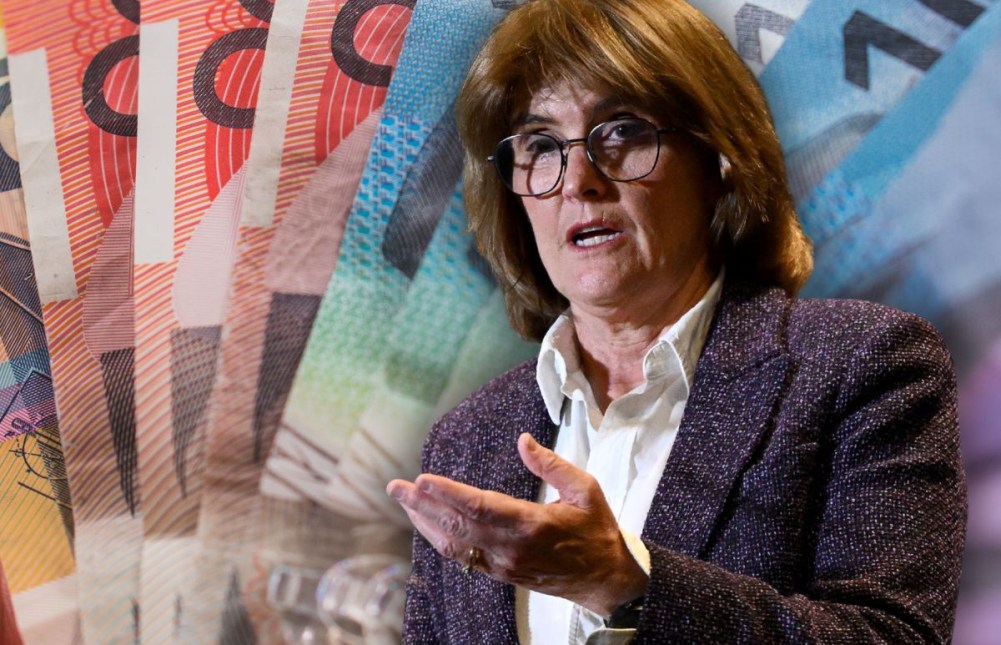
- Reserve Bank governor Michele Bullock received total remuneration of $1,223,465 in the 2026 financial year, according to the central bank’s annual report.
- Deputy governor Andrew Hauser received $955,033, while 24 of the bank’s 76 senior executives took home more than $495,000.
- RBA staff are voting on a 9.5 per cent pay rise over three years, which the Finance Sector Union has labelled a “below-inflation” offer.
Steering the nation’s monetary policy remains one of the most lucrative jobs in Australian public life.
The Reserve Bank of Australia’s annual report, tabled in Parliament on Thursday, showed governor Michele Bullock’s total remuneration was $1,223,465 in the 2026 financial year, made up of a $1,015,012 base salary, $135,636 in superannuation and other benefits and leave entitlements.
Deputy governor Andrew Hauser received $955,033, including $903,217 in base pay, while chief operating officer Susan Woods received $905,543.
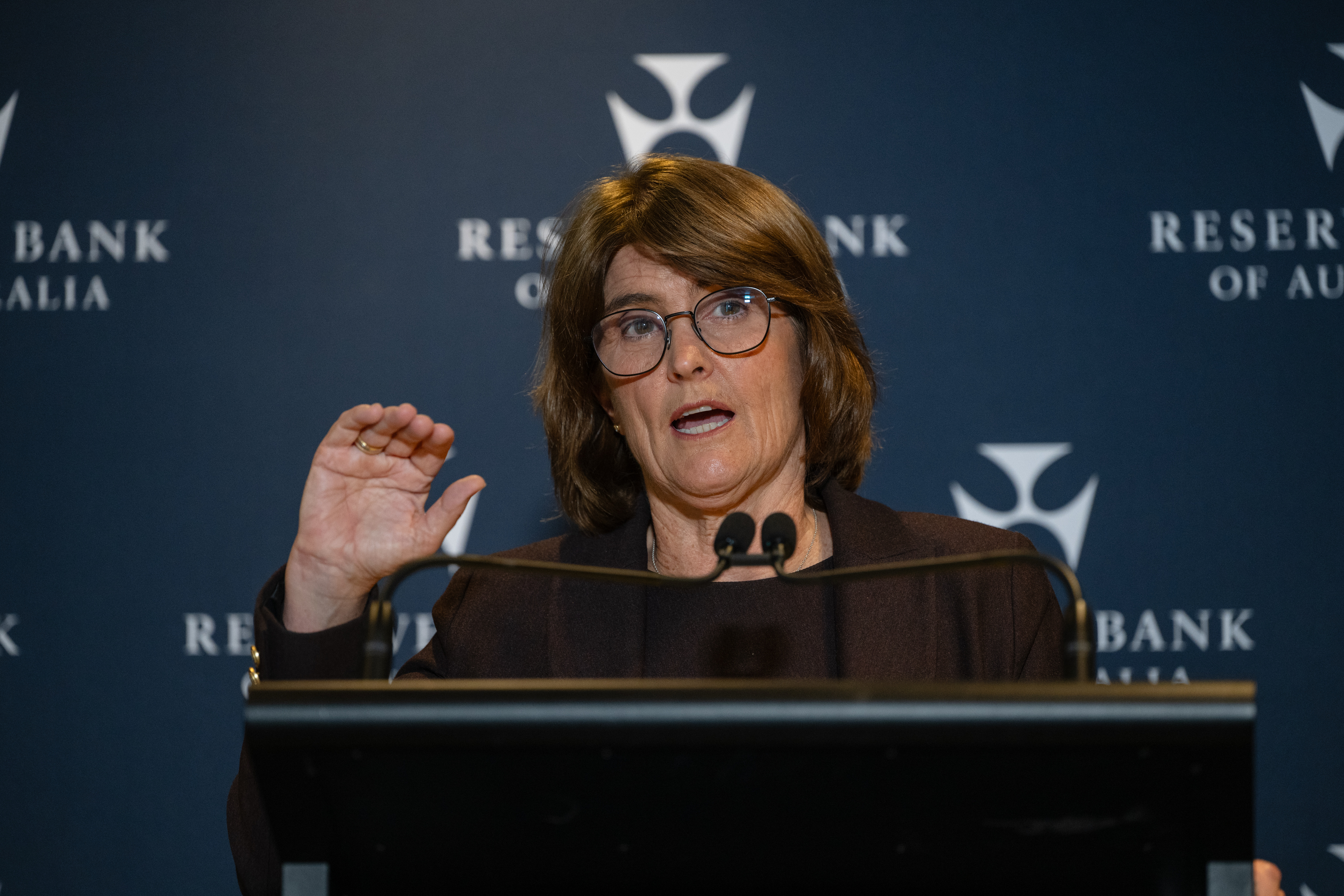
The bank’s four assistant governors each took home between $743,842 and $868,784.
Anthony Malouf, an economist at Ebury, told The Money Edition the governor’s pay sits near the upper end among global central bankers, but said it should be weighed against what the job demands.
“I’d agree it is high in absolute terms, but it is set independently of the Bank and should be judged against the role’s responsibilities,” he said.
“Few roles carry more influence over household and business finances than setting the cash rate.
“Of the G3, the US Fed chair earns a fraction of her package, while the heads of the BoE and ECB are not far behind,” Malouf said.
Further down the ranks, 24 of the RBA’s 76 senior executives took home more than $495,000, with the highest-paid receiving $1,123,600, most of it in benefits and allowances that the bank says can include accommodation costs for staff posted interstate or overseas.
Against the private sector, particularly banking, he said the RBA’s pay was “quite modest”, pointing to Commonwealth Bank chief executive Matt Comyn’s total remuneration of $9.1 million in FY2026.
“I think the real test is whether pay at this level attracts and keeps the calibre of people the job actually requires,” Malouf said.
He cautioned against judging the pay “by the outcome of any single rate decision,” saying a better test is whether the bank, “over a full cycle, keeps inflation anchored, communicates clearly and holds credibility with markets and the public.”
Meanwhile, the bank’s own employees began voting on a new enterprise agreement offering a 9.5 per cent pay rise over three years, the same pay rise a majority of staff voted down in a ballot that closed earlier this year.
The Finance Sector Union (FSU) has called RBA’s proposal a “copy and paste” offer and is urging employees to vote no, before the ballot closes at 5 pm on Monday.
The union says the deal also includes no backpay and does not protect staff’s work-from-home rights, meaning management could order employees back to the office at any time.
The RBA executives’ pay figures land after the authority lifted the cash rate four times this year to 4.60 per cent, as cracks begin to show in the jobs market.
The unemployment rate rose to 4.7 per cent, employment fell by 39,000 in September, and the number of unemployed people rose by 9,000, according to the Australian Bureau of Statistics.
ABS head of labour statistics Sean Crick said “a higher proportion of people remained unemployed compared to recent years,” while underemployment edged up to 6.3 per cent.