 Subscribe

Auto giant Peter Warren sacks 200 workers as competition heats up
Automotive giant Peter Warren is on track to report up to a $11.5 million loss, forcing it to sack hundreds of workers to save costs.

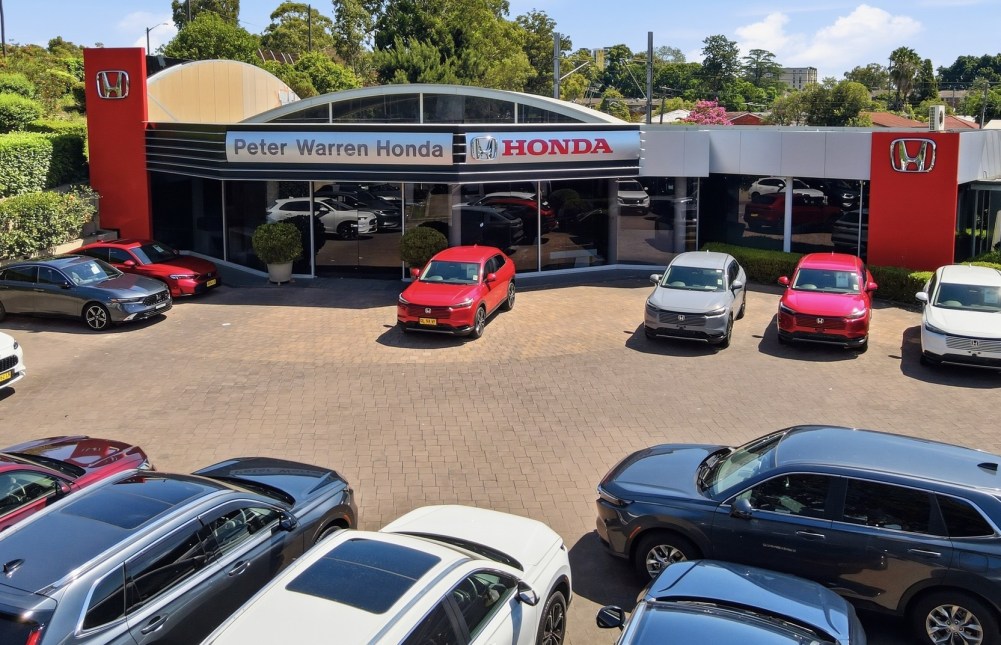
- Automotive giant Peter Warren is cutting 200 jobs and assessing underperforming dealerships as Aussies turn away from marquee brands.
- Peter Warren now anticipates to report a $11.5 million loss for the first half of FY27.
- New vehicle data shows Australians aren’t buying fewer cars, but are spreading their purchases across far more manufacturers than they were a decade ago.
Automotive giant Peter Warren has been forced to cut 200 jobs, aggressively sell cars on its lots and assess underperforming dealerships as Aussies turn to cheaper new cars.
In a trading update to the market, Peter Warren said it had reduced its employee headcount by 10 per cent, or 200 jobs, in October and November to cut expenses.
Citing a “very challenging” market, Peter Warren said it now anticipates to report an underlying loss before tax for the first half of between $9.5 million and $11.5 million.
The dealership giant, which includes more than 100 franchises and over 30 automotive brands across three states, cited the dramatic uptick in new car brands entering the market and high inflation as reasons for the expected loss.
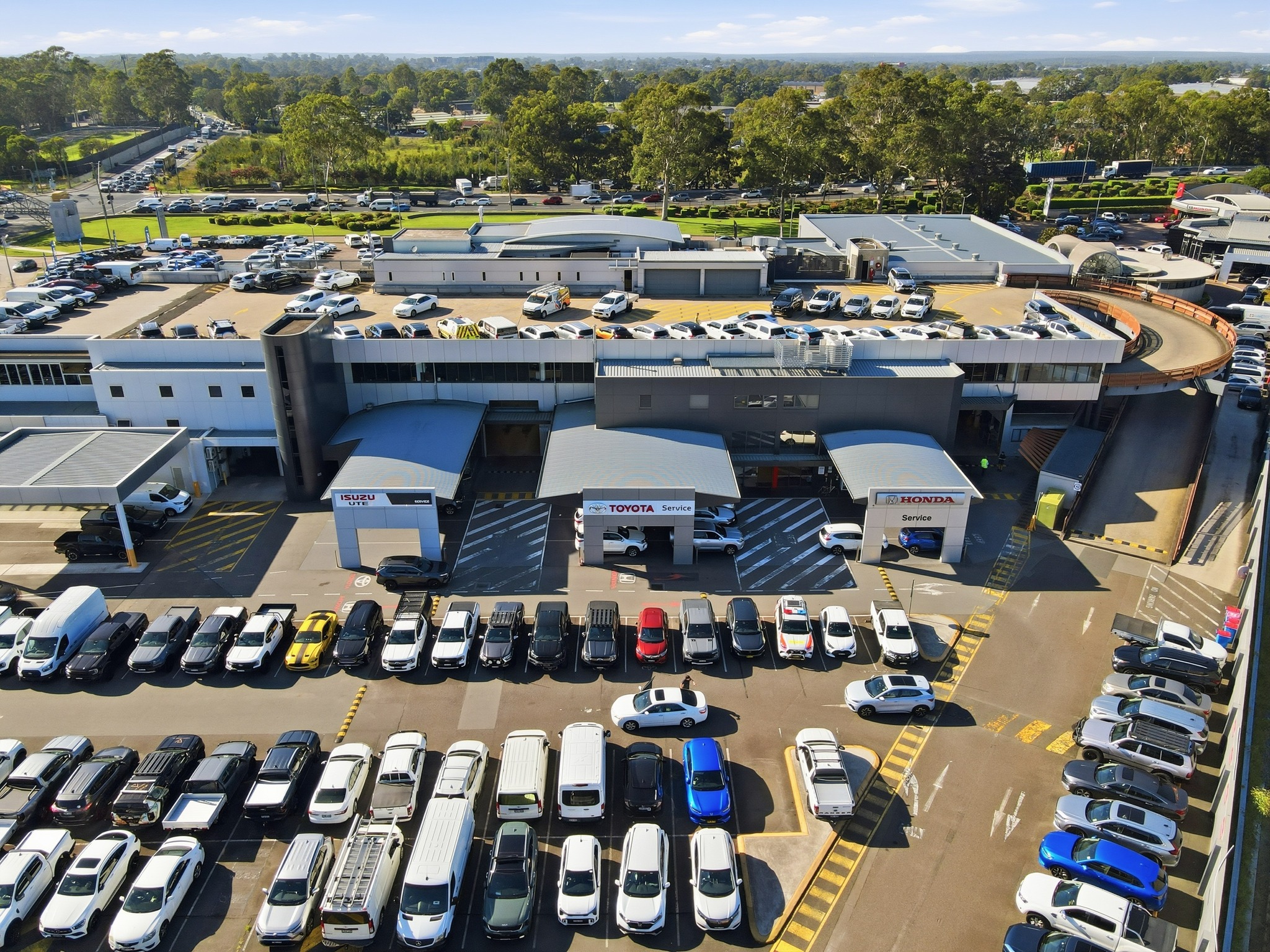
“Dealers are seeing lower gross margins as new OEM entrants rapidly grow market share with ultra-competitive pricing offers, causing established OEMs to respond. This is leading to
over-stocking and mix misalignment,” the board said.
“Secondly, sustained cost-of-living pressures, high fuel pricing, persistent inflation and the impact of the fifth interest rate rise in short succession mean customers are favouring lower value and lower margin cars, rather than higher-margin cars with options.”
Although not directly named in the report, new OEM entrants are likely the influx of Chinese manufacturers offering hybrid and electric vehicles well below the prices of household brands.
Peter Warren said it was reviewing its dealerships to understand where the company was losing revenue.
“A targeted procurement and cost review is expected to reduce annualised non-people and property costs by approximately 5-10 per cent,” the board said.
“Further rationalisation of leaseholds is underway, closing underutilised and underperforming sites, and optimising the representation of new brands on existing premises, and an aggressive clearance of overall inventory is on track to reduce levels by 10 per cent by 31 December 2026.”

Car sales data paints revealing picture
High fuel prices, persistent inflation and the general squeeze on household budgets should be turning Aussies away from new cars altogether, but car sales data paints a different picture.
In October 2026, more than 103,000 new cars were sold, an increase of 3.8 per cent, according to data from the Federal Chamber of Automotive Industries (FCAI).
The data revealed not that Australians were buying fewer cars, but that total spending on new cars was being spread across more manufacturers.
In the top 10 new sales for October, five relatively young brands appeared, including BYD, MG, GWM, Geely and Chery.
“Australia’s open and competitive market has put consumers in the driver’s seat, with more choice across brands, technologies, features and price points,” said FCAI chief executive Tony Weber.
In fact, as fuel prices rose, so too did new vehicle sales — for vehicles that ran on fuels other than diesel or petrol.
Petrol vehicle sales in October were down 35.9 per cent on the same month last year and diesel sales were down 14.7 per cent.
“Consumers are making rational choices and are attracted to options that reduce their costs. Despite continuing pressure on household budgets and higher borrowing costs in 2026, the October result shows there is extraordinary resilience in new vehicle demand,” Weber said.
“This increase in new vehicle demand, especially BEVs, must be supported by reliable and accessible charging infrastructure that keeps pace with demand.”