Study uncovers NSW’s cleanest (and dirtiest) beaches

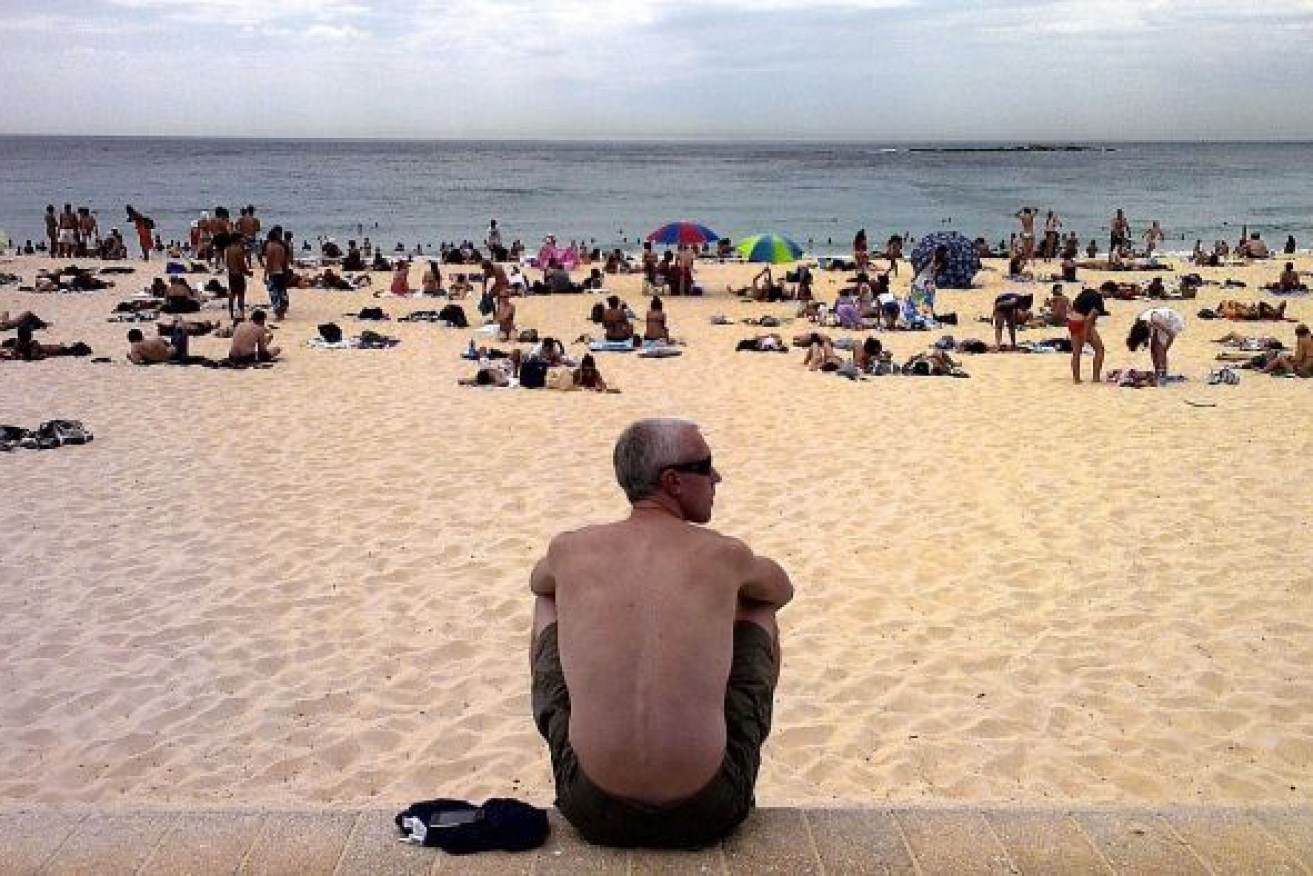
Coogee Beach continues to perform poorly in the annual study – but it has its excuses.
NSW is blessed with seemingly endless beautiful beaches, from city beaches with international fame to quiet sandy patches hidden inside national parks, and everything in between.
But the 2026 State of the Beaches report from the NSW government, which ranks Sydney’s cleanest beaches (and therefore also its dirtiest), has made it clear that, even with beautiful beaches, you really can’t judge a book by its cover.
What is the State of the Beaches report?
The State of the Beaches report provides a long-term assessment of the suitability of 245 sites across NSW for swimming – including beaches and other swimming spots, like lagoons, estuaries and lakes.
Water quality is monitored by the state Department of Climate Change, Energy, the Environment and Water’s Beachwatch Program, and with 16 partners under the Beachwatch Partnership Program. Each spot is graded as very good, good, fair, poor or very poor.
“Good environmental decisions rely on good science,” state Environment Minister Penny Sharpe said.
“Through decades of consistent monitoring, Beachwatch provides the robust data needed to track water quality trends and give swimmers confidence in the information they use.”
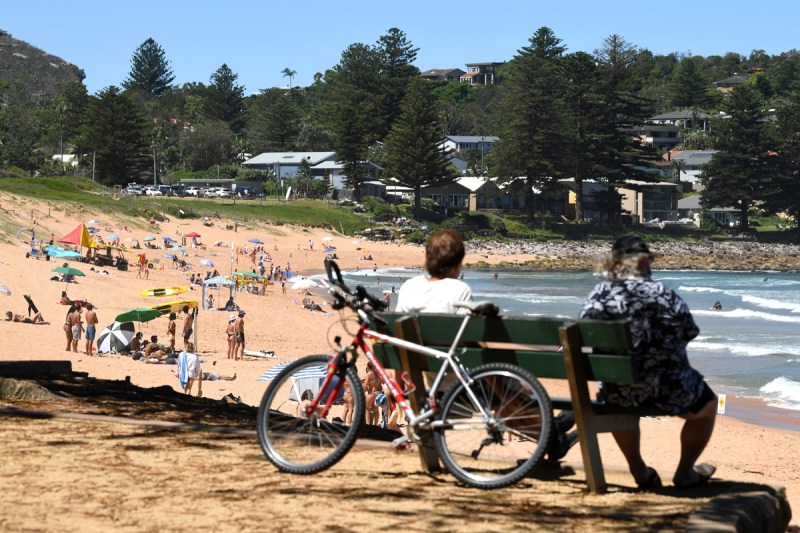
Avalon is officially Sydney’s cleanest beach, according to the latest data. Photo: AAP
NSW’s cleanest beaches
Let’s start with the good news. Of all the beaches and swim spots surveyed across the state, 79 per cent of monitored swim sites and 97 per cent of monitored beaches were graded good or very good, meaning they were suitable for swimming most or almost all of the time.
This was an overall 3 per cent improvement in performance from the previous year. So, phew, headed in the right direction.
The improvement has been chalked up to continued average to below-average rainfall conditions across NSW, and improved microbial water quality (the presence of things like bacteria, viruses and protozoa) at many swim sites.
The report had particularly good news for Sydney’s ocean beaches, increasing from 87 per cent to 97 per cent with a very good or good rating. Even Sydney Harbour improved from 78 per cent to 81 per cent. Avalon Beach was dubbed the cleanest in the city.
A couple of hours away, Birdie Beach, Frazer Beach and Forresters Beach all took out top spots on the Central Coast. On the Hunter, One Mile Beach achieved the highest score. Illawarra’s cleanest beaches were Wollongong City and Shellharbour. And Warrain Beach is the winner for Shoalhaven.
Top eight cleanest coastal beaches in NSW
To ease all of our collective minds, the report shared the state’s top eight cleanest ocean beaches:
- Avalon Beach, Sydney
- Birdie Beach, Central Coast
- Forresters Beach, Central Coast
- Frazer Beach, Central Coast
- One Mile Beach, Hunter
- Warrain Beach, Shoalhaven
- Shellharbour Beach, Illawarra
- Wollongong City Beach, Illawarra
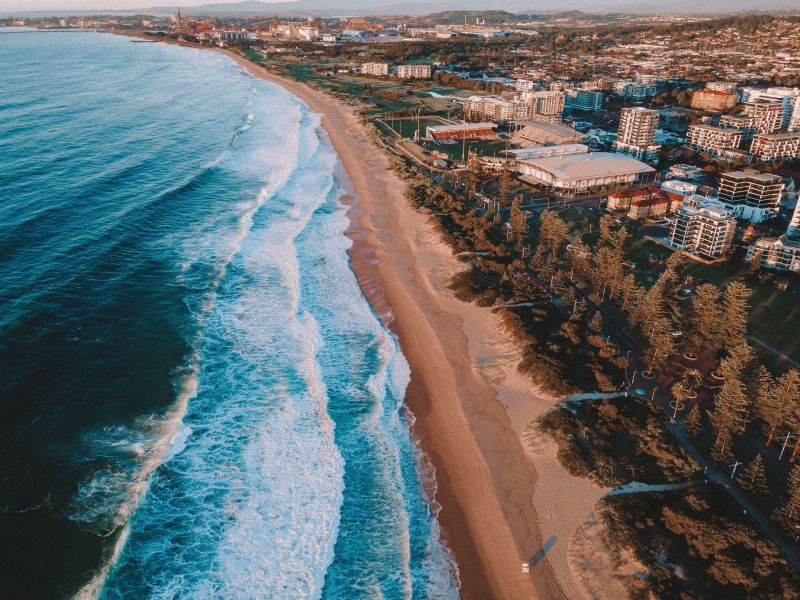
Wollongong City Beach just squeaked into the top eight. Photo: Pexels
NSW’s dirtiest beaches
Many estuarine, lake, lagoon and freshwater swimming sites didn’t perform as well as ocean beaches. To be fair, this is apparently mostly due to being more susceptible to impacts from wet weather conditions. But still, I sure know where I won’t be swimming this summer.
In Sydney, Coogee Beach received a poor grade. It hasn’t had a good rating since 2021 – attributed to the beach being more susceptible to stormwater impact.
“Coogee Beach takes longer to recover from pollution events, such as rainfall, with lower levels of flushing which can increase the time needed for pollution to disperse,” a spokesperson from the Department of Climate Change, Energy, the Environment and Water said.
“Weekly monitoring has shown water quality was mostly suitable for swimming during dry weather conditions; however, elevated bacteria levels were recorded during wet weather and increased following rainfall.
“As a result, water quality at this site may not always be suitable for swimming, and we recommend that potential visitors to the site refer to the Beachwatch water quality forecast for the latest swimming advice.”
Notably, Coogee is one of several beaches in Sydney’s east where so-called “poo balls” have been washing up sporadically. They are believed to have originated at the city’s Malabar treatment plant, a combination of so-called “fatbergs” lining wastewater pipes and then being flushed out during heavy rain.
After rain, maybe stick to the very beautiful coastal walk from Coogee to Bondi?
Elsewhere, Narrabeen Lagoon, Rose Bay Beach, Frenchmans Bay and Yarra Bay also received poor grades.
Three spots made it onto the very poor list: The Blue Mountains’ Minnehaha Falls, and Foreshores Beach and Gymea Bay Baths, both in Sydney.
Feeling nervous? Find all monitored beaches in the State of the Beaches report on the Beachwatch website.
Republished from Australian Traveller