As sun sets on a political year, there’s much going on in the shadows

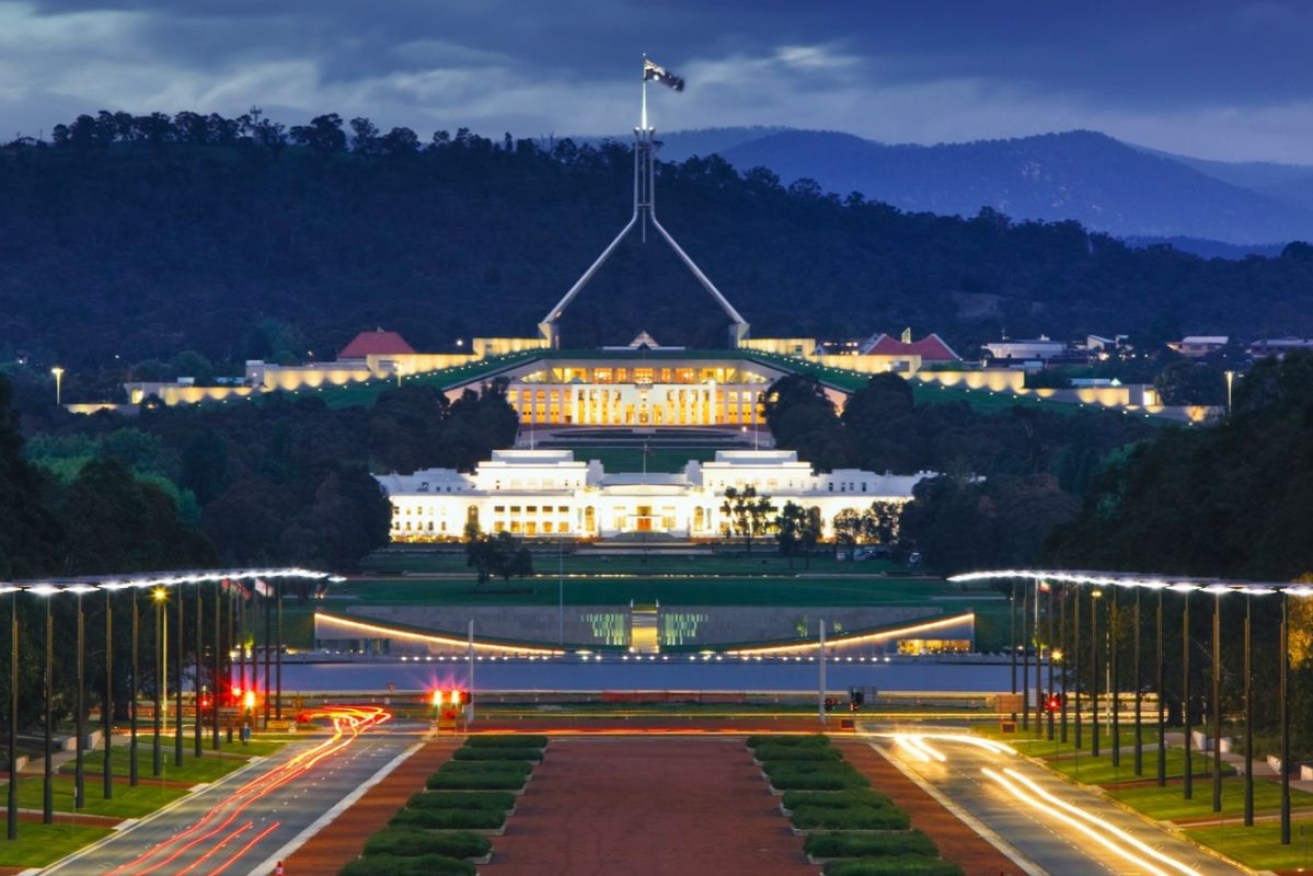
Photo: Unsplash
The parliamentary year is over, but that doesn’t mean the politics stop.
No, it’s just starting to ramp up.
But it is at this point of year where people start talking about winners and losers and the big challenges for the year ahead. That makes sense – Australia has just ticked over onto the other side of this electoral term, and the next year will be all about laying the ground work for the 2028 election.
There are fewer Senate sitting weeks scheduled for next year than last year (just seven in the first half of the year, compared to nine this year), which points to the government wanting to slow down its legislative agenda.
That’s what governments do when they want to focus on the election. The more people see from their politicians, the less they like them – it’s no surprise that Angus Taylor finished the parliamentary year as Newspoll’s preferred prime minister. People have seen very little of Taylor over the past few weeks while Anthony Albanese has been everywhereaJournalists are trained to look for the weaknesses in the political strategy, but over the years, with cuts to newsrooms and resources, those who are trained in spotting weaknesses in policy have been few and far between.
In the absence of political “fights” over legislation, bills can be introduced and passed without barely a mention – most of the bills introduced into the parliament are passed with bipartisan support. It’s only really the contested ones that get the attention.
Which is how the Defence Capability Act slipped through without notice by the mainstream (stick around and you’ll learn they are trying to do it again). No contest between the major parties meant no raised antennas. That goes for the MPs themselves too.
As constitutional expert Anne Twomey told The Briefing podcast this week, it was only after the alarm was raised by experts, independent media and civil liberty advocates that MPs began wondering what they had passed.
You can see that with One Nation’s pivot. It supported the bill in the senate, along with the Coalition. But once the government overreach became known, it tried to rewrite history. David Farley supported Kate Chaney’s motion in the House to delay enacting the bill until it had been properly examined, and Liberal defector Leah Blyth tried to pretend the Coalition’s support for the bill was one of the reasons she switched to One Nation (ending the press conference after she was rightly reminded her new party had also supported the bill).
For those who don’t realise, most MPs are unaware of the bills they are voting on. Members of the major political parties are told by the party whips where to sit for the votes – in some cases, they can enter the chamber not knowing what legislation is being decided.
Speeches are often written by staff based on notes provided by the office of the minister circulating the bill, or their shadow equivalent. Unless the legislation canvasses a particular personal or electoral interest, or potentially offers some career advancement through the party, it’s not unusual for MPs to know nothing more than the talking points provided by another office.
That can work when things are going well – and by well, people aren’t thinking about their government, or parliament and its role in their life. But when things aren’t going well – in times of unrest, economic downturns, or general exhaustion and fear for the future, people expect answers. And “nothing to see here” doesn’t cut it. Especially when trust is already low.
Whether the major parties see it or not, there is a reckoning coming over what politicians are doing when they think no one is looking.
In times when people feel powerless, they pay particular attention to what power is doing.
The next piece of legislation that will test that will come in the new year, with the Australian Criminal Intelligence Commission Bill 2026 (ACIC). This one, at least, has been subjected to some scrutiny. It’s been reviewed, and reviewed again, and amended. The debate is not being rushed – it’s just largely being done without notice, because both parties agree with the general principle that Australia’s security agencies need all the powers necessary to fight organised and modern crime. And in that absence, all sorts of expanded and new powers are being granted.
But without the political fight, Australians might not know that this is another bill that chips away at civil liberties. And much like the Defence Capability Act, which uses the same defence of “we would never do that unless we had to”, you can’t predict what future governments will do with the powers.
This bill allows the questioning of children (a power ASIO now has) with no parent, guardian or lawyer required. There are no time limits for how long a child can be questioned, and no restrictions on what they can be asked about.
It gives power to the attorney-general to issue search warrants (instead of a judge), and those warrants can last for three months, and can be carried out with force. People can be jailed for refusing to open their devices, or for disclosing they have been questioned or an investigation is underway.
Once again, public interest journalism is not a defence. Breaching the non-disclosure clauses carries up to a decade in prison and the secrecy around an investigation can last forever.
The ACIC would be exempt from freedom of information requests. Under this legislation, an investigation or inquiry, or use of the powers can stay secret forever.
It’s another piece of legislation that expands ministerial power above the courts, based not on reasonable evidence but reasonable suspicion, allows for covert executions of those warrants, being near a place being searched can be enough to have you legally searched, and the only test is that it could help with “a matter”.
And while there are added checks and balances from the committee review process, it’s still a broad law, with expanded powers, which can be used in all sorts of ways not necessarily intended by the government passing the law.
These erosions deserve more attention than they receive. The hypernormalisation of the security state means a politician can just say the words “national security” or “organised crime” and feel they have a free pass to do anything. National security and crime and coulds/maybes/possibilies are not enough of a reason to erode civil liberties, cloud the separation of powers and give governments of the day untold power over civilians. Especially when it’s as broad as “a matter”.
But there has been next to no reporting on it. It was mentioned in the parliament again this week – second reading speeches crammed in among other matters of the day – with almost no notice.
It’s at the end of this column for a reason – because the onus is also on the public to be interested enough in their democracy to actually learn about what is happening, even if it’s outside of what has become acceptable in the news cycle.
The political horse race will always dominate. We are primed for drama, and news organisations respond to the desire for conflict.
In a way, it’s also easier – you don’t have to read through hundreds of pages of legislation, or keep track of committees, or scan the Hansard for what you may have missed. We can pick the winners and the losers based on nothing but the politics.
But in missing the policy, in ignoring what those with power are actually doing, it’s all of us who lose. One liberty and assumed right at a time.
Amy Remeikis is a contributing editor for The New Daily and chief political analyst for The Australia Institute
Much hiding in shadows of a darkening political year